When Self-Tanner and Sensitive Skin Actually Get Along
Finding the best self-tanner for sensitive skin is harder than it sounds. Most formulas are loaded with synthetic fragrances, drying alcohols, and ingredients that can leave reactive skin red, itchy, or broken out — before you even get a tan.
The good news: it doesn't have to be that way.
Here are the key things to look for — fast:
| What to Look For | What to Avoid |
|---|---|
| Fragrance-free or low-fragrance formula | Synthetic fragrances |
| DHA + erythrulose blend (gentler color) | Drying alcohols |
| Hydrating base (aloe vera, hyaluronic acid) | Parabens and sulfates |
| Lightweight, quick-drying texture | Heavy, occlusive formulas |
| Minimal ingredient list | Artificial dyes and colors |
Sensitive skin reacts to irritants, not to self-tanning itself. The right formula — one built around gentle actives and soothing ingredients — can give you a natural-looking tan without the drama.
In this guide, we've rounded up the gentlest self-tanning options available in 2026, with a close look at what makes each one work (or not) for reactive skin.
I'm Emmy Bre, founder of 3VERYBODY — I spent a decade testing nearly every self-tanner on the market before building a formula I'd actually trust on sensitive skin, and finding the best self-tanner for sensitive skin became the core of everything I created. If you want to skip straight to what works, keep reading.
Why Reactive Skin Rebels Against Traditional Bronzers
If you have reactive skin, you know the cycle. You apply a sunless tanner hoping for a healthy-looking warmth, and instead, you wake up with itchy patches, bumps, or dry flakes.
This happens because the skin barrier in sensitive skin is naturally more delicate. When you apply standard products, several common triggers can disrupt that barrier:
- Synthetic Fragrances: Fragrance is one of the top causes of cosmetic contact dermatitis. Many brands use heavy synthetic perfumes to mask the natural scent of dihydroxyacetone (DHA). For reactive skin, these perfumes lead directly to redness and stinging.
- Drying Alcohols: Many quick-drying formulas rely on denatured alcohol. While it makes the product dry down fast, it also strips your skin of its natural oils, leaving it tight and irritated.
- Harsh Aerosol Propellants: Spray-can tanners often contain chemical propellants that can irritate both your skin and your airways.
According to Dermatologist insights on skin reactions, sunless tanning is a much safer alternative to UV exposure, but the formulas you choose matter. When the skin barrier is compromised, it cannot hold onto moisture. This causes the self-tanner to cling to dry patches, leading to an uneven, patchy fade. For a deeper dive into why your skin reacts, check out our Self Tanner Sensitive Skin Guide.
Finding the Best Self-Tanner for Sensitive Skin
To find a formula that keeps your skin happy, you need to understand the active ingredients that create the tan.
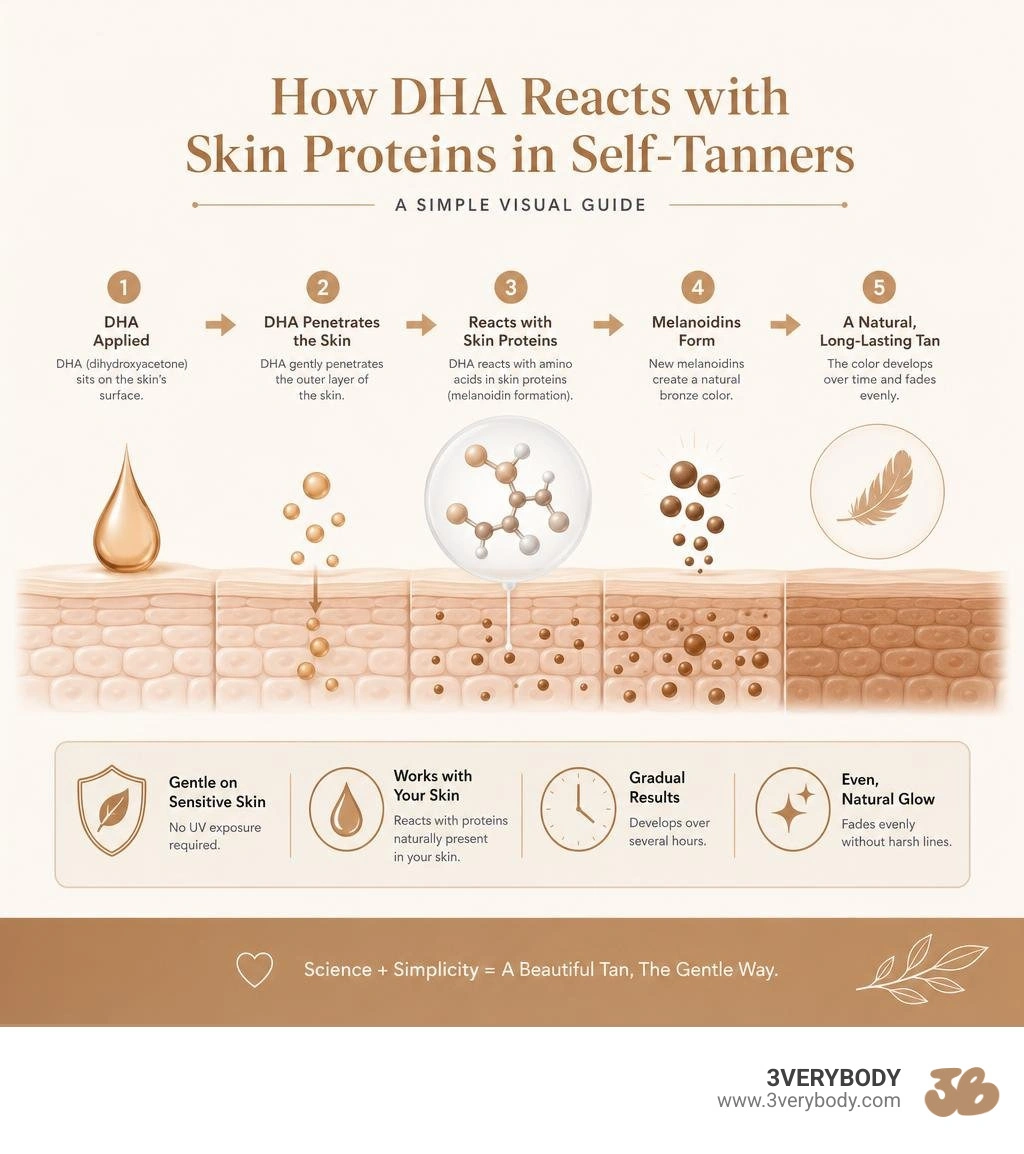
Sunless tanners rely on plant-derived sugars that react with the amino acids in the dead cell layer of your skin. The two primary active ingredients used are Dihydroxyacetone (DHA) and Erythrulose.
According to the Dermatologist Recommended Self Tanner Dihydroxyacetone Dha Safety Tips, naturally derived DHA is generally safe, but it can be drying. Combining it with erythrulose helps balance the formula. Erythrulose takes longer to develop, which creates a more gradual, natural-looking color that fades evenly.
Using a Fragrance Free Self Tanner is the easiest way to prevent irritation. Let's look at how the two main tanning actives compare:
| Feature | Dihydroxyacetone (DHA) | Erythrulose |
|---|---|---|
| Source | Sugar beets or sugar cane | Red raspberries |
| Development Time | Fast (typically 4 to 8 hours) | Slow (typically 24 to 48 hours) |
| Color Tone | Golden bronze | Soft, warm undertone |
| Longevity | Medium (fades in 3 to 5 days) | Long (helps extend the tan to 7 days) |
| Skin Feel | Can feel slightly drying | Hydrating and gentle |
What to Look For in the Best Self-Tanner for Sensitive Skin
When shopping for the best self-tanner for sensitive skin, look for formulas that prioritize skin health. Your self-tanner should double as supportive skincare.
- Soothed and Hydrated Bases: Instead of simple water or alcohol, look for a Natural Sunless Tanner built with hydrating bases like aloe vera, coconut water, or rosehip oil. These ingredients help offset the naturally drying effects of DHA.
- Minimalist Ingredient Lists: The fewer ingredients in a bottle, the fewer chances your skin has to react.
- Dermatologist-Tested Labels: A certified Hypoallergenic Self Tan provides peace of mind that the formula has been vetted for common allergens.
Ingredients to Avoid in the Best Self-Tanner for Sensitive Skin
To keep your skin calm, scan the ingredient list and actively avoid these common irritants:
- Parabens and Sulfates: These preservatives and cleansing agents can strip the skin barrier and trigger contact allergies.
- Synthetic Dyes: Artificial color guides (the dark tint in many traditional formulas) are often made from coal-tar derivatives that can be more likely to irritate sensitive skin.
- Heavy Oils in Facial Tanners: If you are prone to breakouts, look for a Non Comedogenic Self Tanner designed to support clearer-looking skin. Heavy creams may feel heavier, take longer to dry, or be more likely to transfer. For more tips on facial tanning, read our guide on Self Tanner For Acne.
How to Prep and Apply Sunless Tan on Reactive Skin
With sensitive skin, your preparation steps are just as important as the product you choose. Proper prep helps prevent the self-tanner from clinging to dry, irritated areas.
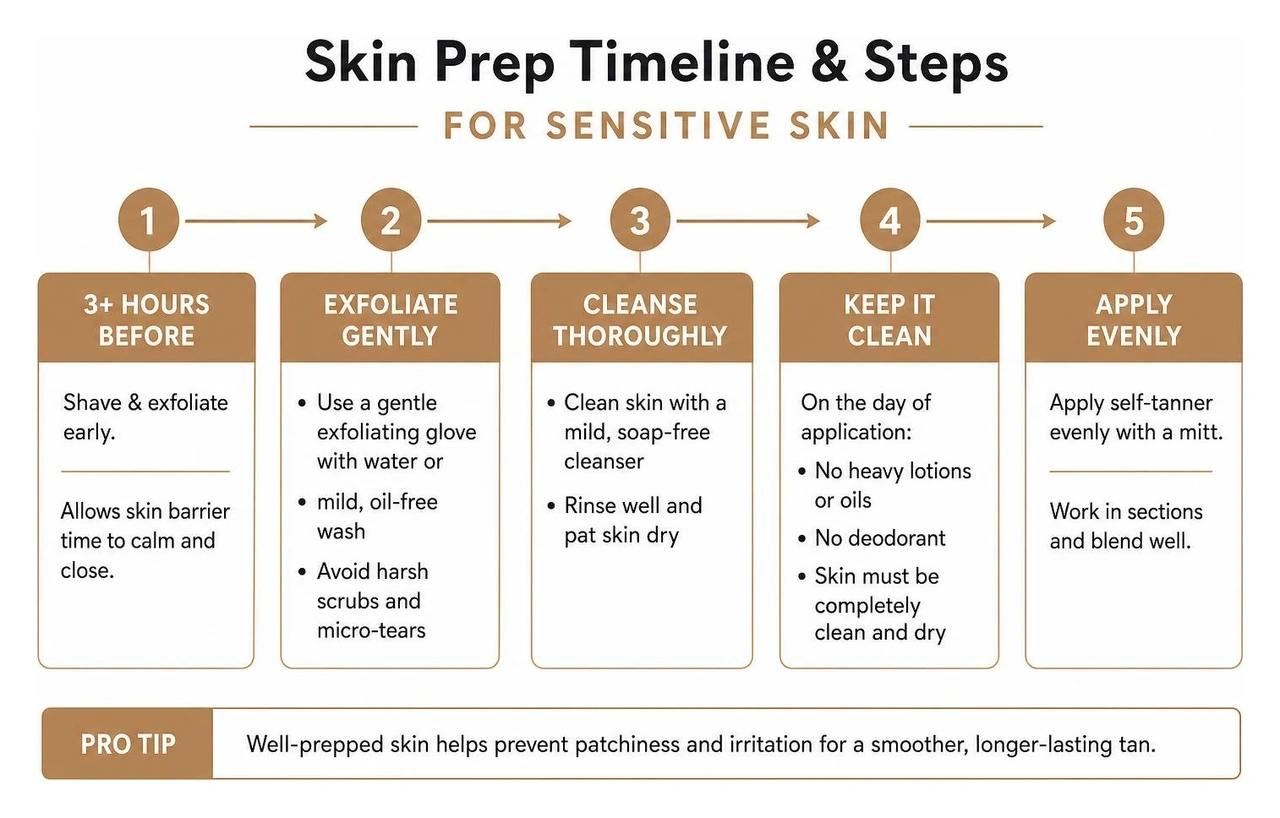
For a smooth, irritation-free application, follow these guidelines:
- Time Your Prep: Do your shaving and exfoliating at least 3 hours before you plan to tan. This gives your skin barrier time to calm down and close up. For a complete routine, read our guide on How To Prep Skin.
- Exfoliate Gently: Avoid harsh physical scrubs that can cause micro-tears in sensitive skin. Instead, use a gentle exfoliating glove with water or a mild, oil-free wash. Learn more about safe exfoliation in our guide Exfoliate Before Self Tan.
- Keep It Clean: Ensure your skin is completely clean and dry. Skip heavy lotions, oils, or deodorants on the day of application, as these can block the tanner from absorbing evenly.
Step-by-Step Application Tips
Applying your sunless tanner with the right tools helps prevent streaks and minimizes skin friction.
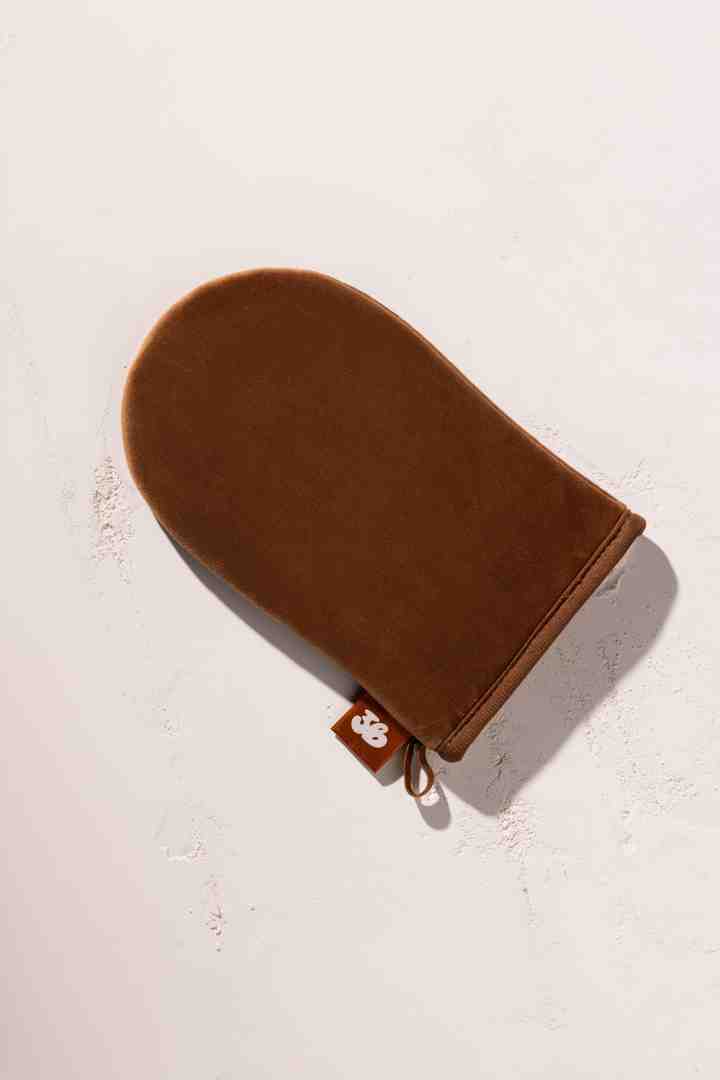
- Use The Mitt: Always use a double-sided, soft mitt like The Mitt. It keeps your palms clean and helps distribute the product evenly without dragging on sensitive skin.
- Work in Sections: Apply your tanner in long, sweeping motions, finishing with gentle circles. Start at your ankles and work your way up.
- Blend the Dry Spots: Save dry areas like knees, elbows, and ankles for last. Use only the residual product left on The Mitt to lightly sweep over these spots. For detailed advice, see our Self Tanner Application Tips and our Dry Skin Self Tanner Guide.
Frequently Asked Questions About Sensitive Skin Tanning
Can you use self-tanner on eczema or acne-prone skin?
Yes, but you must be careful. Do not apply self-tanner to open cuts, active eczema flares, or highly irritated skin.
According to Dermatologist research on eczema and cosmetics, a compromised skin barrier is highly susceptible to contact allergens. Stick to water-light, fragrance-free formulas, and always prioritize healing your skin barrier before attempting to tan.
How do you patch test a self-tanner?
Before applying any new product to your entire body, always perform a patch test:
- Apply a small pea-sized amount of the self-tanner to a discreet area, like your inner arm or behind your ear.
- Leave it on for 24 hours.
- Check the area for any redness, itching, swelling, or bumps. If your skin remains calm, you are ready for a full application. For more safety advice, check out the Safe Self Tanner Guide 2026.
How long do gentle self-tanners last and how do they fade?
A gentle self-tanner formulated with hydrating ingredients typically lasts about 5 to 7 days. Because sensitive skin formulas focus on keeping the skin hydrated, they support a gradual, even fade as your skin cells naturally shed. For more on what to expect, read our guide on the Best For Sensitive Skin.
Conclusion
You don't have to choose between a beautiful tan and calm, happy skin. By choosing clean, hydrating ingredients and avoiding synthetic fragrances and drying alcohols, you can easily get an even tan without the irritation.
At 3VERYBODY, we designed our vegan, cruelty-free formulas specifically with sensitive skin in mind. We don't make heavy, sticky formulas. Instead, we focus on water-light, quick-drying formulas that feel like wearing nothing at all:
- Life Proof Tan: Our sweat-resistant, transfer-resistant Tinted Tanning Water is enriched with nourishing argan oil and cucumber oil to support your skin barrier.
- Tanning Drops: Perfect for a customizable tan, these lightweight drops feature rosehip oil and cucumber extract to keep your skin feeling hydrated.
- The Mitt & The Kit: Pairing The Mitt with The Kit makes it easy to achieve a streak-free, salon-quality finish at home.
Ready to experience a comfortable, irritation-free tan? Explore our gentle, skin-first formulas on our Self Tan Sensitive Skin page and find your new go-to routine today.