The Best for Sensitive Skin: What Actually Works (Without the Irritation)
If you're looking for the best for sensitive skin, here's the short answer:
| Category | Top Pick Traits |
|---|---|
| Cleanser | Fragrance-free, soap-free, non-lathering |
| Moisturizer | Ceramides, hyaluronic acid, 48-hour hydration |
| Sunscreen | Mineral-based (zinc oxide or titanium dioxide) |
| Serum | Niacinamide, centella asiatica, colloidal oatmeal |
| Self-tanner | Water-light, fragrance-free, argan oil, no parabens |
The basics: choose short ingredient lists, avoid synthetic fragrance and strong acids, and always patch test first.
Sensitive skin is incredibly common. Research suggests it affects at least 60% of women and 50% of men to some degree. That tight, stinging, or red feeling after trying a new product? You're not imagining it — and you're definitely not alone.
The tricky part isn't just finding gentle products. It's knowing which ingredients actually calm reactive skin versus which ones quietly make things worse. This guide cuts through that confusion with straightforward picks across every category — including self-tanning, because glowing skin shouldn't be off-limits just because yours runs sensitive.
I'm Emmy Bre, founder of 3VERYBODY and someone who spent years testing formulas on my own reactive skin before building a self-tanning brand specifically designed to be the best for sensitive skin without compromising on results. Everything I recommend here comes from real experience — no filler, no fluff.

Common best for sensitive skin vocab:
- Dermatologist recommended self tanner dihydroxyacetone DHA safety tips
- best self tanning drops 2026
- breastfeeding safe self tanner
Understanding Your Skin: Symptoms and Triggers
Identifying sensitive skin isn't always as simple as a visible rash. For many of us, it is a subjective feeling - a "prickling" or "burning" that happens when we apply a product that everyone else seems to love. Sensitive skin is characterized by a lower tolerance to cosmetic ingredients, often resulting from an "aggressed epidermis" where the protective barrier is compromised. If you want a quick overview of how dermatologists define and manage it, the American Academy of Dermatology's guide to sensitive skin is a solid external resource.
Common Symptoms
The symptoms can range from mild discomfort to visible flares. Look out for:
- Redness: Often appearing after exfoliating or using products with heavy fragrance.
- Stinging and Burning: A common reaction to alcohol-based toners or harsh acids.
- Tightness: Especially after cleansing, which usually indicates your face wash is stripping your natural oils.
- Dryness and Scaling: A sign that your skin barrier is compromised and cannot retain moisture.
What Triggers It?
Sensitivity can be genetic, but it's often triggered by external factors. Climate variations - like extreme cold or indoor heating - can zap moisture from the skin. Hormonal changes and stress also play a huge role in how reactive our skin becomes.
For many, sensitivity is tied to underlying conditions like rosacea, eczema, or contact dermatitis. If you're dealing with specific conditions, you might wonder if you can even use beauty products like self-tanner. The answer is yes, but you need to be selective. For example, if you have eczema, you'll want to check out what-is-the-best-self-tanner-for-sensitive-or-eczema-prone-skin to find formulas that won't aggravate your flare-ups.
The Best Ingredients for Sensitive Skin
When shopping for the best for sensitive skin products, the ingredient list is your roadmap. We always say "less is more." A shorter list means fewer opportunities for a reaction.
The Barrier Builders
- Ceramides: These are lipids naturally found in the skin. They act like the "mortar" between your skin cell "bricks." Ceramide levels naturally decline with age, so replenishing them helps repair the skin barrier and lock in moisture.
- Hyaluronic Acid: A powerhouse that draws moisture from the environment into your skin. Some high-quality formulas can deliver up to 72 hours of deep hydration.
- Squalane: A lightweight oil that mimics your skin's natural sebum, making it highly absorbable and non-greasy.
The Soothers
- Aloe Vera: Composed of more than 95% water, it’s a classic for a reason. It cools and hydrates on contact.
- Colloidal Oatmeal: This is an FDA-designated skin protectant. It’s a hero for soothing itching and irritation caused by dryness or eczema.
- Centella Asiatica (Cica): Often found in "cica creams," this botanical helps calm inflammation and supports skin healing.
- Jojoba Oil: Native to the American Southwest, jojoba oil is lighter and more easily absorbed than many other face oils, making it a great pick for those who need moisture without the "heavy" feel.
The Brighteners
- Niacinamide (Vitamin B3): This is one of the few "active" ingredients that sensitive skin usually tolerates well. It helps strengthen the barrier and reduces the appearance of redness.
Always prioritize fragrance-free-self-tanner and skincare. Synthetic fragrances are one of the top causes of contact dermatitis and skin irritation.
Building a Gentle Routine: Best for Sensitive Skin Products
A sensitive skin routine should be about protection and restoration, not "fixing" or "scrubbing." Here is how to structure your daily habits.
The Daily Steps
- Cleanse: Use a soap-free, non-lathering cleanser.
- Tone: Use an alcohol-free, pH-balancing toner (or skip this if your skin is extra reactive).
- Treat: Apply a soothing serum with niacinamide or hyaluronic acid.
- Moisturize: Use a barrier-repairing cream.
- Protect: Apply a mineral sunscreen every single morning.
Gel vs. Cream: Which is Right for You?
| Feature | Gel Moisturizer | Cream Moisturizer |
|---|---|---|
| Texture | Lightweight, water-like | Rich, buttery |
| Best For | Oily/Combination sensitive skin | Dry/Very dry sensitive skin |
| Absorption | Instant, no residue | Slow, deep nourishment |
| Key Benefit | Cooling and refreshing | Barrier reinforcement |
The Golden Rule: Patch Testing
Never skip the patch test. Apply a small amount of a new product to a discreet area, like behind the ear or the inside of your elbow. Wait 24 to 48 hours to see if any redness, itching, or stinging occurs before applying it to your entire face.
Sun Protection
For sensitive types, mineral sunscreens are the gold standard. Look for zinc oxide or titanium dioxide. Unlike chemical filters that absorb into the skin and can cause heat-related irritation, mineral filters sit on top and reflect UV rays. Look for a daily moisturizer that provides 48-hour hydration while remaining incredibly gentle.
Choose brands that are clinically tested to defend against the five signs of skin sensitivity: dryness, irritation, roughness, tightness, and a weakened skin barrier.
Best for Sensitive Skin Cleansers
Your cleanser should never leave your skin feeling "squeaky clean." That feeling actually means you've stripped your moisture barrier.
- Micellar Water: A great no-rinse option for removing makeup without rubbing.
- Non-Lathering Formulas: These use gentle surfactants that don't disrupt your skin's pH.
- Exfoliation: Be careful here. Avoid harsh physical scrubs. If you have acne-prone sensitive skin, read our guide on exfoliator-for-acne-skin to learn how to smooth your skin without causing a flare-up.
Best for Sensitive Skin Moisturizers
The best for sensitive skin moisturizers focus on "sealing" the skin.
- Barrier Repair: Look for the National Eczema Association Seal of Acceptance.
- Shea Butter and Glycerin: These provide deep, long-lasting nourishment.
- The Daily Calm: High-quality lightweight moisturizers use lipid-reinforcing blends to support the skin's natural defenses.
Glow Without the Irritation: Best for Sensitive Skin Self-Tanning
For a long time, self-tanning was a nightmare for sensitive skin. Traditional tanning formulas are often loaded with alcohol to make them dry faster and synthetic fragrances to hide the "DHA smell." This is a recipe for itching and breakouts.
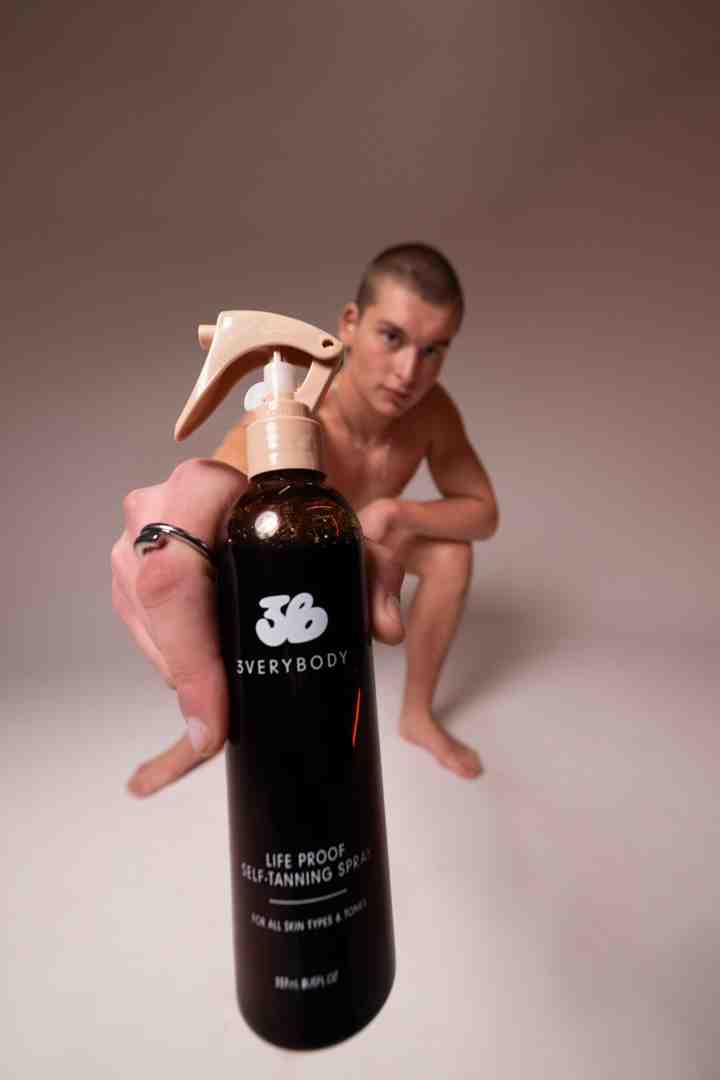
At 3VERYBODY, we did things differently. We knew that a water-light, tinted formula would be the best for sensitive skin because it blends cleaner and dries faster without the need for harsh drying agents.
Why Tinted Tanning Water?
Our Life Proof Tan is a Tinted Tanning Water. It’s a thinner, water-light layer that doesn't sit heavy on the skin. It’s sweat-resistant, transfer-resistant (safe for your white sheets!), and dries in minutes.
- Argan Oil & Cucumber Oil: These provide a hit of hydration while you tan.
- Caffeine & Guarana: These help firm the skin’s appearance.
- No "Nasty" Ingredients: Our formulas are vegan, cruelty-free, and free from parabens and sulfates.
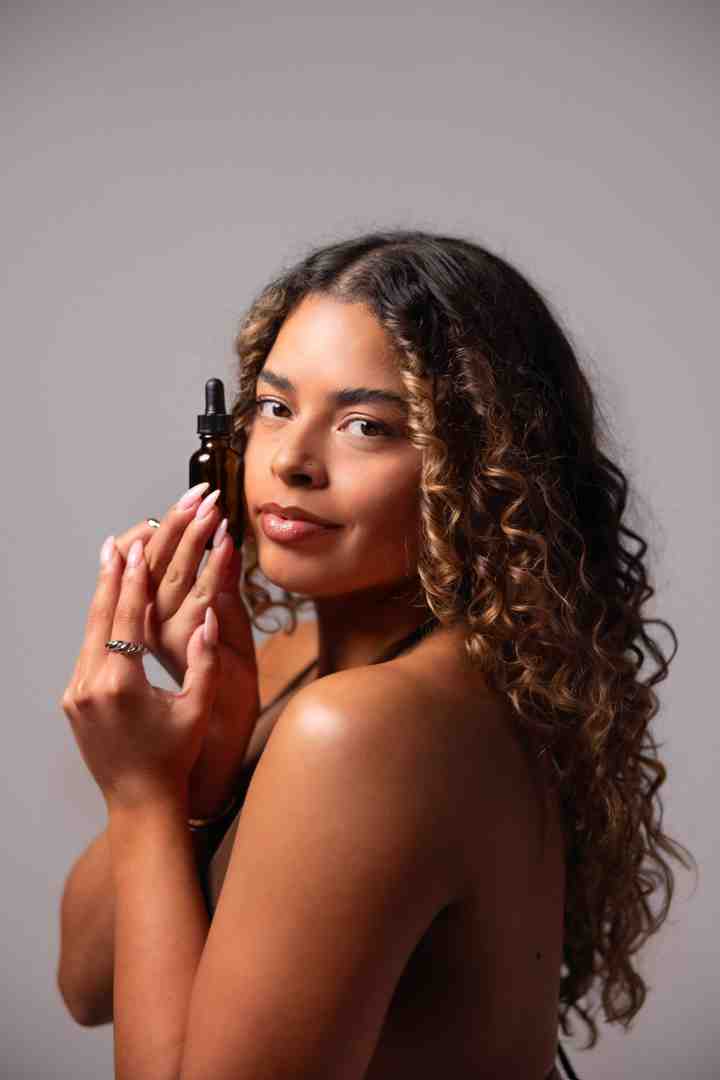
If you prefer a customizable approach, our Tanning Drops are enriched with rosehip oil and cucumber extract. You simply mix them into your favorite sensitive-safe moisturizer. This allows you to control the depth of your glow while using a base you already know your skin loves.
The 3VERYBODY Method for Sensitive Skin
- Prepare: Use our non-comedogenic-self-tanner if you are prone to breakouts.
- Apply: Spritz the Tinted Tanning Water onto our double-sided, washable Tanning Mitt.
- Blend: Smooth in long strokes. The mitt ensures even control so you don't have to rub your skin harshly.
- Acne Care: If you struggle with facial sensitivity and breakouts, check out our tips for self-tanner-for-acne.
- Rinse: Do a quick lukewarm rinse after your tan has developed. Avoid hot water, which can irritate sensitive skin.
Using a hypoallergenic-self-tan means you can finally get that vacation glow without the "day-after" itch. Our 3VERYBODY Kit includes everything you need for a salon-quality result at home, and yes—we are creator-approved (even HopeScope is a fan!).
Frequently Asked Questions about Sensitive Skin
How do I know if I have sensitive skin?
You likely have sensitive skin if you frequently experience redness, itching, or burning in response to skincare products, weather changes, or stress. If your skin feels tight after washing or you often react to new detergents or perfumes, those are classic signs.
What ingredients should I avoid if my skin is reactive?
Stay away from:
- Synthetic Fragrances: The #1 cause of reactions.
- Alcohol (SD or Denatured): Extremely drying and irritating.
- Harsh Sulfates (SLS/SLES): These strip the skin barrier.
- High-strength Acids: Be very cautious with glycolic or salicylic acids; opt for lower concentrations or PHAs (Polyhydroxy Acids) instead.
How do I properly patch test a new product?
Apply a dime-sized amount of the product to the inner arm or behind the ear. Leave it for 24 hours. If you see no redness, bumps, or itching, try it on a small patch of your face (like the jawline) for another 24 hours. If all is clear, you’re good to go!
Conclusion
Caring for sensitive skin doesn't mean you have to miss out on the best beauty trends. It just means you have to be the "expert" of your own ingredient labels. By focusing on barrier-repairing ingredients like ceramides and hyaluronic acid, and opting for water-light, fragrance-free formulas like our 3VERYBODY Tinted Tanning Water, you can have a calm complexion and a flawless glow.
We built 3VERYBODY to be inclusivity-first. Whether you have very fair skin that turns red at the sight of the sun or deep skin that needs a boost of radiance without the ashiness, our products are designed for you.
For a deeper dive into managing your glow, read our full self-tanner-sensitive-skin-guide or Visit our FAQs for more skin tips.
Stay glowing, stay calm, and remember: your skin is unique—treat it with the kindness it deserves!