Are There Any Safe Self-Tanners? Here's What You Need to Know
Are there any safe self tanners? Yes — and the short answer is worth reading before anything else.
Quick answer for anyone in a hurry:
| Self-Tanner Type | Safe? | Key Consideration |
|---|---|---|
| Topical lotion, water, or drops | Yes, for most people | Choose clean formulas free from parabens, sulfates, and drying alcohols |
| Spray tan (salon booth) | Use caution | Inhalation of DHA mist is a real risk; FDA approves DHA for external use only |
| Tanning pills/accelerators | No | Not FDA-approved; linked to serious health risks |
| Tanning beds | No | Increase melanoma risk by up to 75% before age 35 |
The safest options are topical, water-light formulas applied at home — especially those free from harsh chemicals and built with skin-loving ingredients.
Every summer, millions of people face the same dilemma: they want that warm, sun-kissed glow, but they know the real cost of UV exposure — premature aging, sunburn, and a dramatically higher risk of skin cancer. Tanning beds are even worse. And yet, the self-tanner aisle can feel overwhelming and confusing, full of products with long ingredient lists and a reputation for orange streaks and sticky finishes.
Here's the honest truth: not all self-tanners are created equal. Some contain ingredients worth avoiding. Others are genuinely clean, skin-loving, and safe for everyday use. The key is knowing what to look for — and what to skip.
I'm Emmy Bre, founder of 3VERYBODY, and after a decade of testing nearly every self-tanner on the market — and watching both my mom and grandma battle skin cancer — I made it my mission to find out whether there are any safe self tanners that actually work on every skin tone without compromising your health. This guide shares everything I learned, backed by dermatologist insights and real ingredient science.
Are there any safe self tanners terms explained:
- Dermatologist recommended self tanner dihydroxyacetone DHA safety tips
- best for sensitive skin
- best self tanning drops 2026
How Sunless Tanning Works: The Science of DHA and Erythrulose
To understand if there are any safe self tanners, we first have to look at the "magic" behind the glow. Most sunless tanners rely on a sugar-based active ingredient called Dihydroxyacetone (DHA). When you apply it, DHA reacts with the amino acids in the dead skin cells on your skin's surface. This is known as the Maillard reaction—the same scientific process that causes an apple to turn brown or bread to toast.
Some high-end formulas also include Erythrulose, a natural sugar derived from raspberries. While DHA provides a quick color boost, Erythrulose develops more slowly, leading to a longer-lasting, more natural-looking tan that fades evenly.
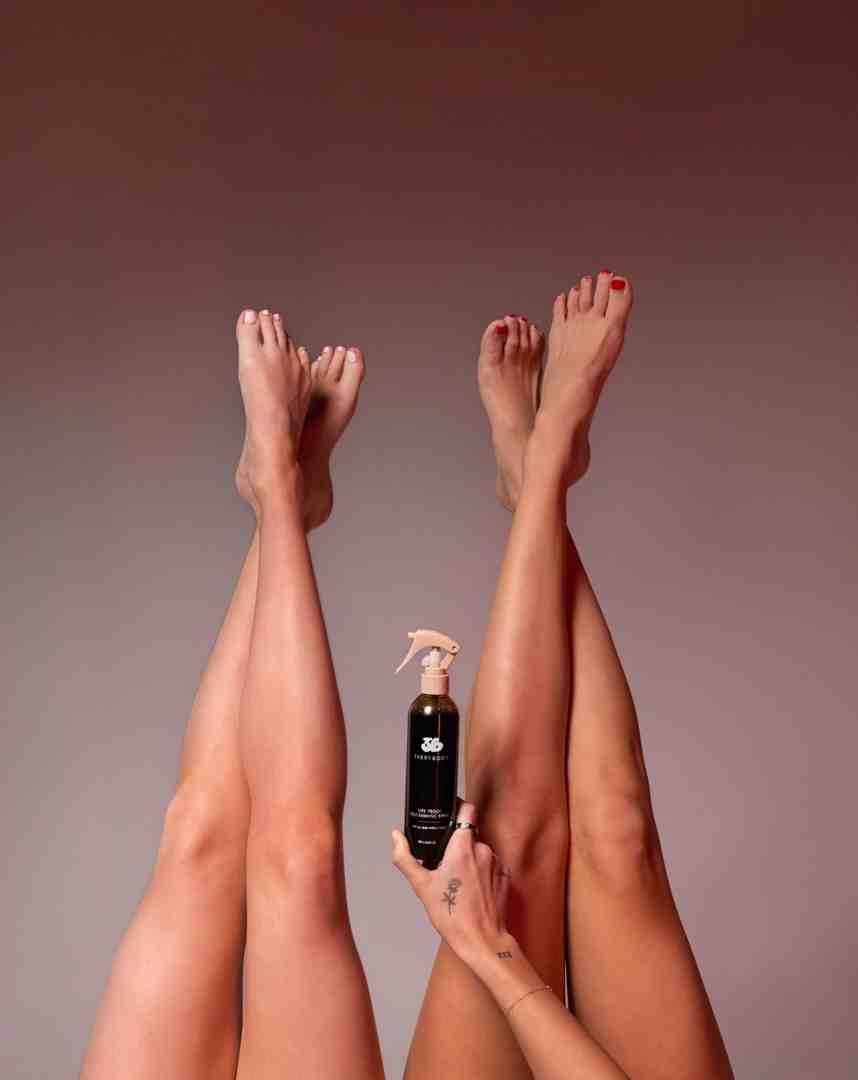
At 3VERYBODY, we’ve found that the delivery system matters just as much as the active ingredients. Traditional mousses and foams often use heavy thickeners and gases to create that "fluffy" texture, which can sit on top of the skin and feel sticky. We chose a water-light, tinted tanning water formula because it blends cleaner, dries in seconds, and allows the DHA to interact with the skin more uniformly. It’s the difference between painting with a heavy oil and a light watercolor—the result is more natural and much more comfortable to wear.
For a deeper dive into the mechanics, check out these Pros and Cons of Self Tanners and Sunless Tanning Products.
Are there any safe self tanners compared to UV exposure?
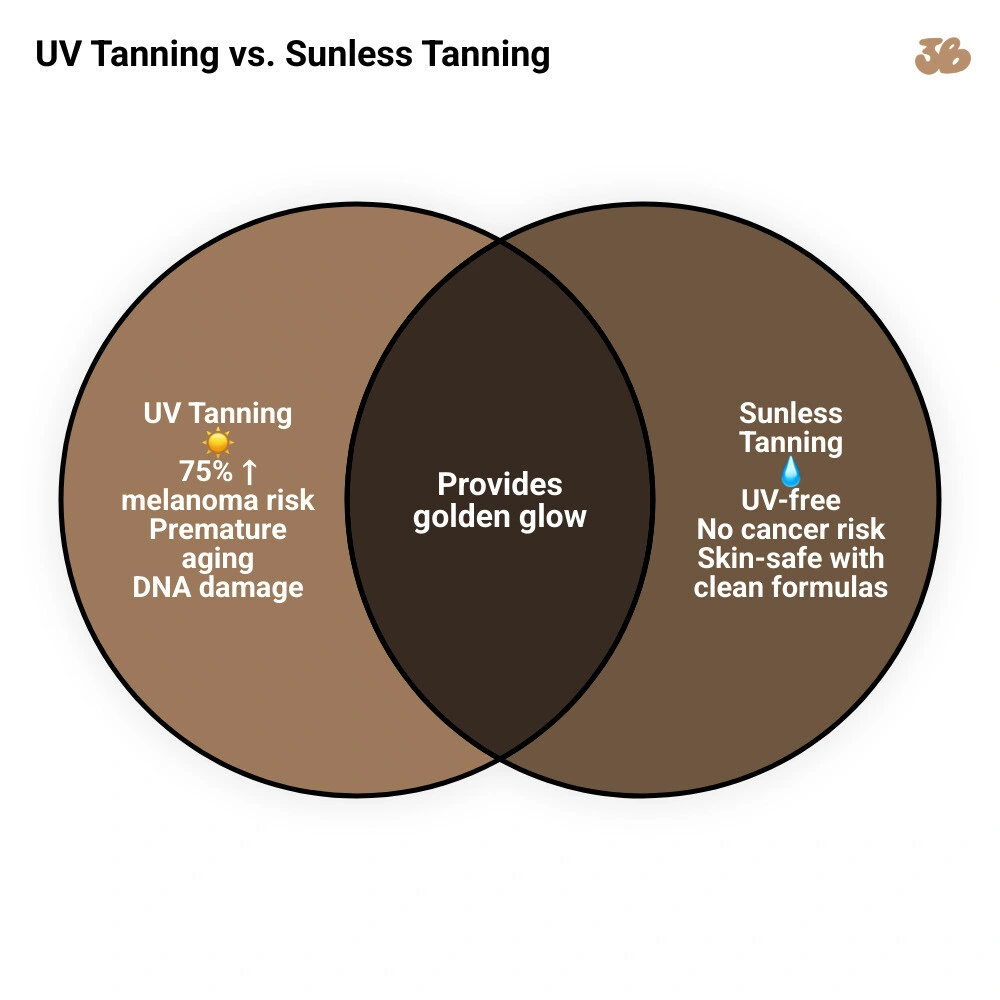
If you’re comparing sunless tanning to laying out in the sun or using a tanning bed, the safety profile isn't even close. The statistics are sobering: using tanning beds before the age of 35 can increase your risk of melanoma—the deadliest form of skin cancer—by up to 75%. Even occasional indoor tanning increases your melanoma risk by 20%.
UV rays don't just increase cancer risk; they also accelerate premature aging by breaking down collagen and elastin. This leads to wrinkles, "leathery" skin, and sunspots. In contrast, a topical self-tanner only affects the outermost layer of your skin (the stratum corneum). These cells are already dead and naturally shed every few days.
Dermatologists widely agree that sunless tanning is the safer alternative for achieving a glow. By choosing a "Life Proof" tan, you get the aesthetic results you want without the DNA damage associated with UV radiation. You can read more about this expert consensus in our articles on Is Self Tanning Safe and the Best Self Tanner Dermatologist Recommended.
Potential Risks: DHA, Free Radicals, and Ingredient Safety
While DHA is FDA-approved for external application, there are nuances to using it safely. Research indicates that DHA-treated skin can generate more than 180% additional free radicals during sun exposure. These radicals can cause oxidative stress, which contributes to skin aging.
This is why we emphasize two things:
- Always wear sunscreen. A self-tan provides zero sun protection.
- Antioxidants are key. Our Life Proof Tan is enriched with caffeine and guarana extract—powerful antioxidants that help neutralize free radicals and support skin firmness.
Another safety concern is inhalation. The FDA has not approved DHA for inhalation or use near mucous membranes (like your eyes or lips). This is why we are so passionate about at-home application over salon spray booths. When you use our Tinted Tanning Water and a Mitt, you have total control. You aren't standing in a cloud of mist, and you can easily avoid sensitive areas.
Since the skin absorbs an average of 64% of contaminants from topical products, checking the EWG Skin Deep® | Ratings for All Sunless Tannings is a great way to verify the safety of your products. For more professional advice, see these Dermatologist Recommended Self Tanner Dihydroxyacetone Dha Safety Tips.
Are there any safe self tanners for sensitive or acne-prone skin?
If you have reactive skin, you’ve likely dealt with the "self-tanner breakout." Many traditional products use drying alcohols (like alcohol denat.) to make the product dry faster, but these strip the skin barrier and can cause irritation.
Our 3VERYBODY Tinted Tanning Water is specifically designed to be non-comedogenic and alcohol-free. Because it’s a water-light formula, it doesn't clog pores or leave that "heavy" feeling that triggers acne. It’s also non-sticky and sheet-safe, meaning you can tan and go about your day without feeling like a walking flytrap.
For those with specific concerns, we’ve put together guides on Tanning Drops For Sensitive Skin and whether Are Tanning Drops Safe For Acne Prone Skin.
Choosing Clean Formulas: Ingredients to Look For and Avoid
When asking are there any safe self tanners, the answer is often found on the back of the bottle. We believe in "clean tanning," which means excluding the "nasties" that provide no benefit to your skin.
Ingredients to Avoid:
- Parabens: Preservatives that have been linked to hormonal disruptions.
- Sulfates: Harsh cleansers that can irritate the skin barrier.
- Mineral Oil: A petrochemical that can clog pores and prevent skin from breathing.
- Drying Alcohols: These cause the tan to fade patchily and irritate sensitive skin.
Ingredients to Look For:
- Argan Oil & Rosehip Oil: These provide deep hydration and essential fatty acids.
- Cucumber Extract: Soothes the skin and provides a fresh, natural scent (goodbye, "biscuits" smell!).
- Caffeine & Guarana: These ingredients help to visibly firm and smooth the skin's appearance.
By focusing on these skin-loving botanicals, we ensure our products act more like high-end skincare that just happens to give you a tan. You can find more tips on The Best Clean Self Tanners - Alicia Wood Lifestyle and learn more about Is Self Tanner Bad For Your Skin.
Are there any safe self tanners for pregnancy and breastfeeding?
Pregnancy is a time when many people become hyper-aware of what they put on their bodies. Most dermatologists consider topical self-tanners safe during pregnancy because the DHA stays in the dead outer layer of the skin and isn't absorbed into the bloodstream in significant amounts.
However, we always recommend a few extra precautions:
- Consult your doctor: Every pregnancy is different.
- Stick to non-toxic, vegan formulas: Avoid synthetic dyes and heavy fragrances.
- Avoid the chest area if breastfeeding: To prevent the baby from ingesting any product.
Our formulas are vegan and cruelty-free, making them a popular choice for moms-to-be. For more specific advice, check out the Best Sunless Tanner For Pregnancy and our guide on Self Tanning While Breastfeeding.
How to Apply Self-Tanner Safely for a Streak-Free Glow
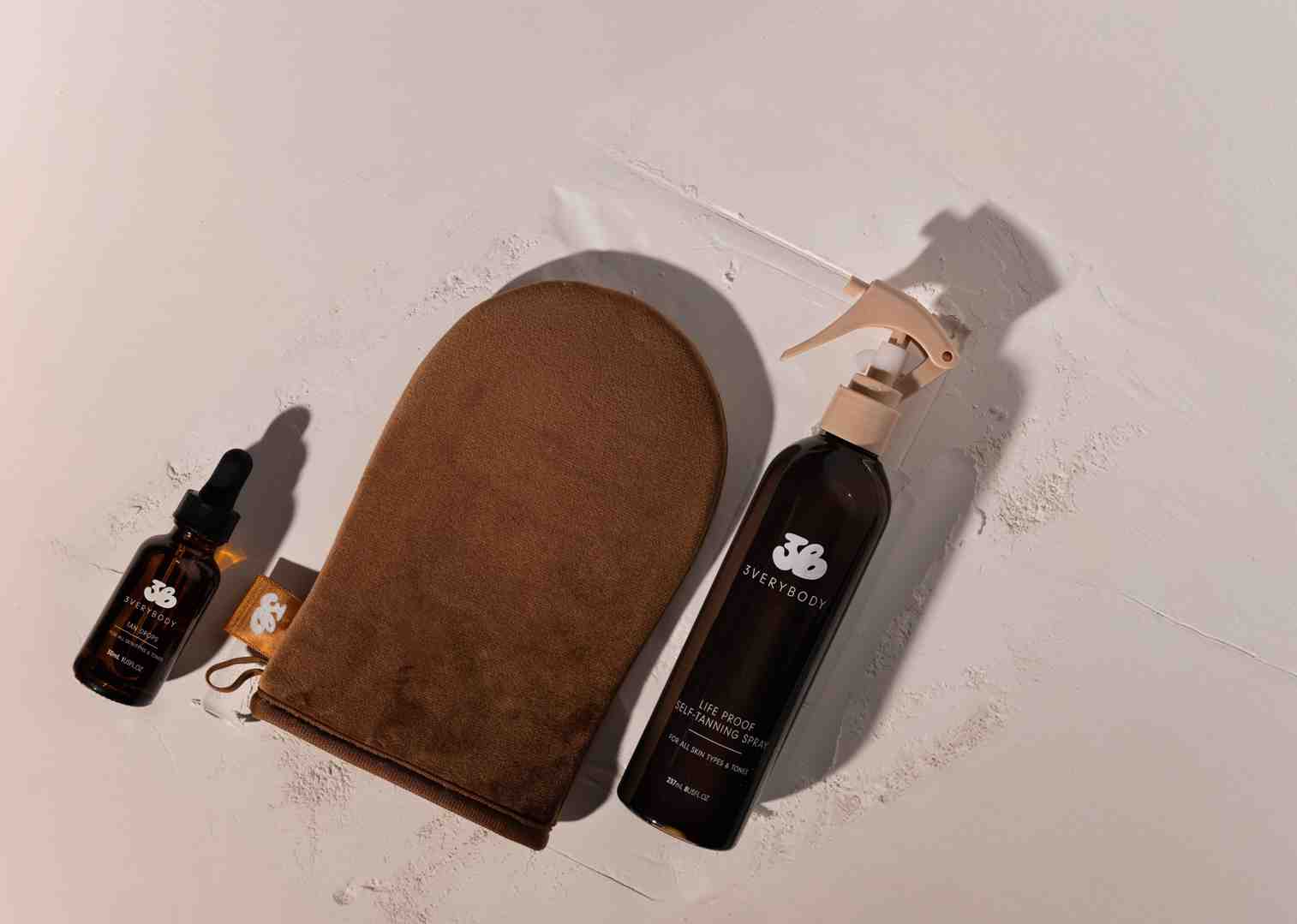
The "safety" of a tan also involves the application. A patchy, orange tan isn't dangerous, but it certainly doesn't make you feel your best! The 3VERYBODY method is designed to be foolproof and mess-free.
| Feature | 3VERYBODY Water-Light Formula | Traditional Heavy Mousse |
|---|---|---|
| Dry Time | Under 2 minutes | 10–20 minutes |
| Texture | Weightless water | Thick, often sticky foam |
| Transfer | Sweat/Transfer-resistant | High risk of staining sheets |
| Finish | Natural, "Life Proof" glow | Can skew orange or muddy |
The 3VERYBODY Method:
- Prep: Exfoliate 24 hours before.
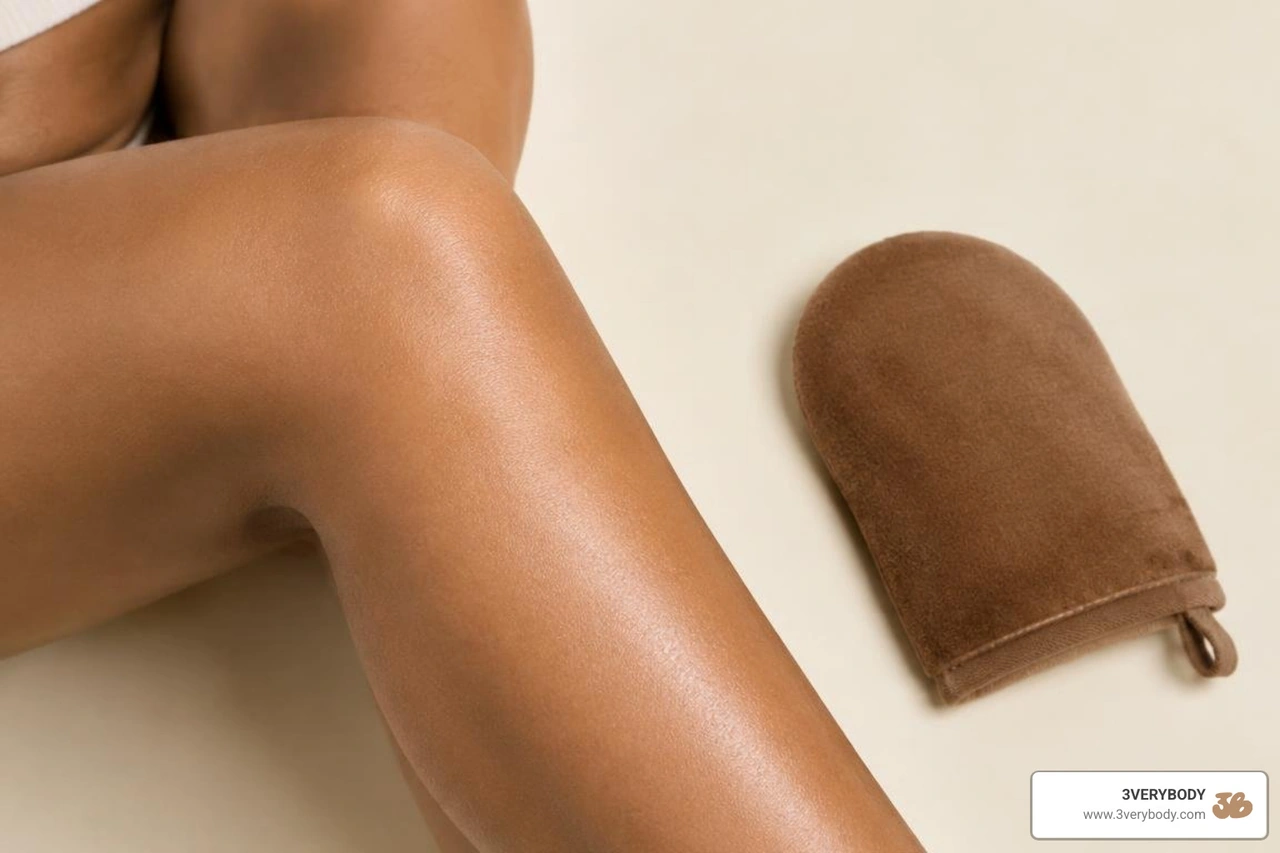
- Spritz: Apply our Tinted Tanning Water directly onto the double-sided Tanning Mitt.
- Smooth: Use long, sweeping strokes followed by gentle circles to blend.
- Detail: Leave your hands and feet for last. Use the "clean" side of the mitt or whatever is left on the fabric to lightly blend these areas.
- Dry & Go: Let it dry for a minute or two. Wear loose clothes and wait at least 4-6 hours (or overnight) before a lukewarm rinse.
If you prefer a customizable glow, our Tanning Drops are perfect for mixing into your favorite daily moisturizer. But are they as safe as the water? Absolutely. Learn more here: Are Tanning Drops Safe.
Frequently Asked Questions about Sunless Tanning Safety
Do self-tanners provide any sun protection?
No. Even if you look bronzed, your skin is still vulnerable to UV damage. You must continue to wear a broad-spectrum SPF 30+ every single day.
How long does a safe self-tan last?
A well-prepped tan using 3VERYBODY typically lasts 5 to 7 days. Because our formula is hydrating, it fades evenly rather than becoming "crackled" or patchy.
Can I use self-tanner if I have eczema or rosacea?
Yes, but with caution. Since our formulas are alcohol-free and contain soothing cucumber extract, many of our customers with sensitive conditions find they can tan without flares. Always perform a patch test on a small area 24 hours before a full application. For more tips, see our Self Tanner For Sensitive Skin Guide.
Conclusion
So, are there any safe self tanners? The answer is a resounding yes—as long as you choose clean, topical formulas and apply them with care.
At 3VERYBODY, we’ve taken the guesswork out of the process. As a woman-owned brand, we’ve focused on creating a "Life Proof" tan that is inclusive of every skin tone and type. Whether you’re using our Tinted Tanning Water, our customizable Tanning Drops, or the complete 3VERYBODY Kit, you’re getting a creator-approved (shoutout to HopeScope!) glow that prioritizes your skin health.
Ready for a salon-quality tan without the sun damage or the sticky mess? Shop the 3VERYBODY Collection today and join the thousands of people who have ditched the UV rays for a safer, better glow.