Why Pre-Tan Prep Is the Difference Between Flawless and Patchy

How to prep skin for self-tanner comes down to three essential steps that take less than 10 minutes but make all the difference between a streak-free glow and patchy, orange results.
Quick Answer: How to Prep Skin for Self-Tanning
- Exfoliate 24 hours before — remove dead skin cells with a gentle scrub or AHA/BHA product
- Shave or wax at least 24 hours ahead — prevents irritation and open pores
- Hydrate strategically — apply oil-free moisturizer only to dry spots (knees, elbows, ankles, hands)
The biggest mistake? Skipping prep entirely. When you apply self-tanner over dry patches, dead skin cells, or freshly shaved skin, you're setting yourself up for streaks, dark spots, and uneven fading. The goal isn't just a tan — it's a flawless, natural-looking tan that lasts.
Here's what proper prep delivers:
- Flawless results — no streaks, patches, or "scaly" spots
- Natural-looking color — even application means no orange tones or dark knees
- Long-lasting glow — tanner fades evenly instead of in blotches
I'm Emmy Bre, founder of 3VERYBODY, and I've spent over a decade testing self-tanners and perfecting how to prep skin for a truly streak-free, transfer-resistant tan that works on every skin tone. After watching my mom and grandma battle skin cancer, I built a self-tanning brand around one mission: safe, simple glow-ups that actually work — and it all starts with prep.

How to prep skin word roundup:
Why Skin Prep Is the Secret to a Flawless, Non-Orange Tan
Think of your skin as a canvas. Would you paint a masterpiece on a bumpy, dirty surface? Of course not! The same goes for self-tanning. Without proper skin prep, you're setting yourself up for an uneven application, leading to dreaded streaks and patches. This happens because self-tanner reacts with the dead skin cells on the outermost layer of your skin. If these cells are unevenly distributed — as they often are, especially around dry areas like your knees and elbows — your tan will be uneven, too.
Dead skin cells are the arch-nemesis of a perfect self-tan. They create a rough, scaly texture that grabs onto more tanner, resulting in darker, unnatural-looking spots. By creating a smooth, fresh canvas, we ensure our self-tanner goes on evenly, developing into a beautiful, natural-looking color. The benefits don't stop there. A well-prepped skin surface also means longer-lasting results and, crucially, an even fade. Nobody wants a blotchy, disappearing tan!
We believe that how to prep skin for self-tanning is just as important as the self-tanner itself. It's the secret to open uping that gorgeous, non-orange glow that looks like you just got back from a tropical vacation. To dive deeper into why this step is so critical, check out our guide on the importance of exfoliation.
Step 1: Exfoliate for a Smooth, Even Canvas

Exfoliation is the cornerstone of any good self-tanning routine. It's about clearing away the old to make way for the new, ensuring your self-tanner has a fresh, uniform surface to cling to. We recommend exfoliating a full 24 hours before you plan to apply your self-tanner. This 24-hour rule gives your skin enough time to calm down and close its pores after the exfoliation process, preventing any irritation or speckled tan spots.
The main goal here is removing dead skin cells. These cells, which accumulate daily, can cause color buildup and lead to patchiness, especially in areas where skin tends to be drier or thicker. Exfoliation helps prevent this, allowing your self-tanner to develop into a consistent, streak-free color.
When it comes to exfoliation, you have a couple of options:
- Physical exfoliation: This involves using gentle scrubs, loofahs, or exfoliating mitts to manually buff away dead skin. The key here is gentle. You don't need to scrub vigorously; light, circular motions are all it takes.
- Chemical exfoliation: These products use acids like glycolic acid (an AHA) or salicylic acid (a BHA) to dissolve the bonds between dead skin cells. They can be very effective, especially for sensitive or acne-prone skin, as they don't require harsh scrubbing.
Remember to rinse off thoroughly with lukewarm water after exfoliating. And if your skin has any cuts, open wounds, or is sunburned, skip exfoliation entirely until it heals to avoid further irritation. For more guidance on this crucial step, read our detailed article on how to safely exfoliate at home and how to exfoliate properly.
How to Prep Skin Based on Your Skin Type
Understanding your skin type is crucial for choosing the right exfoliation method. What works wonders for one person might be too harsh for another.
Dry Skin: If your skin tends to be dry, we advise against harsh mechanical exfoliation, which can cause microtears and further dryness. Instead, opt for gentle chemical exfoliants like AHAs (alpha-hydroxy acids) such as glycolic or lactic acid. These help remove dead cells and encourage healthy skin turnover without stripping moisture. After exfoliating, always follow up with a good moisturizer. For more specific advice, check out our exfoliator for dry skin guide. Generally, exfoliate dry skin once per week.
Oily Skin: Oily or thicker skin can often tolerate manual exfoliation better, as it tends to have an extra layer of buildup. Gentle scrubs or exfoliating brushes can be effective in circular motions to remove surface buildup and unclog pores. Salicylic acid (a BHA) is also an excellent choice for oily skin, as it penetrates deeper into pores to clear out excess oil and prevent blemishes. For our best recommendations, see our exfoliator for oily skin best guide. Oily skin can typically be exfoliated two to three times per week.
Sensitive Skin: For sensitive skin, gentleness is key. Avoid scrubbing or mechanical methods entirely. Mild chemical exfoliants, particularly enzyme-based ones or those with mandelic or lactic acid, are often a better choice. Apply them with a gentle washcloth, and always patch test first. We have a dedicated guide for self-tan sensitive skin that offers more custom advice.
Combination Skin: If you have combination skin, you might need a mix-and-match approach. You could use a chemical exfoliant on oilier areas and a physical exfoliant on drier, less sensitive zones. However, never use both types of exfoliation on the same day to avoid irritation. Listen to your skin; if it feels dry after exfoliation, moisturize immediately.
The goal is always to keep your skin barrier intact. If your skin becomes irritated or dry, take a few days off from exfoliating.
Step 2: Time Your Hair Removal Perfectly
After exfoliation, the next critical step in how to prep skin for self-tanning involves hair removal. The timing here is just as important as the method. Whether you prefer shaving or waxing, we insist on a 24-hour window before you apply your self-tanner.
Why the wait? Freshly shaved or waxed skin has open pores and can be more sensitive. Applying self-tanner too soon can lead to irritation, and those tiny open pores can grab excess tanner, resulting in a speckled appearance often referred to as "strawberry legs." We want smooth, even skin, not a polka-dot tan!
Shaving: Shaving removes the top layer of dead skin cells along with hair. Doing this 24 hours in advance allows your skin to recover, for pores to close, and any redness or irritation to subside. This ensures a perfectly smooth surface for your self-tanner to glide onto.
Waxing: Waxing pulls hair from the root, leaving pores open for a longer period. Giving your skin a full day to heal after waxing is crucial. It minimizes the risk of irritation and ensures that your self-tanner settles evenly without clinging to freshly exposed follicles.
By timing your hair removal perfectly, you prevent common self-tanning mishaps and ensure your skin is calm, smooth, and ready to absorb our water-light formulas beautifully. For a deeper dive into this topic, check out our guide on should you shave or wax before applying self-tanner.
Step 3: Hydrate Strategically for a Streak-Free Finish
Now, for a step that often gets misunderstood: hydration. While moisturizing is generally fantastic for your skin, when it comes to self-tanning, we need to be strategic. The common myth is to slather moisturizer everywhere right before you tan. But for a flawless, streak-free self-tan, we actually need to disrupt this "moisture barrier myth."
Here's the secret: self-tanner loves dry spots. And by "loves," we mean it clings to them with a vengeance, creating darker, unnatural-looking patches. To avoid this, we focus on hydrating only the areas that are notoriously dry and prone to grabbing too much color. Think of it as creating a blending barrier.
Our key areas for targeted hydration are:
- Knees: The skin here is thicker and often drier.
- Elbows: Just like knees, these can be rough.
- Ankles: A common spot for tanner to collect.
- Hands: Especially knuckles and between fingers.
- Feet: Heels, tops of feet, and around the toes.
Apply a pea-sized amount of an oil-free moisturizer to these specific spots. Oil-free is crucial because oils can create a barrier that prevents the self-tanner from developing properly, leading to streaky or patchy results. By lightly moisturizing only these areas, we ensure that the self-tanner applies more evenly across your entire body, preventing those tell-tale dark patches that scream "fake tan."
For more insights into this strategic step, visit our articles on should you moisturize before self-tanning and our ultimate moisturize self tan guide.
Your Complete Guide on How to Prep Skin for Tanning
Bringing it all together, here's your complete timeline for how to prep skin for that perfect, head-turning glow. Creating a routine and sticking to it will make self-tanning a breeze and ensure consistently gorgeous results.
The Pre-Tan Checklist: The Final Moments Before Application
24 Hours Before:
- Exfoliate: Gently buff away dead skin cells using your preferred method (physical or chemical) to create a smooth canvas. Remember to be extra gentle on sensitive areas.
- Hair Removal: Shave or wax. This allows your pores to close and any skin irritation to subside.
Right Before Application (within an hour):
- Shower (if needed): If you must shower, make it a quick, lukewarm one. Avoid hot water and harsh soaps. Pat your skin completely dry afterward. We generally recommend showering 4-6 hours before to allow your skin's pH to balance and pores to fully close.
- No Deodorant or Perfume: These products can create a barrier on your skin and interact with the self-tanner, leading to green patches or uneven color.
- Clean, Dry Skin: Ensure your skin is completely clean and dry before applying any self-tanner. Any residue (lotion, makeup, sweat) can interfere with the tanning process.
- Targeted Hydration: Apply a pea-sized amount of oil-free moisturizer to those notorious dry spots: knees, elbows, ankles, hands, and feet. This is your blending barrier.
By following this checklist, you're setting the stage for an effortlessly beautiful, non-orange tan.
How to Prep Skin with Moisturizer (Without Blocking Your Tan)
We've talked about strategic hydration, but let's get a little more specific on how to prep skin with moisturizer without blocking your tan. The goal is to create a subtle barrier on areas that tend to over-absorb tanner, ensuring a natural fade and preventing those tell-tale dark spots.
- Targeted Application: Focus exclusively on those drier, thicker skin areas. Think knuckles, wrists, elbows, knees, ankles, and the tops of your feet.
- Pea-Sized Amount: Less is definitely more here. You only need a tiny dab of oil-free moisturizer for each area. Rub it in thoroughly until fully absorbed.
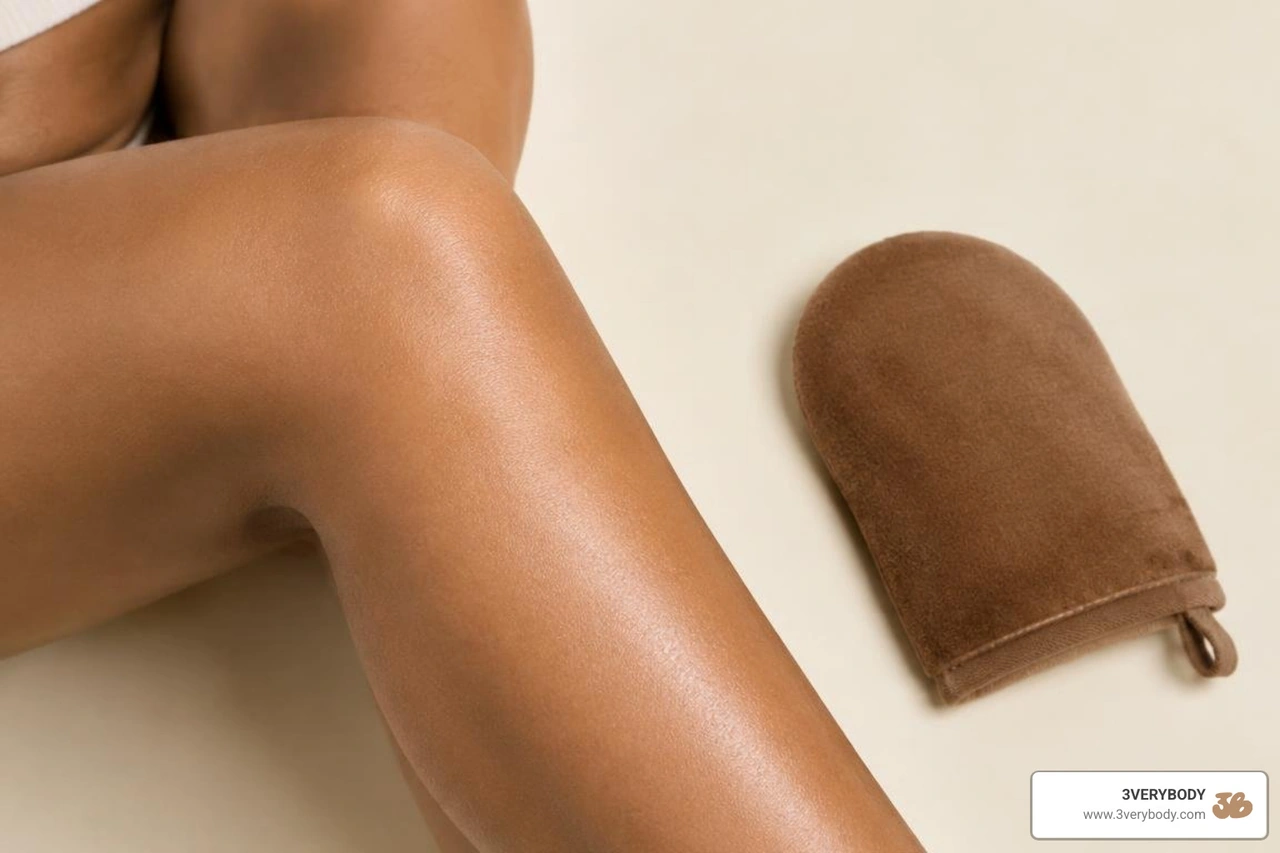
- The Blending Barrier: This thin layer of moisturizer acts as a buffer. It dilutes the self-tanner slightly in these areas, allowing for a smoother transition and preventing the tanner from clinging too intensely. This is particularly crucial for hands and feet, which often betray a fake tan. When you spritz our Tinted Tanning Water onto our double-sided Mitt, make sure to leave hands and feet for last, blending with the clean side of the mitt over your moisturized "barrier."
- Creating a Natural Fade: By managing how much tanner these areas absorb initially, you're also setting yourself up for a more natural, even fade over time. The tan won't cling in stubborn patches, but rather diminish gracefully.
We're not trying to moisturize your entire body before tanning. Just these few strategic spots. For more on how moisturizing after your tan can help it last longer, check out does moisturising help fake tan last longer.
Frequently Asked Questions about Pre-Tan Prep
We get it — self-tanning can feel like a science experiment sometimes! Here are answers to some of the most common questions about how to prep skin for your best tan yet.
What happens if I don't exfoliate before self-tanning?
Skipping exfoliation is one of the quickest ways to sabotage your self-tan. Here's what you can expect:
- Uneven Color: Your tan will likely be patchy, with some areas darker than others.
- Scaly Appearance: Dead skin cells can make your tan look rough and unnatural, especially on drier parts of your body.
- Faster, Uneven Fading: Without a fresh canvas, your tan will likely fade in blotches as those old skin cells naturally shed, leaving you with a less-than-graceful exit.
- Dead Skin Cell Buildup: The tanner will cling to these old cells, making your tan look dull and potentially orange.
It truly takes only a few minutes, but the difference is night and day.
Can I self-tan if I have acne or very sensitive skin?
Absolutely! Having acne or sensitive skin doesn't mean you have to miss out on a beautiful glow. The key is choosing the right products and being gentle with your skin prep.
- Choose Gentle Formulas: Our 3VERYBODY Tinted Tanning Water and Tanning Drops are designed to be water-light, non-comedogenic, and vegan/cruelty-free, making them suitable for all skin types, including sensitive and acne-prone skin. They're free from parabens and sulfates, which can sometimes irritate.
- Avoid Harsh Scrubs: If you have active breakouts or very sensitive skin, opt for a mild chemical exfoliant (like a gentle AHA or enzyme-based product) rather than a physical scrub, which could irritate your skin or spread bacteria.
- Patch Testing: We always recommend patch testing any new product, including self-tanner, on a small, inconspicuous area (like behind your ear or on your inner arm) 24 hours beforehand. This helps ensure you won't have an adverse reaction.
- Non-Comedogenic Products: Our formulas are non-comedogenic, meaning they won't clog your pores, which is essential for acne-prone skin.
For more detailed advice on how to steer self-tanning with delicate skin, check out our guide on self-tan sensitive skin.
Should I shower right before applying self-tanner?
This is a common question, and the answer is: timing is key! While you want clean skin, showering immediately before applying self-tanner isn't ideal.
Here's why we recommend showering 4-6 hours before your self-tanning session:
- Allows Skin pH to Balance: Your skin's pH can temporarily change after showering. Giving it a few hours to return to its natural state ensures optimal interaction with the self-tanner, leading to a better, more even color development.
- Ensures Pores are Closed: Hot showers open up your pores. Applying self-tanner to open pores can lead to a speckled, dotted appearance as the tanner settles into each pore. Waiting allows them to close fully.
- Clean, Dry Canvas: This timeframe ensures your skin is completely dry and free from any lingering steam, residue from soaps, or trace amounts of moisture, all of which can interfere with the self-tanner's application and development.
If you absolutely must shower closer to your tanning time, keep it quick and lukewarm, and make sure your skin is completely dry before you begin.
Your Flawless, At-Home Tan Starts Here
We've covered a lot about how to prep skin for self-tanning, and the takeaway is clear: prep is everything. These three simple steps — exfoliate, remove hair, and strategically hydrate — are your golden ticket to a beautiful, natural-looking tan that lasts. No streaks, no orange tones, just pure glow.
At 3VERYBODY, we've designed our products to make achieving that perfect tan easier than ever. Our water-light formulas are quick-dry, sheet-safe, and never orange, working beautifully on every skin tone and type.
Ready to experience the 3VERYBODY difference?
- Our Tinted Tanning Water (Life Proof Tan) is sweat/transfer-resistant and quick-dry. It’s enriched with nourishing ingredients like argan oil, cucumber oil, caffeine, and guarana extract, all in a vegan, cruelty-free formula free from parabens and sulfates.
- For a custom glow, our Tanning Drops mix seamlessly with your favorite moisturizer, serum, or oil. They feature rosehip oil and cucumber extract, and are vegan, free from parabens, palm oil, and sulfates.
- Apply it all with our Tanning Mitt, designed for even control, double-sided, and washable for streak-free application.
Get everything you need for salon-quality results at home. It’s time to glow with confidence.