Why Dry Skin Self Tanner Doesn't Have to Be a Nightmare

Dry skin self tanner can feel like a gamble—you’re chasing a sun-kissed glow but end up with patchy ankles, dark elbows, and a tan that fades in three days instead of seven. If you've ever watched self-tanner cling to flaky spots or disappear from your shins overnight, you're not alone.
Quick answer: The best self tanners for dry skin are hydrating, water-light formulas that layer evenly and include ingredients like hyaluronic acid, aloe vera, argan oil, or vitamin E. Always exfoliate 12–24 hours before, moisturize dry areas lightly right before tanning, and use a mitt to blend. Top picks include:
| Product | Why It Works for Dry Skin |
|---|---|
| 3VERYBODY Kit | Water-light tinted tanning water and customizable drops enriched with argan oil, cucumber oil, rosehip oil, and caffeine; quick-dry, sheet-safe, and streak-free |
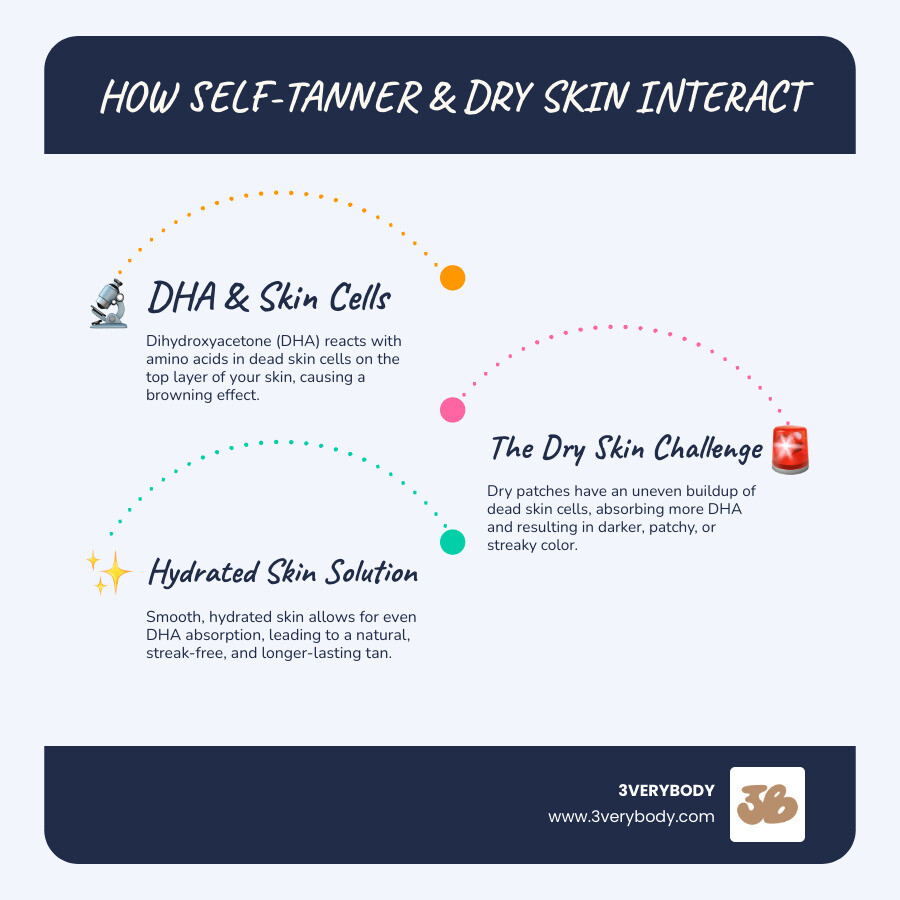
Here's the problem: DHA (the active ingredient that turns your skin bronze) reacts with dead skin cells on the surface. When your skin is dry, those cells pile up unevenly—especially on knees, elbows, and ankles—so the tanner grabs onto them in dark, blotchy patches. Worse, dry skin sheds faster, so your tan fades unevenly and doesn't last the full five to ten days.
The good news? With the right prep, the right formula, and a little extra moisture, you can get a natural, even tan that hydrates your skin instead of highlighting every dry spot.
I'm Emmy Bre, founder of 3VERYBODY, and I've spent years testing dry skin self tanner options—first to protect my own family from UV damage after my mom and grandma battled skin cancer, and then to create formulas that actually work on every skin tone and type. I built our tinted tanning water and drops to layer cleanly, dry fast, and keep skin soft—no orange, no streaks, no stickiness.
The Challenge: Why Self Tanner Clings to Dry Skin
We all dream of that flawless, sun-kissed glow, but for those of us with dry skin, achieving it with self-tanner can often feel like an uphill battle. Why does it seem like every dry patch on our body suddenly becomes a magnet for extra color, leaving us with an uneven, patchy result? It all comes down to how self-tanner works and the unique characteristics of dry skin.
The active ingredient in most self-tanners is dihydroxyacetone (DHA). This sugar-based compound reacts with the amino acids in the outermost layer of your skin, the stratum corneum, to create that beautiful tanned pigment. It's considered safe for topical use and is a much safer alternative to UV tanning, which can cause significant skin damage. However, DHA can also be drying, which is why it's crucial to choose a formula that counteracts this effect, especially if your skin is already prone to dryness.
The main issue for us dry-skinned beauties is dead skin cell buildup. When our skin is dry, it tends to accumulate more dead cells on the surface. Think of areas like your knees, elbows, ankles, and even the sides of your feet—these spots are notorious for being drier and rougher. When you apply self-tanner, the DHA has more "material" to react with in these areas, leading to uneven absorption. This means the self-tanner sinks into these dry spots more intensely, resulting in dark, unnatural-looking patches. It’s the dreaded tell-tale sign of a self-tan gone wrong.
Beyond the initial application, dry skin also affects the longevity of your tan. Our skin naturally sheds its outer layer of cells over time, and for most people, faux tan products typically last between five to 10 days before this natural shedding process starts to break down the color. However, if your skin is dry, it tends to shed cells faster and less evenly. This means your carefully applied tan can fade prematurely and unevenly, preventing it from lasting the full five to ten days we all hope for. No self-tan will last longer than ten days because our skin's natural cell turnover simply won't allow it.
The good news is that with the right approach, we can overcome these challenges. Self-tanners have come a long way, and many of today's options impart natural-looking tans that are almost indistinguishable from the real deal, even on dry skin. It just requires a little more attention to preparation, product selection, and maintenance.
The 3-Step Prep for a Perfect Canvas
Achieving a flawless, hydrated tan starts long before you even open your self-tanner. For us with dry skin, preparation is not just a suggestion; it's a non-negotiable step to ensure an even, streak-free, and natural-looking glow. Think of it as creating the perfect canvas for your masterpiece.
Step 1: Exfoliate
This is perhaps the most critical step for dry skin. Exfoliation removes those excess dead skin cells that cause self-tanner to cling and create dark patches. We recommend a gentle, thorough exfoliation about 12 to 24 hours before your self-tanning session. This timing is key: it allows your skin to calm down after exfoliation, preventing any irritation, but still ensures a smooth base without open pores that might absorb too much product.
For optimal results, consider a mix of physical and chemical exfoliation. A gentle body scrub or an oil-free cleanser containing glycolic or salicylic acid can work wonders. Remember to be careful, especially if you have sensitive or eczematous skin; rough scrubbing can cause irritation. As we've learned, "Eczematous skin should be very carefully exfoliated before application of self-tanner so that the new skin tone will be even and natural looking." After exfoliating, make sure to rinse thoroughly to remove any residue. Want to dive deeper into why this step is so important? Read our guide on The Importance of Exfoliation in Self-Tanning Routines.
Step 2: Shave or Wax
Any hair removal should be done before you apply your self-tanner. We advise shaving or waxing at least 24 hours in advance. This gives your hair follicles enough time to close, which prevents the self-tanner from settling into them and creating tiny, dark dots. As experts say, "All of those treatments can remove self-tanner," so getting them out of the way beforehand ensures your tan lasts longer and looks smoother.
Step 3: Moisturize Key Areas
Now, this is where we specifically address the needs of dry skin self tanner application. While it might seem counterintuitive to moisturize right before tanning, it's essential for preventing those tell-tale dark spots on notoriously dry areas. About an hour before you plan to tan, apply a thin layer of an oil-free moisturizer to areas prone to excessive dryness or self-tanner buildup. This includes your knees, elbows, ankles, wrists, hands, and feet. You can even lightly apply it around your nostrils if that area tends to be dry. This acts as a barrier, preventing these spots from absorbing too much DHA.
The drier your skin, the more important this step is. Alysa, a self-tanning expert, advises, "The drier the skin, the longer you want to moisturize." We're talking about rich, hydrating creams. For example, the CeraVe Moisturizing Cream is an excellent choice, known for its ability to hydrate skin for an even and long-lasting tan, and it's even accepted by the National Eczema Association. However, ensure the moisturizer is fully absorbed and not greasy before moving on to tanning. To understand more about this step, check out our insights on should you moisturize before self-tanning.
By dedicating time to these three crucial steps, you're setting yourself up for a beautiful, streak-free, and natural-looking tan that respects your dry skin's needs.
The Best Dry Skin Self Tanner Formulas We Love
Choosing the right dry skin self tanner is just as important as the prep work. Modern formulas are packed with skin-loving ingredients designed to hydrate and nourish, ensuring your tan looks radiant and lasts longer. We always look for products that prioritize moisture, so you don't have to choose between a glow and healthy skin.
Look for formulas rich in hydrating ingredients like:
- Hyaluronic Acid: A powerful humectant that draws moisture into the skin, keeping it plump and hydrated.
- Aloe Vera: Known for its soothing and moisturizing properties, perfect for calming dry or sensitive skin.
- Argan Oil: A nourishing oil that provides deep hydration and a healthy glow.
- Vitamin E: An antioxidant that helps condition the skin and supports its barrier function.
- Shea Butter: A rich emollient that softens and smooths dry skin.
- Jojoba Oil: Mimics the skin's natural oils, offering balanced hydration.
- Coconut Water & Passionfruit Oil: Provide light, refreshing hydration and essential nutrients.
- Vitamin C: Brightens skin and offers antioxidant benefits.
At 3VERYBODY, we believe a thinner, water-light layer blends cleaner, dries faster, and looks natural from very fair to deep skin. This is why we focus on water-based formulas that feel weightless yet deliver powerful hydration, avoiding the heavy or sticky feel of some lotions.
Best Hydrating Tanning Water: 3VERYBODY Kit
For an all-in-one solution that truly understands dry skin self tanner needs, our 3VERYBODY Kit is built for salon-quality results at home. It combines everything you need for a flawless, hydrated glow: our Tinted Tanning Water (Life Proof Tan), Tanning Drops, and a Tanning Mitt.
Our Tinted Tanning Water, affectionately known as Life Proof Tan, is a water-light formula that dries quickly and is sweat- and transfer-resistant—meaning no orange sheets or clothes. It's enriched with nourishing ingredients like argan oil and cucumber oil to keep your skin soft and supple, alongside caffeine and guarana extract for an added skin-firming boost. It’s vegan, cruelty-free, and free from parabens and sulfates. We're proud to be woman-owned, inclusivity-first, and creator-approved—HopeScope even gave us her stamp of approval.
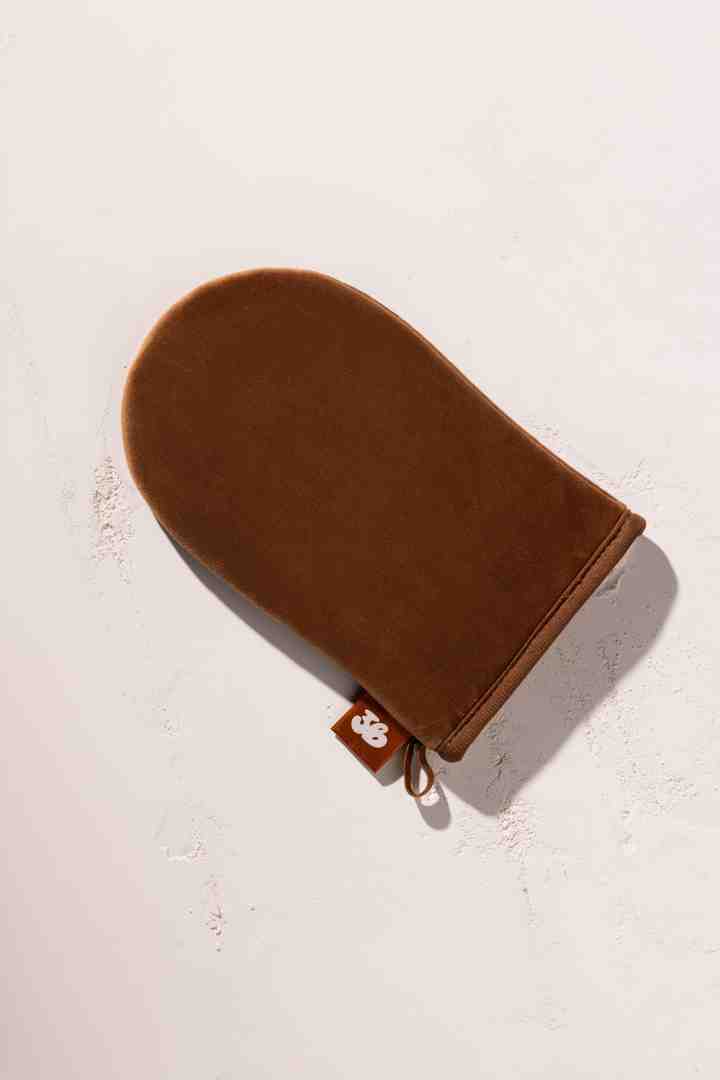
Our customizable Tanning Drops are perfect for days when you want to mix your tan with your favorite moisturizer, serum, or oil. They feature rosehip oil and cucumber extract for extra hydration, are vegan, and free from parabens, palm oil, and sulfates. Finally, our double-sided, washable Tanning Mitt is designed for even control and a streak-free application every time, while keeping your palms stain-free.
If you like to build your color slowly, you can also create a gradual tan by mixing fewer Tanning Drops into your usual body lotion and applying daily. This gives you the same hydrated, non-orange glow with more control over depth and timing.
Best Lotion for Eczema-Prone Skin: Dolce Glow D’oro Self-Tanning Lotion
For those with eczema-prone or very sensitive dry skin, finding a suitable self-tanner can be particularly challenging. The Dolce Glow D’oro Self-Tanning Lotion comes highly recommended, even vouched for by an editor with eczema-prone skin. This lotion formula makes application easy and is infused with hyaluronic acid, jojoba seed oil, and vitamin B5. These ingredients work together to replenish the skin’s moisture and combat dullness, making it a gentle yet effective option for sensitive skin types. It's designed to provide a beautiful tan while prioritizing skin health and hydration.
You can pair D’oro on your body with 3VERYBODY’s water-light formulas on areas that tend to get drier or patchier—like shins, ankles, and wrists—so you still get our quick-dry, sheet-safe finish where it matters most.
Application and Maintenance for a Long-Lasting Tan
You've prepped your skin and chosen your ideal dry skin self tanner. Now it's time for the magic: application. Even the best products need the right technique to shine. And once you've got that perfect glow, a few simple habits will keep it looking fresh and even for as long as possible.
Application Techniques for a Streak-Free Finish
The secret to a streak-free, natural-looking tan, especially on dry skin, lies in a few key techniques:
- The Importance of a Good Mitt: A high-quality tanning mitt is your best friend. Our double-sided, washable Tanning Mitt is designed for even control, ensuring no streaks and no weird orange shadows between your fingers. It also protects your palms from staining, a common self-tanning mishap.
- Spritz and Smooth: For our Tinted Tanning Water, the process is simple: spritz the product directly onto your mitt. Then, apply it to your body in long, smooth strokes, using gentle circular motions. This ensures even distribution and prevents any missed spots.
- Work Your Way Up: Start applying the self-tanner to your legs and work your way up your body. This prevents awkward lines from bending over and helps you avoid smudging already-tanned areas.
- Hands and Feet Last: These areas are notorious for soaking up too much product. Leave your hands and feet for last. Use the leftover product on your mitt, then blend with the clean side of the mitt. A lighter touch here is crucial.
- Blending is Key: Ensure all areas are covered and blended seamlessly. Pay extra attention to joints like knees and elbows, applying sparingly and blending well.
- Drying Time: Allow your self-tanner to air dry completely before dressing. Our water-light formulas are quick-dry and sheet-safe, so a few minutes is usually sufficient. Once dry, wear loose, dark clothing to prevent any transfer.
- Initial Rinse: After the tan has developed (check your product's instructions for timing, typically a few hours), take a quick lukewarm rinse. Avoid harsh soaps during this initial shower.
For more detailed guidance on achieving that perfect glow, you can always refer to our comprehensive self-tanner application tips.
How to Maintain Your Tan and Prevent Patchiness
You want your tan to last, and for dry skin, maintenance is what keeps things smooth instead of patchy. Self-tanners typically last about a week to 10 days, as your skin naturally sheds its cells. The older you are, the longer your tan might last as skin cell turnover slows down with age. Here’s how to keep that glow going strong:
- Moisturize Daily: This is the golden rule for maintaining any tan, especially on dry skin. Hydrated skin sheds slower and more evenly. Apply a rich, hydrating, oil-free moisturizer daily to keep your skin supple. Regular moisturizing will help your tan fade gracefully rather than flaking off in patches. Want to know more? Read about does moisturising help fake tan last longer.
- Gentle Cleansing: Use gentle, oil-free cleansers in the shower. Avoid harsh exfoliants or active ingredients like retinoids, AHAs, or BHAs, as these can strip your tan prematurely.
- Pat, Don't Rub: After showering, gently pat your skin dry with a towel instead of rubbing vigorously. This helps preserve the integrity of your tan.
- Top-Ups with Tinted Tanning Water or Drops: Instead of a full re-application, you can refresh your color every few days. Either mist a light layer of Tinted Tanning Water with your mitt on areas that fade fastest (like shins and arms) or mix a few Tanning Drops into your nightly body lotion for a slow, seamless top-up.
- Avoid Excessive Heat: Long, hot showers or baths can cause your tan to fade faster. Opt for lukewarm water instead.
By following these application and maintenance steps, you can make every dry skin self tanner session deliver a long-lasting, radiant glow that looks natural, feels hydrated, and stays sheet-safe.
Frequently Asked Questions
We know you've got questions, and we've got answers. Here are some common queries we hear about self-tanning, especially when dry skin is in the picture.
Can I use self-tanner if I have eczema?
Yes, you can use self-tanner if you have eczema or other dry skin conditions, but it requires extra caution and a thoughtful approach. Always check in with a dermatologist if you have severe eczema or before trying new products.
Here’s what we suggest:
- Patch Test First: Always perform a patch test on a small, inconspicuous area of your skin at least 24–48 hours before a full application. This helps check for any irritation or adverse reactions.
- Hydrating, Fragrance-Free Formulas: Opt for self-tanners that are gentle, hydrating, and, when possible, fragrance-free, since fragrance can be a common irritant for eczema-prone skin. Our water-light Tinted Tanning Water and customizable Tanning Drops are both vegan, free from parabens and sulfates (and palm oil in the case of the Drops), and enriched with soothing ingredients like cucumber oil and extract.
- Careful Exfoliation: As mentioned earlier, eczematous skin should be very carefully exfoliated prior to application. This helps your tone look even without stirring up irritation.
- Moisturize Strategically: Apply a rich, hydrating cream, like the CeraVe Moisturizing Cream (accepted by the National Eczema Association), to hydrate your skin thoroughly before tanning. For very dry or eczema-prone patches, a light barrier of lotion before applying self-tanner can prevent over-absorption.
- Consider DHA-Free Options on Flare Areas: If you’re nervous about using DHA on active eczema patches, keep your self-tanner on the clearer areas and use a wash-off glow product or makeup on the rest so you still feel even without commitment.
For more information, check out our guide on the best self-tanner for sensitive or eczema-prone skin.
What are the most common mistakes to avoid when tanning dry skin?
Self-tanning mishaps happen, but most are easy to dodge—especially on dry skin. Here are the top errors to steer clear of:
- Skipping Prep: The biggest mistake is not properly preparing your skin. Skipping exfoliation, shaving, or pre-moisturizing dry areas will almost guarantee a patchy, uneven tan.
- Using Too Much Product on Dry Spots: Applying the same amount of self-tanner to dry areas (like knees, elbows, ankles, and hands) as you do to the rest of your body is a recipe for disaster. Self-tanner sinks into dry skin, leaving dark, unnatural-looking patches. Always use less product on these areas or blend with the clean side of your mitt.
- Not Using a Barrier Cream: Failing to apply a light, oil-free moisturizer to extra dry spots before tanning allows these areas to absorb too much DHA, resulting in overly dark or orange patches.
- Not Washing Hands (If You Skip the Mitt): Neglecting to wash your hands thoroughly immediately after application will leave you with tell-tale orange palms and fingers. A mitt makes this almost a non-issue.
- Using Heavy Oils Right Around Tanning Time: Applying thick, oil-based moisturizers or cleansing oils directly before or immediately after self-tanning can interfere with the DHA's ability to develop evenly, leading to streaks or a faded tan. Stick to lighter, oil-free formulas during your tanning routine.
Is self-tanner safe?
Yes, self-tanner is widely considered safe for topical use and is a much safer alternative to UV tanning (sunbathing or tanning beds).
The active ingredient, dihydroxyacetone (DHA), is FDA-approved for external application. It works by reacting with the amino acids on the very top layer of your skin, only affecting dead skin cells. This means it doesn't penetrate into deeper layers of the skin or enter the bloodstream.
While DHA is considered safe for topical use, there have been some concerns raised about inhaling or ingesting DHA during spray sessions or through using spray products. However, the quantities found in current products are generally considered unlikely to be harmful, though it might be irritating to folks with sensitive skin. This is why we created our Tinted Tanning Water to be spritzed onto a mitt first, rather than sprayed directly onto the body, to minimize any inhalation.
When used as directed, at-home self-tanners like our tinted tanning water and Tanning Drops offer a safe, effective way to get a bronzed look without exposing your skin to the damaging effects of UV radiation from the sun or tanning beds.
Conclusion: Your Best Tan is a Hydrated Tan
We've covered a lot, but the core message is clear: a beautiful, natural-looking tan is absolutely achievable for everyone, even those of us with dry skin. The key takeaways are simple yet powerful:
- Prep is Non-Negotiable: Exfoliation and strategic moisturizing are your best friends. They create the smooth, even canvas your self-tanner needs to work its magic, preventing patchiness and streaks.
- Hydration is Key: Choose self-tanner formulas that are packed with skin-loving, hydrating ingredients like hyaluronic acid, argan oil, and vitamin E. These ingredients counteract the drying effects of DHA and keep your skin nourished, ensuring your tan looks radiant and lasts longer.
- Choose the Right Formula for Your Skin: Whether it's our water-light Tinted Tanning Water, a gradual moisturizer, or customizable drops, select a product that suits your skin type and lifestyle. Our water-light formulas, like the ones in the 3VERYBODY Kit, are designed to blend cleanly, dry fast, and keep skin soft, delivering a natural, non-orange glow without the stickiness.
We believe that self-tanning should be an empowering experience, helping you feel confident and glowing without compromising your skin's health. With the right knowledge and products, you can achieve a flawless, hydrated tan that truly improves your natural beauty.
Ready to experience a hydrated, streak-free glow that works for every skin tone and type? Explore the 3VERYBODY Kit for a flawless, hydrated tan and find why our water-light, quick-dry formulas are changing the game for dry skin self tanner users everywhere.