Self Tanner vs Spray Tan: The Quick Answer
The self tanner vs spray tan choice comes down to cost, control, timing, and convenience. Both use DHA to color the top layer of skin, so the tan itself works the same way. A salon spray tan is quick and hands-off. An at-home self-tanner like Life Proof Tan lets you tan on your own schedule, top up between tans, and control how deep you go.
Self Tanner vs Spray Tan: How Each Method Works
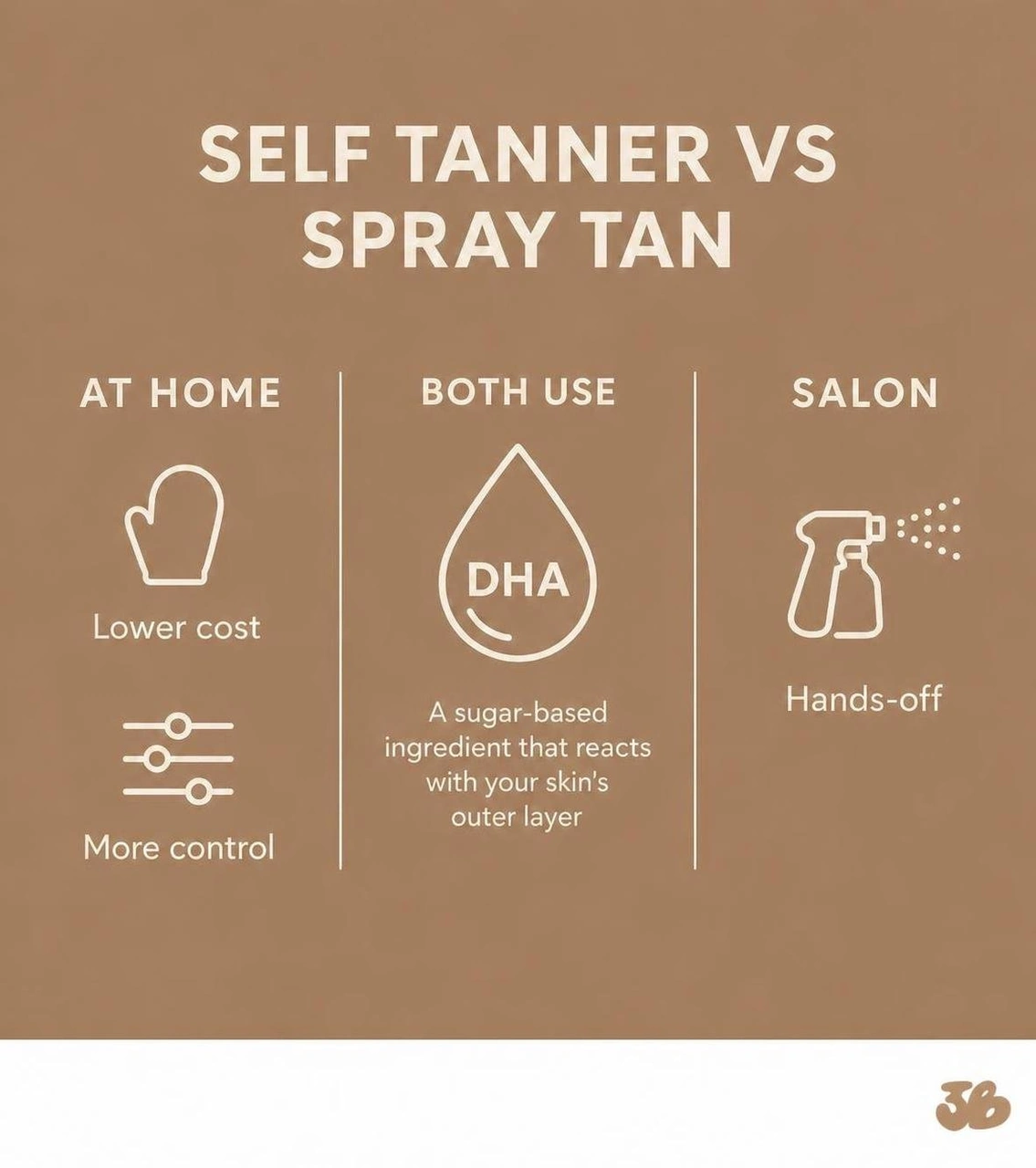
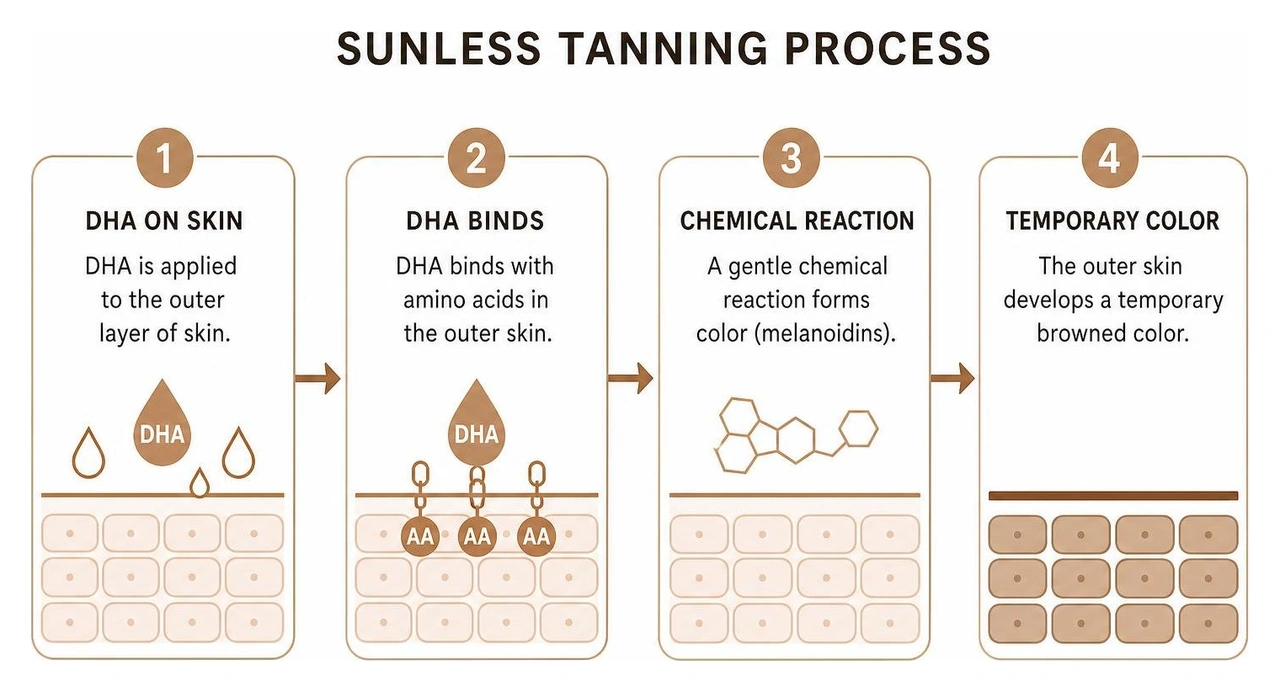
Both at-home self-tanners and professional spray tans rely on the same active ingredient: dihydroxyacetone (DHA). DHA is a sugar-based ingredient that interacts with the amino acids in the dead cells of your skin's outermost layer. This gentle chemical reaction creates a temporary browning effect without needing any ultraviolet light.
The core difference lies in how that DHA is delivered to your body. In a salon, a technician or an automated booth sprays a fine mist of liquid over your entire body in minutes. At home, you apply a liquid spray or drop-based formula directly using a blending tool to work the product into your skin section by section.
Safety Profile: A Self-Tanner vs. a Spray Tan
Sunless tanning gives you color without UV exposure from the sun or tanning beds.
However, application methods carry distinct safety considerations. When you use an at-home product, the formula is rubbed onto the skin, keeping it on the outer surface. In contrast, salon booths spray DHA into a fine airborne cloud. According to the FDA Sunless Tanners guidance, DHA is approved for external use on your skin, but it is not approved for areas like the eyes, lips, or inside the nose and mouth, which matters when a spray goes everywhere.
At-home formulas allow you to steer clear of the nose and mouth while controlling where the product sits on your skin. Do a quick spot test on your inner arm before full application to see how your skin reacts.
Application and Control: DIY Formula vs. Salon Mist
A professional spray tan is hands-off and makes it easier for hard-to-reach areas, like the center of your back, to get even coverage from an experienced technician. You show up, step into a booth or tent, and leave the blending to someone else.
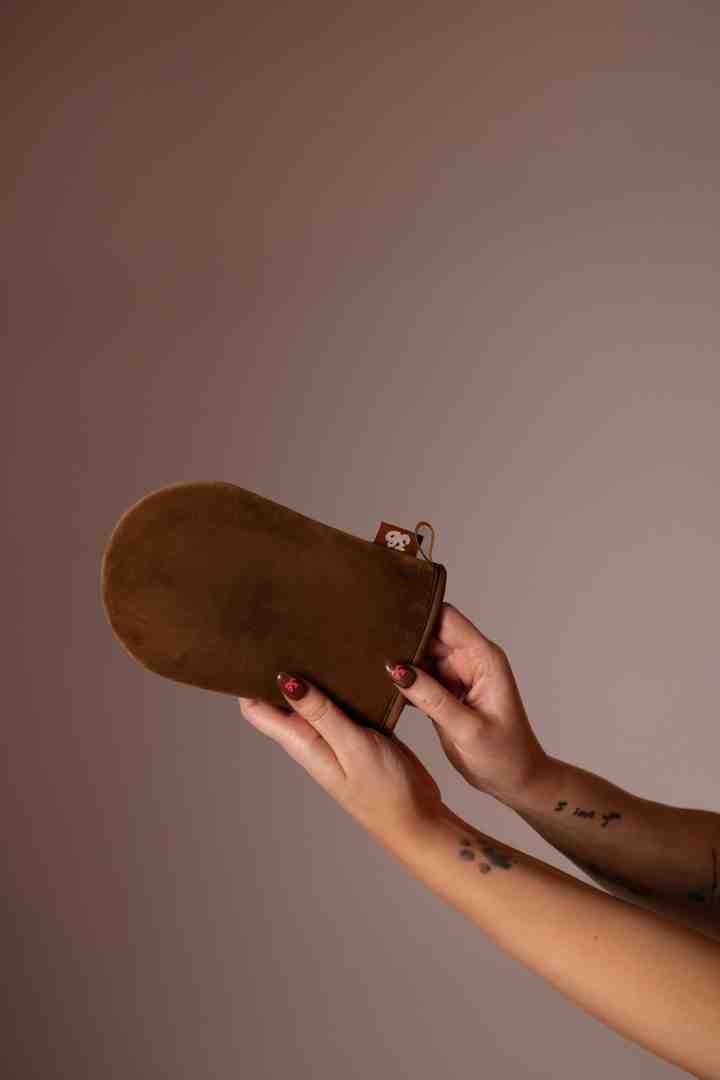
An at-home application gives you total personal control. You decide your depth of color, where you want lighter coverage, and what time of night you want to tan. While reaching behind your shoulders takes a little practice, learning how to self-tan as a beginner with the Tanning Mitt gives you salon-like results in your own bathroom without booking an appointment.
Comparing Results, Costs, and Convenience
| Feature | Salon Spray Tan | At-Home Self-Tanner |
|---|---|---|
| Who Applies It | Salon technician or automated booth | You apply it yourself with a mitt |
| Schedule Flexibility | Requires an appointment and travel | Done anytime in the privacy of home |
| Depth Control | Pick from preset salon solution levels | Fully customized by layers or drop count |
| Back Application | Very simple and completely hands-off | Requires careful reaching with an applicator |
| Touch-Ups | Requires booking another full session | Easy spot-treatment and quick fixes |
| Cost Per Tan | Higher cost per individual visit | Low cost per application |
| Development and First Rinse | Develops over time; follow salon window and rinse with water | Develops over time; wait at least one hour or sleep in it |
| Best For | Major events, weddings, quick full-body mist | Weekly upkeep, busy schedules, privacy |
Pros and Cons of Each Method
Salon Spray Tan Pros:
- Hands-off application with zero personal effort.
- Easy, even coverage on hard-to-reach areas like your back.
- Fast full-body misting in just a few minutes.
Salon Spray Tan Cons:
- Higher ongoing cost for every single session.
- Requires booking an appointment and traveling to a salon.
- Inconvenient for quick spot fixes or mid-week touch-ups.
At-Home Self-Tanner Pros:
- Lower cost per tan.
- Total privacy and flexibility to tan on your own schedule.
- Full control over color depth and easy spot touch-ups.
At-Home Self-Tanner Cons:
- Requires DIY blending effort and technique.
- Hard-to-reach spots like the center of your back take practice.
Cost and Maintenance: Self Tanner vs Spray Tan
When comparing long-term upkeep, at-home self-tanning is easier on your budget. At-home tanners offer a lower cost per use compared to paying for an individual salon session on a regular basis.
A 3VERYBODY tan lasts about a week. To help your color fade evenly, hydrate your skin daily with a gentle moisturizer, avoid steaming hot showers, and top up your color as needed rather than booking frequent salon appointments.
Choosing the Right Method for Your Lifestyle
If it is your first time getting a tan before a big event or wedding, or if you want hands-off coverage for hard-to-reach areas, a salon spray tan is a good choice for complete, even coverage from head to toe.
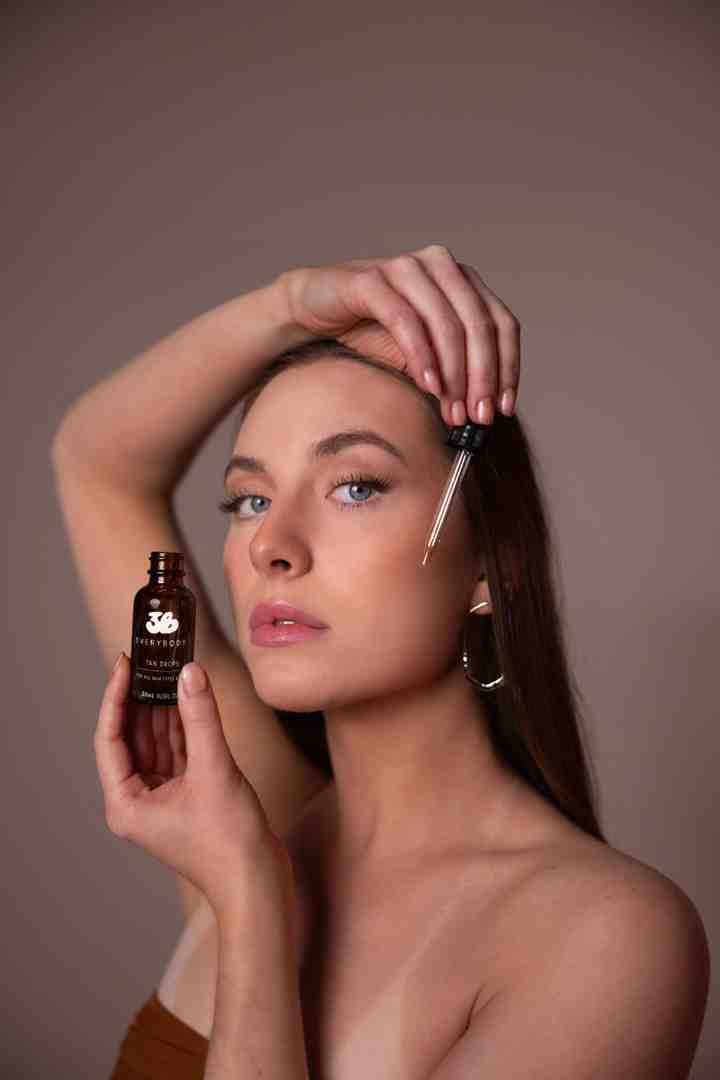
For everyday life, weekly maintenance, budget-friendly upkeep, or quick touch-ups using Tanning Drops, at-home tanning is hard to beat for privacy and convenience. You can tan after work, relax in loose clothes, and never worry about rain ruining your fresh spray on the drive home from a salon.
How to Get Salon-Quality Results at Home
Getting smooth, radiant color at home comes down to proper prep and technique. You can easily learn how to self tan without streaks by following these essential steps:
- Exfoliate the day before: Exfoliate with an oil-free scrub the day before tanning, and shave at least 3 hours before application.
- Prep dry spots: Avoid applying body lotion immediately before tanning. Moisturize the night before or earlier in the day. If you have very dry elbows, knees, or ankles, apply a light dab of moisturizer and let it sink in fully before starting.
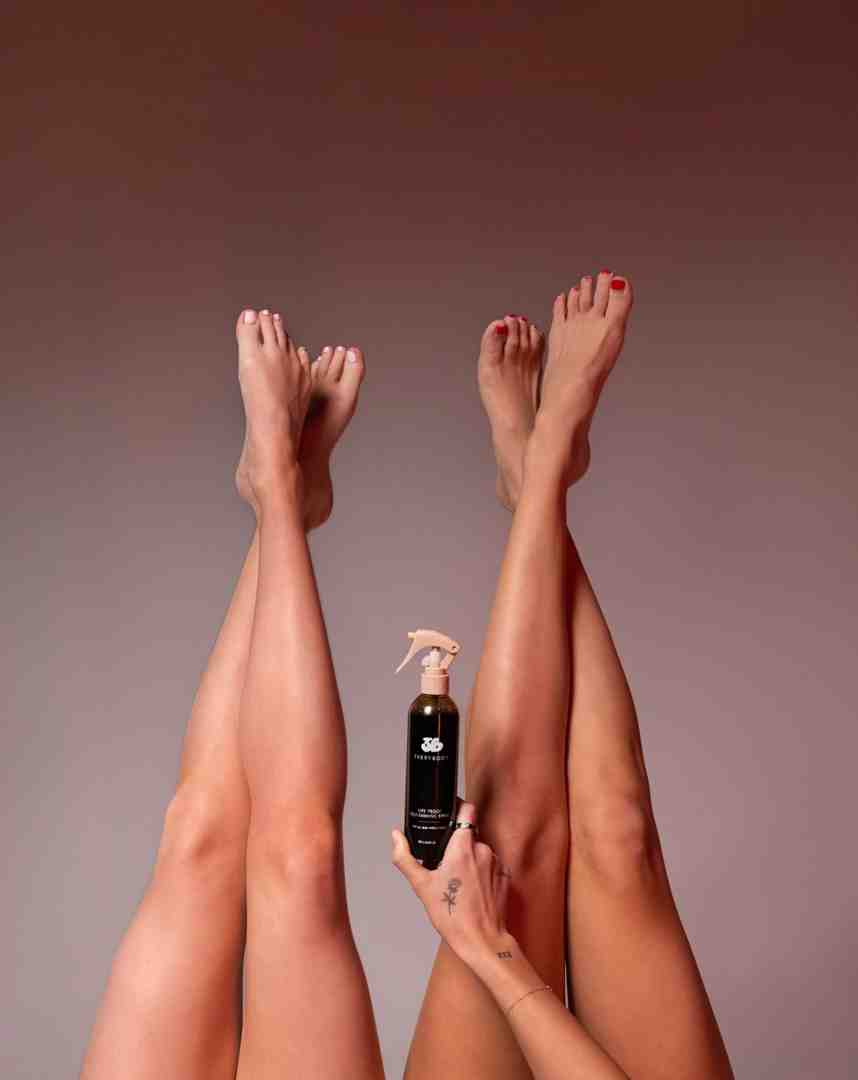
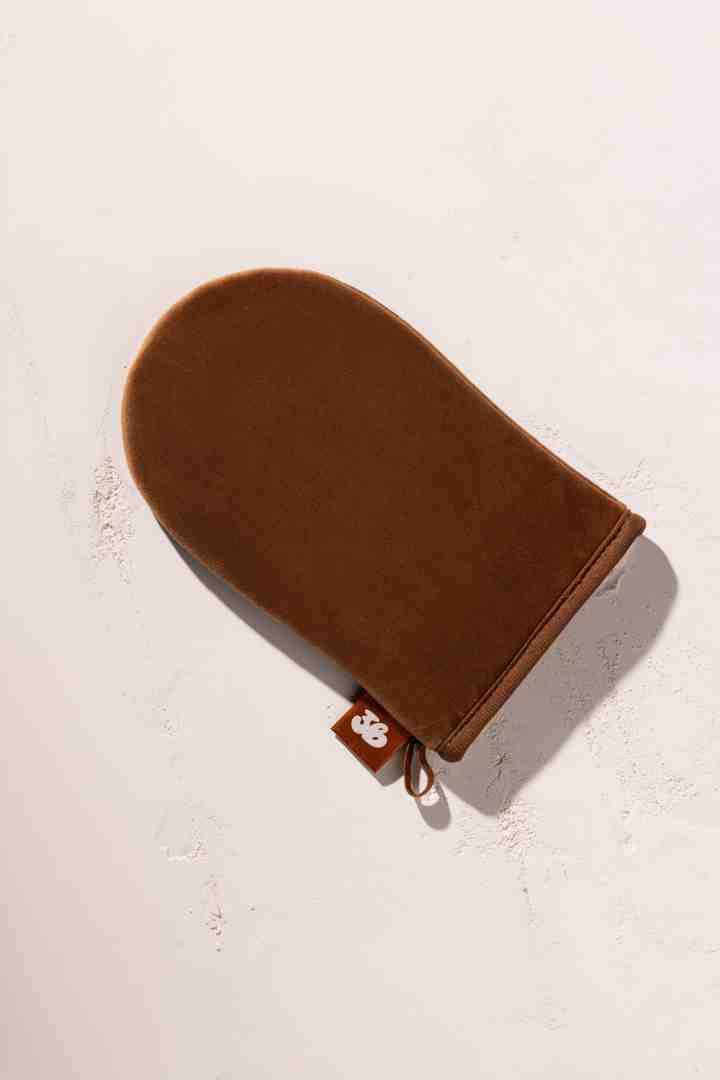
- Spray onto your applicator: Hold Life Proof Tan over a sink and mist it directly onto the Tanning Mitt. Never spray it straight onto your skin. Our 8 oz spray is quick-drying and sweat-resistant, giving you a deep, natural-looking finish without sticky residue.
- Work from bottom to top: Apply in circular motions, starting at your ankles and working upward over your calves, thighs, torso, and arms.
- Finish with hands and feet: Leave your hands and feet for last. Use the clean, dry side of your plush, double-sided mitt to lightly buff over wrists, knuckles, ankles, and toes.
- Rinse and rest: Wait at least 1 hour before rinsing, or sleep in your tan overnight for best results. When it is time to rinse, use lukewarm water without harsh soaps or body scrubs.
Explore our helpful self-tanning blogs and tips for more practical advice on perfecting your routine.
Avoiding Common Streaks and Mistakes
Streaks and unwanted tones are easy to avoid when you understand why they happen. Orange tones usually come from overapplication, dry skin, rushing prep, or choosing a shade too deep for your starting skin tone.
Right after you apply, wipe a damp Q-tip over light tattoos and dark spots.
Frequently Asked Questions About Sunless Tanning
How long does a spray tan last compared to self-tanner?
Spray tans and self-tanners work with DHA on the outermost skin layer, so each one fades as those skin cells shed. The formula, your skin, and your aftercare affect how long the color lasts. With proper care, a 3VERYBODY tan can last about a week. Moisturize every day and skip rough scrubbing to support an even fade. Once the color fades, exfoliate and begin again from square one.
Can you use self-tanner to extend a professional spray tan?
Yes. An at-home product is one of the easiest ways to touch up fading areas after a salon visit. If your hands, chest, or face start fading faster than the rest of your body, you can blend customizable Tanning Drops into your everyday moisturizer. Mix 2 to 4 drops for the face and decolletage, or 4 to 6 drops per body part, to revive your color without needing a new salon appointment. Wash your hands right after applying, and avoid washing your face for 8 hours while the color sets.
Does a sunless tan protect your skin from the sun?
No. A sunless tan is not sunscreen. Even if your skin looks bronzed and golden, it does not block UV rays from the sun. Always apply regular sunscreen daily to keep your skin protected when spending time outdoors.
Conclusion
Whether you choose a salon spray tan for a special event or prefer the convenience and savings of an at-home routine, sunless tanning is a simple way to get a bronze glow without spending hours in the sun.
If you love the freedom of tanning on your own schedule, grab our sweat-resistant Life Proof Tan and pair it with the plush, double-sided Tanning Mitt. For everything you need in one place, check out the complete at-home setup with the 3VERYBODY Kit, which includes Life Proof Tan, Tanning Drops, Tanning Mitt, and a black drying towel. For more tips, read our complete guide to self-tanning spray.