The New Mom's Guide to a Safe, Streak-Free Glow
Self tanning while breastfeeding is generally safe — and yes, you can absolutely get a beautiful bronze without putting your baby at risk.
Here's the quick answer:
| Question | Answer |
|---|---|
| Is self-tanner safe while breastfeeding? | Yes, with simple precautions |
| Does DHA enter breast milk? | No — absorption into the bloodstream is less than 1% |
| Can you apply it to your chest or nipples? | No — skip that area entirely |
| How long before skin contact with baby? | Wait until fully dry (about 45 minutes) |
| Are spray tans safe while breastfeeding? | Use caution — inhalation risk is a concern |
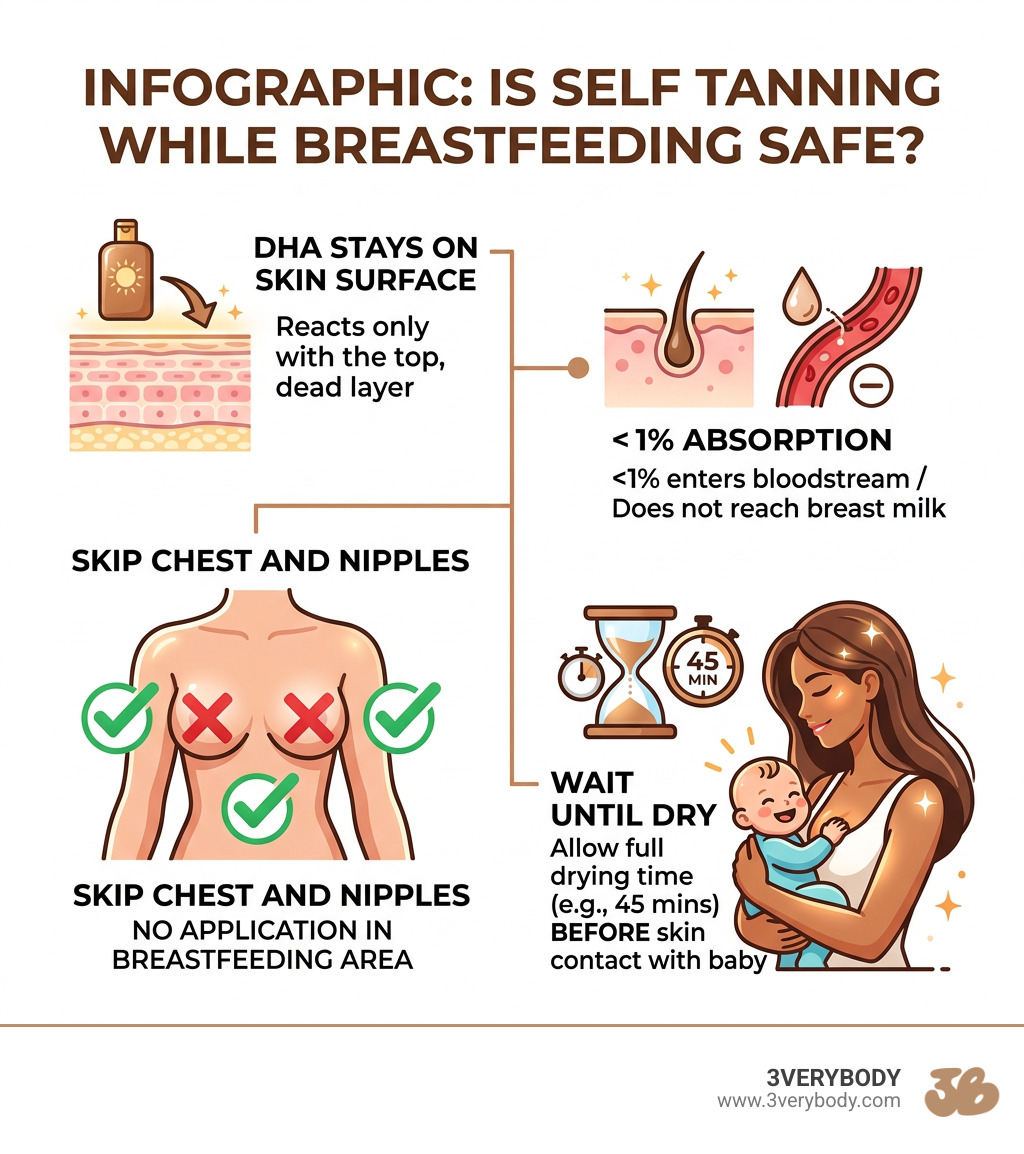
The main active ingredient in most self-tanners is DHA (dihydroxyacetone), a naturally derived compound that reacts only with the outermost layer of dead skin cells. It doesn't penetrate into your bloodstream — and it doesn't reach your breast milk. The key precautions are simple: avoid your breast and nipple area, wait for the product to dry before skin-to-skin contact with your baby, and choose a clean, quick-dry formula.
That said, there's a lot of conflicting information out there. Some sources are overly cautious. Others wave away every concern. The truth sits somewhere practical in the middle — and that's exactly what this guide covers.
I'm Emmy Bre, founder of 3VERYBODY, and after a decade of testing nearly every self-tanner on the market before developing our own clean, water-light formula, I know how overwhelming ingredient labels and safety questions can feel — especially when you're also navigating self tanning while breastfeeding. Let's cut through the noise and get you glowing safely.
Common self tanning while breastfeeding vocab:
Is Self Tanning While Breastfeeding Safe?
When you’re a new mom, your Google search history is basically a list of "Is [X] safe for my baby?" We get it. Between the sleepless nights and the constant feeding, you just want to feel like yourself again. For many of us, that means having a healthy, sun-kissed glow.
The short answer is yes, self tanning while breastfeeding is considered safe by most health experts and lactation consultants. The reason lies in how self-tanner actually works. Unlike a tan from the sun or a tanning bed (which we definitely recommend avoiding), a sunless tan doesn't involve UV rays or deep-reaching chemicals.
The primary concern for nursing mothers is whether the active ingredients can enter the bloodstream and, subsequently, the breast milk. According to the FDA, dihydroxyacetone (DHA) is approved for external application to the skin. Because it only interacts with the dead skin cells on the surface, the risk of it reaching your milk supply is effectively zero.
We always suggest checking out is self-tanning safe for a deeper dive into general safety, but for nursing moms, the "safety" part is mostly about external contact rather than internal absorption.
Understanding DHA and Your Milk Supply
DHA is the magic behind the bronze. It’s a simple sugar, often derived from sugar beets or cane, that reacts with the amino acids in your skin's protein (the Maillard reaction). This reaction creates a brown pigment called melanoidin.
Here is the science that will help you sleep better (if the baby lets you):
- Surface Level Only: DHA only affects the stratum corneum—the very top layer of dead skin cells.
- Minimal Absorption: Laboratory models suggest that less than 1% of DHA is absorbed into the bloodstream when applied topically.
- Milk Safety: Because such a tiny amount reaches the blood, it is not expected to reach the breast milk in any significant way.
Research from MotherToBaby confirms that while studies specifically on nursing mothers are limited, the low absorption rate makes it highly unlikely to pose a risk to a breastfeeding infant.
Why Water-Light Formulas Win for Moms
If you’ve ever used a traditional self-tanning product, you know the drill: you’re sticky for hours, you smell like a digestive biscuit, and you’re terrified to sit on your sofa. When you have a baby, that "sticky" phase is a dealbreaker. You need to be able to pick up your little one at a moment's notice.
This is why we created our Tinted Tanning Water (our Life Proof Tan). Unlike heavy, thick formulas that sit on the skin and feel tacky, our water-light formula absorbs almost instantly.
- Quick-Dry: It dries in minutes, not hours.
- Non-Sticky: No more feeling like a piece of flypaper.
- Sheet-Safe and Baby-Safe: Once it’s dry, it’s transfer-resistant. This means you won’t leave tan marks on your baby’s onesie or your nursing pillow.
A thinner, water-light layer blends cleaner and looks more natural on every skin tone, from very fair to deep. Plus, it’s enriched with argan oil and cucumber oil to keep your skin hydrated—something every postpartum body needs.
Best Practices for Self Tanning While Breastfeeding
Safety is one thing, but logistics are another. How do you actually apply a tan when you have a tiny human attached to you half the day? It comes down to a few smart "mom hacks."
Nipple Protection and the "No-Tan Zone"
The most important rule of self tanning while breastfeeding is to skip the chest and nipple area entirely. Even though the DHA won't harm the baby via your milk, you don't want your baby ingesting the product directly from your skin.
- The Barrier Method: If you're worried about accidental "over-spraying," apply a thick barrier cream (like a nipple balm or heavy moisturizer) to the areola and nipple before you start.
- Wear a Top: Many moms find it easiest to wear a strapless bandeau or a nursing bra they don't mind getting a little product on. This keeps the "feeding station" completely clear of tan.
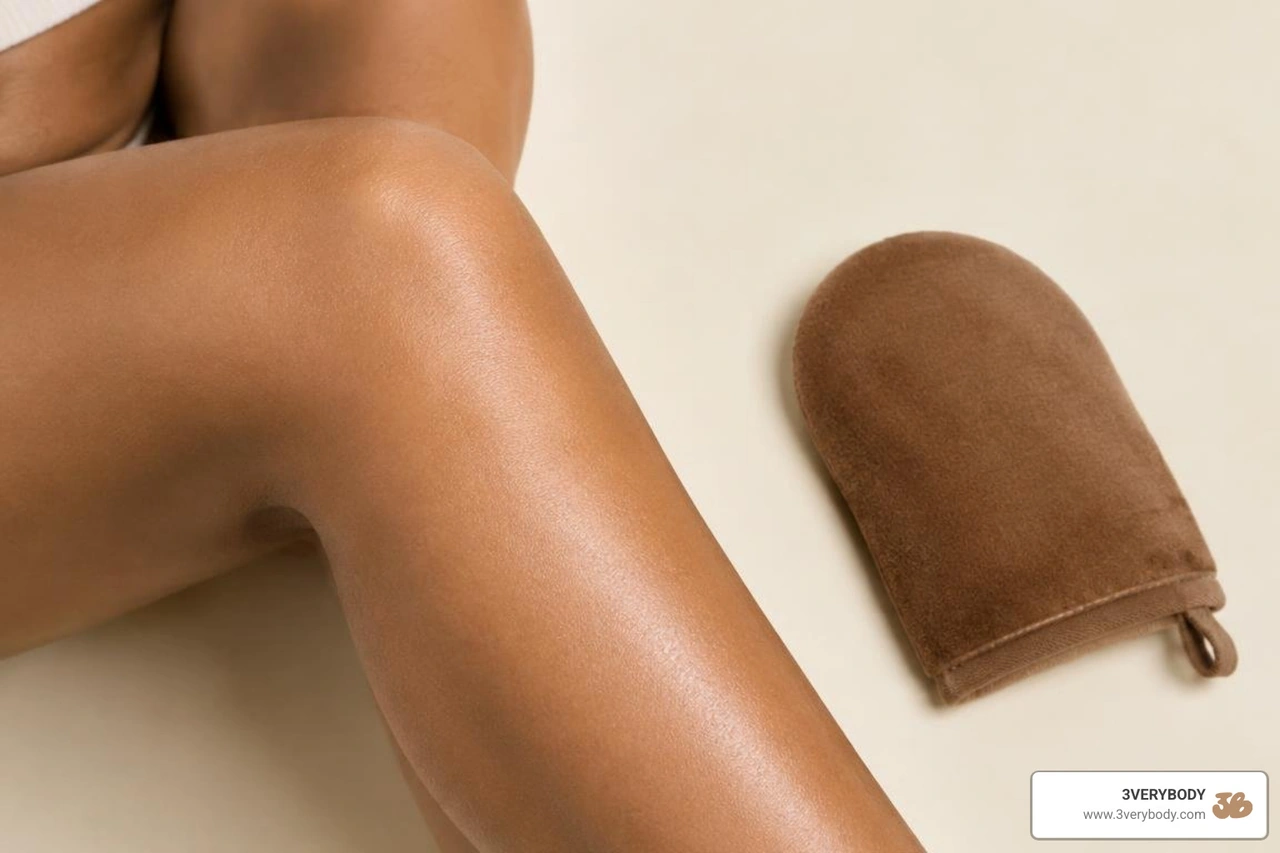
- The Mitt is Your Best Friend: Using our double-sided, washable Tanning Mitt gives you total control. Instead of spraying directly onto your chest, spritz the Tinted Tanning Water onto the Mitt and then apply it to your body, stopping well below the breast line.
For more tips on keeping your skin happy during this time, check out our guide on self-tan for sensitive skin.
Timing Your Application Around Feedings
Timing is everything. The best time to tan is right after a long "cluster feed" or once the baby has gone down for their first stretch of sleep at night.
- Feed First: Ensure the baby is full and satisfied.
- Apply: Use your 3VERYBODY Kit to get that even, streak-free glow.
- Dry Time: Give it at least 45 minutes to an hour of "me-time" to ensure it’s fully set.
- The Rinse: If you're using a product with a guide color, do a quick lukewarm rinse before your next feeding session. This removes any excess surface pigment that could rub off on the baby.
Our Life Proof Tan is designed to be sweat and transfer-resistant, but we still recommend a quick rinse if you’re planning on a long skin-to-skin snuggle session. If you have particularly reactive skin, look into hypoallergenic self-tan options to ensure you stay irritation-free.
Avoiding Accidental Ingestion
What happens if the baby does get a little tan on them? Don't panic. If your baby's face ends up with a little "bronze" from resting against your arm, it's usually just a cosmetic transfer.
However, babies have very sensitive skin and immature immune systems. We want to avoid them licking or sucking on tanned skin.
- Wash Your Hands: Always wash your palms and fingers thoroughly after applying. You don’t want to transfer tan to the baby while you’re burping them or changing a diaper.
- Watch the Face: Avoid applying tanning drops or water to your face if your baby spends a lot of time nuzzled against your cheek. If you do tan your face, wait until it's fully rinsed.
- Check Ingredients: Some traditional tanners contain high levels of Vitamin A derivatives or carotene. While great for some, high concentrations of Vitamin A can pass into milk. Stick to DHA-based waters like 3VERYBODY. You can find more on Vitamin A and breastfeeding in clinical research databases.
Ingredients to Watch and Methods to Avoid
Not all "tans" are created equal. While sunless tanning is a go, other methods are a hard "no" for nursing moms.
| Feature | Sunless Tanning (3VERYBODY) | UV Tanning Beds |
|---|---|---|
| Active Method | DHA reaction with surface cells | UV Radiation |
| Bloodstream Risk | <1% absorption | High (Skin damage/DNA changes) |
| Milk Supply Impact | None reported | None, but can cause nipple burns |
| Nutrient Impact | None | Degrades folic acid in blood |
| Cancer Risk | None | Increases melanoma risk by 20% per session |
Why Tanning Beds are Risky Now:Beyond the obvious cancer risks, UV exposure can actually degrade folic acid in your blood. While this is most critical during pregnancy, keeping your nutrient levels stable is vital for postpartum recovery too. Plus, many moms report painful nipple burns from tanning beds, which can make breastfeeding excruciating.
Ingredients to Skip:
- Retinoids/Retinol: Often found in "anti-aging" tanners; best to avoid while nursing unless cleared by a doctor.
- Salicylic Acid: High concentrations should be avoided.
- Synthetic Fragrances: These can irritate a baby's sensitive nose and skin. 3VERYBODY is designed to be clean and non-irritating.
- Spray Booths: The main risk here is inhalation. If you do get a professional spray tan, wear a mask to ensure you aren't breathing in the DHA mist, which is not approved for mucous membrane exposure.
How to Achieve a Streak-Free Glow at Home
You don't need a salon to get a professional result. In fact, doing it at home is often easier for moms because you can work around your own schedule.
The 3VERYBODY Kit is our "holy grail" for busy moms. It includes everything you need for a non-orange, transfer-proof tan that works on every skin tone.
Step 1: PrepExfoliate 24 hours before you plan to tan. Use a simple scrub or an exfoliating mitt to get rid of dead skin. This ensures your tan lasts longer and fades evenly.
Step 2: The Water-Light ApplicationSpritz our Tinted Tanning Water (Life Proof Tan) directly onto the Tanning Mitt. We use a blend of argan oil, cucumber oil, caffeine, and guarana extract to nourish the skin while it tans.
- Smooth the mitt over your skin in long strokes.
- Use gentle circles to blend.
- Leave your hands and feet for last, using only the leftover residue on the mitt for a natural look.
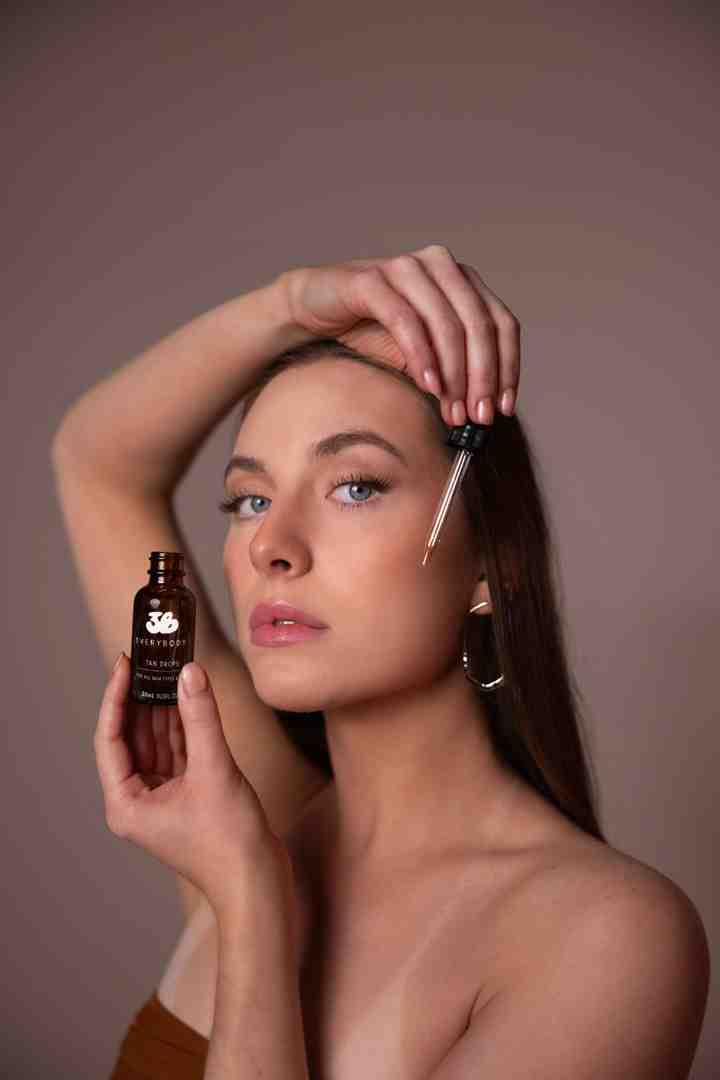
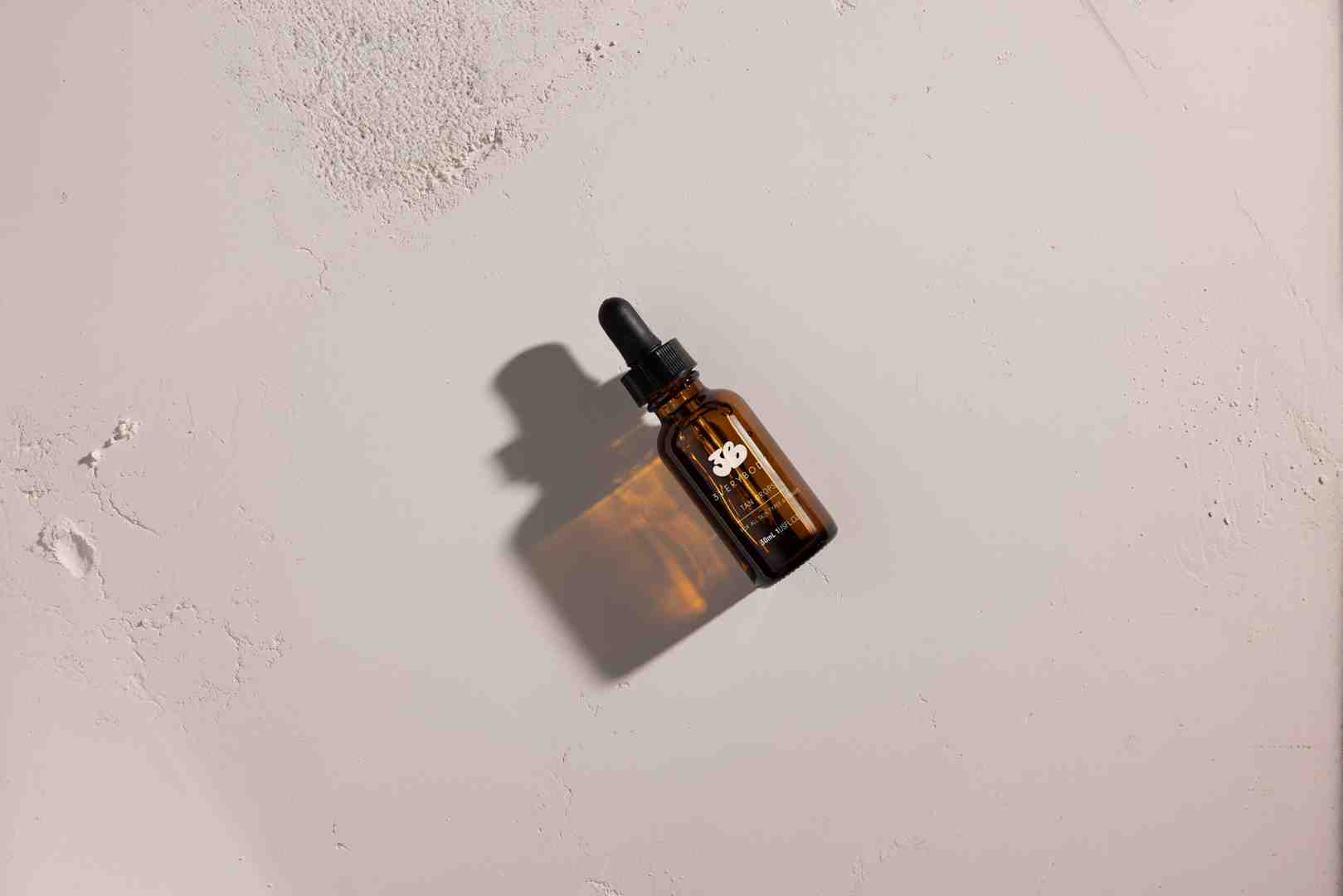
Step 3: Customize with DropsIf you want to maintain your glow between full-body tans, mix our Tanning Drops with your favorite daily moisturizer or serum. They’re packed with rosehip oil and cucumber extract. They are vegan, cruelty-free, and free from parabens, palm oil, and sulfates.
Step 4: Dry and GoWait a few minutes until you’re dry to the touch, then throw on loose clothes. You can go about your day (or night) without worrying about stickiness.
If you’re struggling with postpartum skin changes like eczema or dry patches, read more about the best self-tanner for sensitive or eczema-prone skin.
Frequently Asked Questions about Self Tanning While Breastfeeding
What if my baby accidentally touches my fresh tan?
If it happens before you've rinsed, don't worry. Gently wash the baby's skin with a warm, damp cloth and a little baby-safe soap. The most likely "side effect" is a small temporary stain on their skin. If they manage to get it in their mouth, contact your pediatrician for peace of mind, but since DHA is non-toxic and used in very low concentrations, it is generally not an emergency.
Are tanning drops safer than sprays for nursing moms?
Both are safe, but Tanning Drops offer more control. Since you mix them with your own moisturizer, there is zero risk of inhalation. If you use a spray or mist, just make sure you’re in a well-ventilated room and avoid spraying near the baby.
Should I consult my doctor before tanning?
While most doctors agree that topical DHA is safe, we always say: when in doubt, ask! Your GP or midwife knows your specific health history and can give you the green light. This is especially important if you had any skin complications during pregnancy, like chloasma (the "mask of pregnancy").
Conclusion
Being a mom is the hardest—and best—job in the world. Taking ten minutes for a "self-care glow" can make a world of difference in how you feel when you look in the mirror. By choosing the right products and following a few simple safety steps, self tanning while breastfeeding can be a worry-free part of your routine.
At 3VERYBODY, we’re proud to be a woman-owned, inclusivity-first brand. We’ve been approved by creators like HopeScope because our formulas actually do what they say: they provide a flawless, non-orange tan without the stickiness or the smell. Whether you’re using our Life Proof Tan, our customizable Tanning Drops, or our streak-free Tanning Mitt, you’re getting a product designed for every body and every stage of life.
Ready to get your glow back? Find answers to more tanning questions or grab your 3VERYBODY Kit today. You deserve to feel like a glowing goddess, mama!