Why Understanding All Skin Types is the Secret to Healthy Skin
Building a daily skincare routine that actually works starts with understanding that not all skin types behave the same way. When you use products designed for your specific complexion, you support your natural skin barrier and avoid irritation.
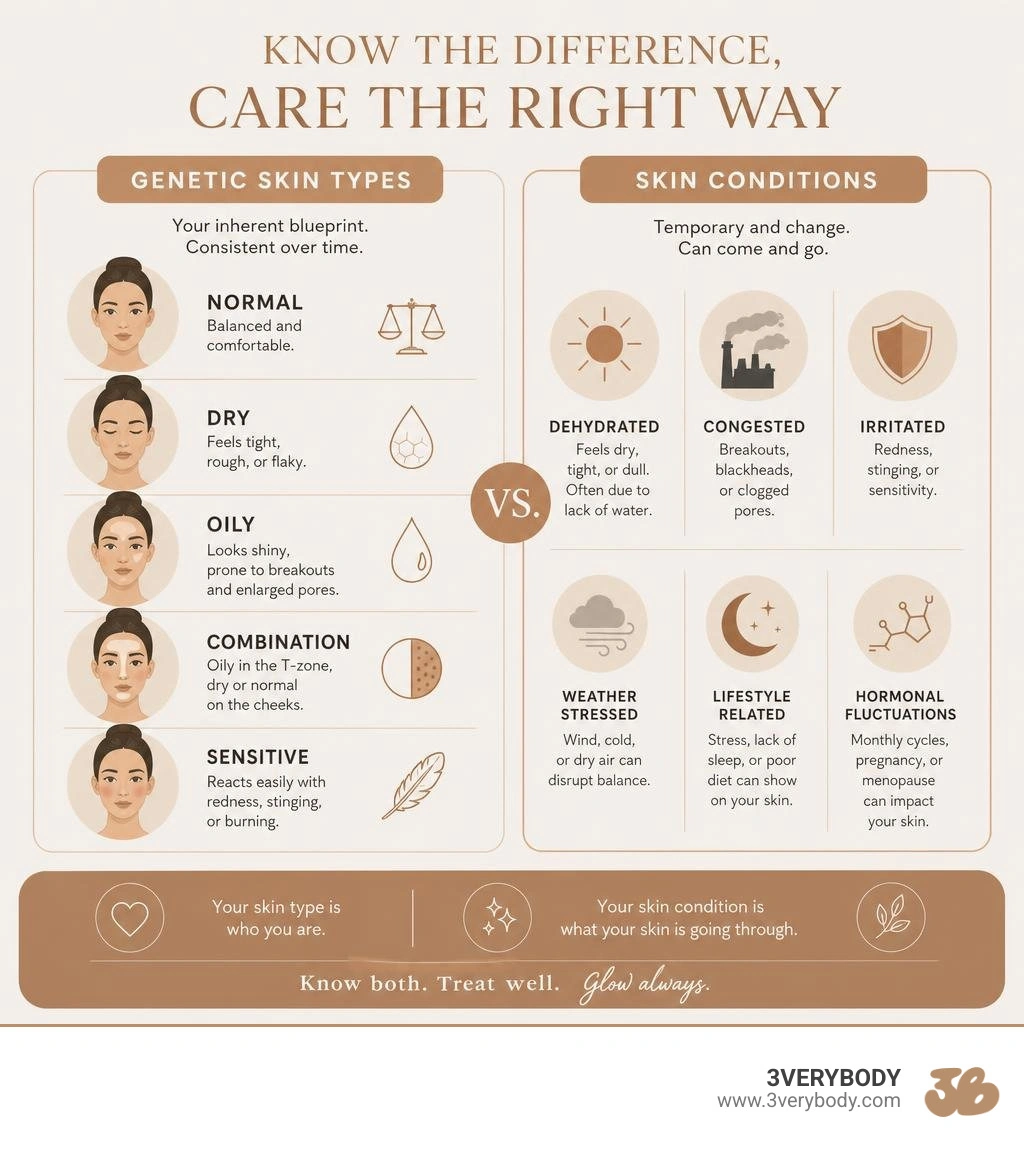
If you are trying to quickly identify yours, here is how the five main skin types behave:
- Normal: Feels comfortable and balanced—neither too dry nor too oily.
- Dry: Feels tight, rough, or flaky because it lacks natural lipids and oils.
- Oily: Looks shiny all over and is prone to enlarged pores and frequent breakouts.
- Combination: Shows oiliness in the T-zone (forehead, nose, and chin) but dryness on the cheeks.
- Sensitive: Reacts easily with redness, stinging, or burning when exposed to certain formulas.
I'm Emmy Bre, the founder of 3VERYBODY, and I have spent years working alongside top chemists and dermatologists to study how ingredients behave across all skin types. After watching my own family battle skin cancer, I made it my life's mission to build a safe, inclusive brand that helps you achieve a healthy, comfortable glow without compromising your skin barrier.
Relevant articles related to all skin types:
Why Knowing Your Skin Type Matters for All Skin Types
Using skincare products without knowing your skin type is like trying to navigate a new city without a map. When you apply products that do not align with your skin's specific needs, you risk stripping your natural skin barrier. This barrier is your first line of defense against environmental stressors, bacteria, and moisture loss.
When your skin barrier is compromised, it can trigger a cascade of issues—excess oil production, intense flakiness, or painful irritation. Knowing your skin type helps you make smart decisions about product selection and cosmetic compatibility. This is especially true when it comes to body care and cosmetics. For instance, understanding how different skin textures absorb active ingredients helps you choose formulas that cooperate with your skin rather than work against it.
We believe that a healthy, radiant finish should be accessible to everyone. By learning about your skin's unique behavior, you can choose products that honor your natural complexion. To dive deeper into how different skin tones and types interact with beauty products, check out our guide on Inclusive Skin Tone Skin Type Tans and explore WebMD's overview on What's Your Skin Type?.
The Five Main Skin Types Recognized by Dermatologists
Dermatologists officially recognize five primary skin types. Your specific skin type is largely determined by genetics, which dictate your baseline sebum (oil) production and how well your skin retains moisture. However, internal factors like hormones and external factors like climate, pollution, and your daily environment also play a significant role in how your skin behaves day-to-day.
Understanding these biological baselines is key to choosing the right care. As highlighted by Eucerin's clinical research on About skin | Skin types and conditions - Eucerin, your skin type is a permanent genetic trait, whereas your skin "condition" can fluctuate based on lifestyle and weather.
Normal Skin: The Balanced Baseline for All Skin Types
In the scientific community, healthy, well-balanced skin is referred to as "eudermic." If you have normal skin, your sebum production and moisture levels are in harmony.
- Characteristics: Your skin feels comfortable, smooth, and has a radiant complexion with minimal blemishes and fine pores. It is neither consistently shiny nor uncomfortably tight.
- Care: Even though normal skin is naturally balanced, it still requires daily maintenance to help support its barrier. A simple routine using a gentle cleanser and a lightweight hydration barrier support, like Daily Moisturizing Lotion | CeraVe, helps keep normal skin functioning at its best.
Dry Skin vs. Dehydrated Skin
Dry skin (clinically known as Xerosis) is a skin type characterized by a lack of natural lipids (oils). This is different from dehydrated skin, which is a temporary skin condition caused by a lack of water. Dry skin accounts for roughly 40% of all visits to dermatologists, making it one of the most common skin concerns globally.
- Characteristics: Without enough lipids, your skin struggles to retain moisture, leading to a high rate of trans-epidermal water loss (TEWL). This causes the skin to feel tight, rough, itchy, or flaky, and it may take on a grayish or ashy hue on deeper skin tones.
- Care: Dry skin requires rich, cream-based moisturizers containing ceramides and fatty acids to help support moisture retention. When applying cosmetics or self-tanners, dry patches can absorb product unevenly. To learn how to manage this, read our Dry Skin Self Tanner Guide and the Self Tanner Dry Skin Ultimate Guide.
Oily Skin and Acne-Prone Complexions
Oily skin is characterized by seborrhea, which is the overproduction of sebum by the skin's sebaceous glands.
- Characteristics: This skin type typically features a persistent shine, visible or enlarged pores, and a higher tendency toward acne, blackheads, and blemishes. On the bright side, the American Academy of Dermatology notes that the natural oils in oily skin can help keep it looking younger and support fewer visible wrinkles over time.
- Care: Oily skin still needs hydration. If you skip moisturizer, your skin can become dehydrated, which triggers it to produce even more sebum to compensate. Look for lightweight, oil-free, and non-comedogenic formulas. If you struggle with breakouts, check out our guides on Self Tanner For Acne and how to choose a Non Comedogenic Self Tanner.
Combination Skin: Managing the T-Zone
Combination skin is exactly what it sounds like—a mix of different skin behaviors on different areas of your face.
- Characteristics: Typically, you will experience an oily T-zone (the forehead, nose, and chin) due to a higher concentration of active oil glands, while your cheeks remain normal or dry.
- Care: Managing combination skin requires a targeted approach. You might use lightweight, gel-based moisturizers on your T-zone to control shine, and richer creams on your cheeks to relieve tightness. Multi-masking—using a clay mask on oily areas and a hydrating mask on dry patches—is also highly useful.
Sensitive Skin: Reactivity Across All Skin Types
Unlike other skin types, sensitive skin is not determined by how much oil your skin produces. Instead, it is a measure of skin reactivity. Sensitive skin can accompany any of the other four skin types (for example, you can have dry-sensitive or oily-sensitive skin).
- Characteristics: Sensitive skin has a fragile outer barrier that reacts easily to environmental triggers, synthetic fragrances, and harsh chemicals. This leads to redness, stinging, burning, or dry patches.
- Care: Keep your routine simple and rely on fragrance-free, hypoallergenic formulas. When looking for a sunless glow, choose products designed to minimize irritation. Read our resources on Self Tan Sensitive Skin, the Self Tanner Sensitive Skin Guide, our top picks Best For Sensitive Skin, and how to select a Hypoallergenic Self Tan.
How to Identify Your Skin Type at Home
You do not need an expensive clinical consultation to figure out your skin type. You can easily perform a bare-faced observation at home using the "watch and wait" method or the blotting sheet method.
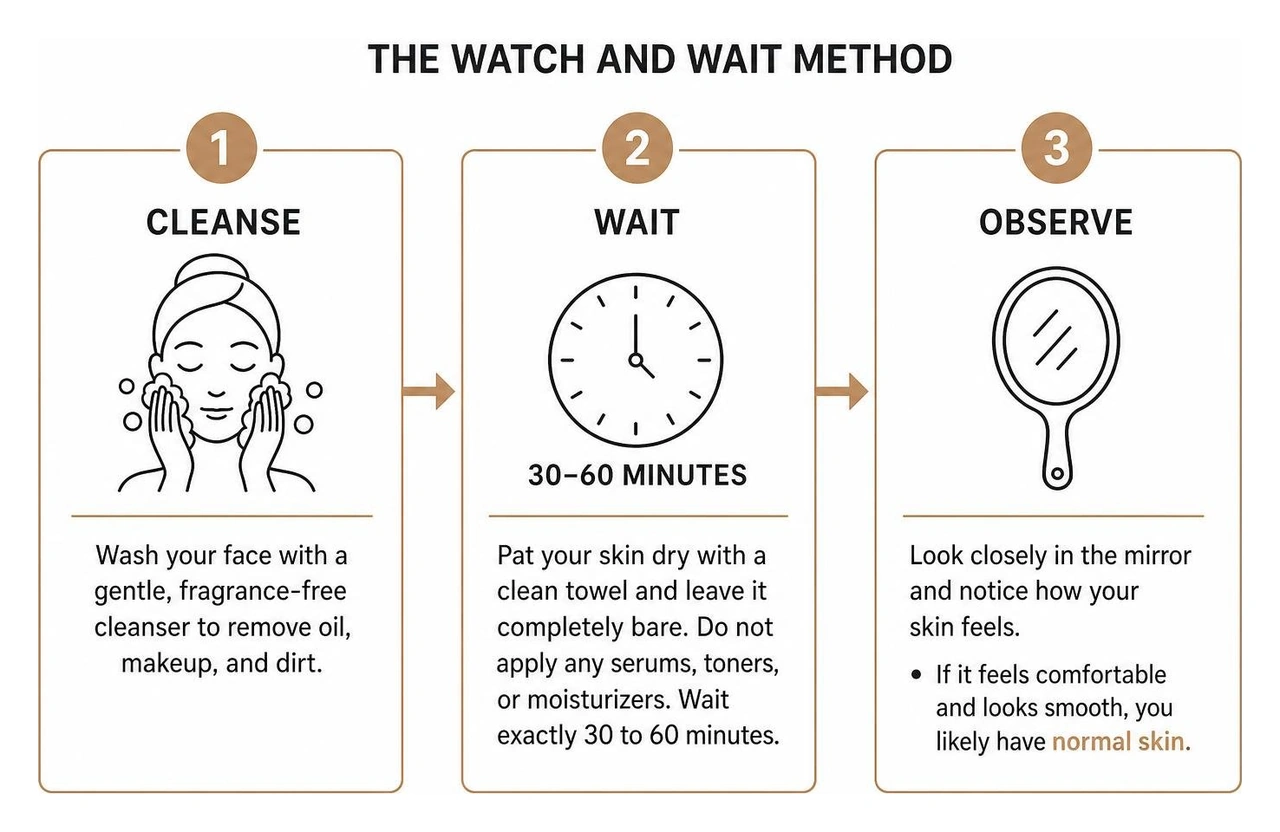
The Watch and Wait Method
- Cleanse: Wash your face with a gentle, fragrance-free cleanser to remove oil, makeup, and dirt.
- Wait: Pat your skin dry with a clean towel and leave it completely bare. Do not apply any serums, toners, or moisturizers. Wait exactly 30 to 60 minutes.
- Observe: Look closely in the mirror and notice how your skin feels:
- If it feels comfortable and looks smooth, you likely have normal skin.
- If it feels tight, parched, or shows flaky patches, you have dry skin.
- If your entire face looks shiny and greasy, you have oily skin.
- If your forehead, nose, and chin are shiny but your cheeks feel tight, you have combination skin.
- If your skin is red, itchy, or stinging, you have sensitive skin.
The Blotting Sheet Method
Press clean blotting papers against different areas of your face (forehead, nose, cheeks, and chin) after waiting 30 minutes post-cleansing. Hold the sheets up to the light. If the sheets picked up oil from all areas, your skin is oily. If they only show oil from your T-zone, you have combination skin. If there is little to no oil, your skin is dry or normal.
For more expert tips on self-diagnosis, check out CeraVe's guide on How To Identify Your Skin Type, According To A Dermatologist.
The 6 Basic Skincare Steps for Every Routine
No matter where your skin falls on the spectrum, a consistent daily routine helps preserve your skin barrier. Here are the six basic steps that apply to all skin types:
| Step | Action | Purpose | Best Practice |
|---|---|---|---|
| 1 | Cleanse | Removes dirt, oil, and impurities without stripping the skin. | Wash oily skin no more than twice a day; use gentle, non-stripping cleansers. |
| 2 | Tone | Restores skin pH and preps the face for active ingredients. | Choose alcohol-free, hydrating toners. |
| 3 | Treat | Delivers targeted active ingredients (serums) deep into the skin. | Use hyaluronic acid for hydration or niacinamide for redness. |
| 4 | Moisturize | Seals in hydration and supports the natural lipid barrier. | Apply immediately after cleansing while skin is damp. |
| 5 | Protect | Defends against UV rays, which cause premature aging and dryness. | Apply a broad-spectrum SPF of 30 or higher daily, rain or shine. |
| 6 | Exfoliate | Gently removes dead skin cells to encourage cell turnover. | Limit to 1–3 times a week depending on your skin’s tolerance. |
Choosing the Right Products for Your Unique Skin
When selecting products, read the ingredient list carefully. Look for barrier-supporting ingredients like hyaluronic acid (for water retention), ceramides (to rebuild the lipid barrier), and niacinamide (to soothe redness and even out skin tone).
Here are some highly regarded, dermatologist-recommended products designed to support your skin:
- For Sensitive Skin: Vanicream™ Enhanced Moisturizer Sensitive Skin is a silky, lightweight option that is free of common chemical irritants, botanical extracts, and essential oils.
- For Gentle Daily Hydration: Ultra Gentle Daily Face & Body Moisturizing Cream, 11 oz uses CICA (Centella Asiatica) and Pro-Vitamin B5 to soothe dry, reactive skin without leaving a heavy residue.
- For All-Over Body Care: Pure Moisture Daily Body & Face Lotion \| Gold Bond® provides a non-greasy, 24-hour moisture barrier with five essential ceramides.
- For Lightweight Sun Protection: Hyper Daily Invisible for All SPF 50 Sun Drops – Hyper Skin offers a serum-like, invisible finish that leaves zero white cast on deeper skin tones.
- For a Dewy, Daily Glow: Universal Tinted Moisturizer SPF 46 – allurescosmetics combines physical and chemical UV filters with a self-adjusting sheer tint that enhances your natural complexion.
Frequently Asked Questions About Skin Types
Can your skin type change over time?
Yes. Your skin is dynamic and changes as you age. Younger people are statistically more likely to have normal or oily skin, while older individuals naturally produce less sebum, leading to drier skin. Environmental factors, climate shifts, hormonal changes (like pregnancy or menopause), and lifestyle habits like smoking or diet also cause your skin's behavior to evolve.
Does oily skin still need a daily moisturizer?
Absolutely. Oily skin can easily become dehydrated (lacking water). When you skip moisturizer, your skin tries to compensate for the dehydration by overproducing sebum, which can lead to clogged pores and breakouts. The key is to use oil-free, lightweight water-gel textures that hydrate without adding excess oil.
How does dry skin affect self-tanner application?
Dry skin tends to absorb self-tanning products much faster than hydrated skin, which can cause the color to pool in dry patches, resulting in an uneven, patchy finish.
To help prevent this, proper skin preparation is essential. We recommend exfoliating with an oil-free scrub and shaving at least three hours before tanning. When you apply your product, leave dry areas like hands, feet, elbows, and knees for last, blending over them lightly with the clean side of The Mitt.
Using water-light formulas rather than heavy creams or thick lotions also helps. A thinner, water-light layer blends easily, is quick-drying, and looks natural across different skin tones. For a comprehensive look at how to get a streak-free finish, check out our Best Self Tanner Guide 2026.
Conclusion
Understanding your skin type is the ultimate act of self-care. It allows you to feed your skin exactly what it needs, keeping your natural barrier strong, balanced, and radiant.
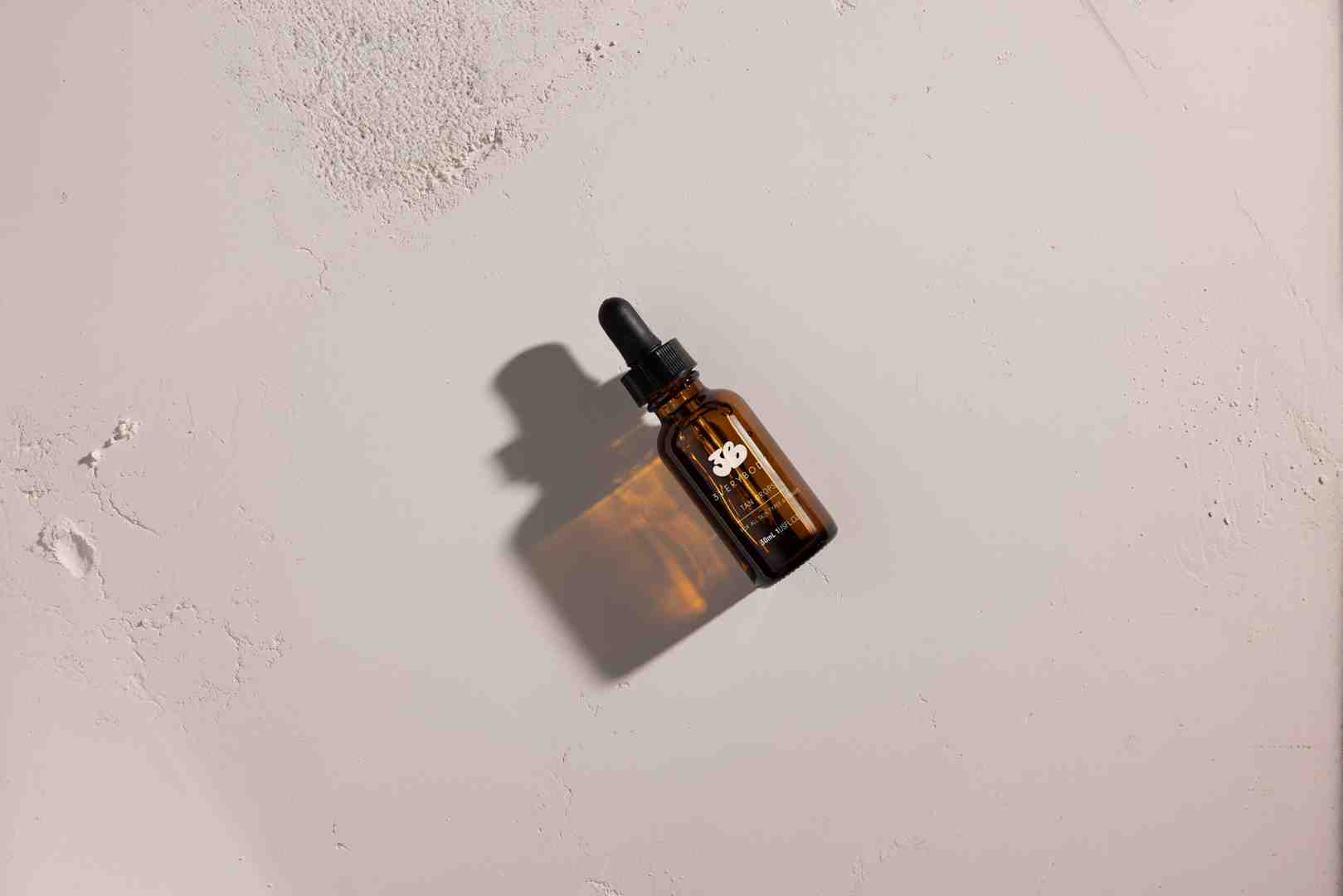
At 3VERYBODY, we believe that beauty routines should be simple, comfortable, and inclusive. That is why we designed our water-light, quick-drying formulas to work beautifully on all skin types and tones.
Whether you want to customize your daily hydration with our soothing Tanning Drops—infused with rosehip oil and cucumber extract—or enjoy a sweat-resistant, transfer-resistant finish with our Life Proof Tan (Tinted Tanning Water), we have designed our products to support your skin's natural health. No heavy creams, no stickiness—just clean, vegan, and cruelty-free ingredients that help you feel comfortable in your own skin.