What to Know Before Choosing a Self Tanner for Eczema
Eczema means your skin barrier is sensitive and loses moisture easily. When that barrier is irritated, outside ingredients can sink in and cause sudden redness, itching, or stinging. Your skin status matters: tan only when your skin feels calm, intact, and comfortable. Reading our self tan sensitive skin guide is a great starting point for understanding how delicate skin reacts to sunless products, especially if your routine already needs extra care.
Before trying any product on your body, test it on a small area. Dab a tiny bit on your inner arm and wait a day or two. Keep the area dry and do not layer new actives over it. If you see bumps, burning, swelling, or redness, skip the product and let your skin settle. Finding a self tanner for eczema is less about chasing a perfect shade and more about choosing a formula that respects your barrier.
Understanding DHA and Compromised Skin
Dihydroxyacetone, or DHA, is the active ingredient in most sunless tanners. It reacts with the top layer of dead skin cells to create a tan. The U.S. Food and Drug Administration has approved DHA for use on the outside of the body, but not on the lips, around the eyes or on mucous membranes.
The browning reaction can leave your skin feeling dry. Because dry patches hold more product, rough eczema spots can soak up extra color and look uneven. Orange tones usually come from overapplication, dry skin, poor prep, or choosing a shade too deep for your starting skin tone. Our answer on eczema-friendly self tanner formulas covers what to look for on the label.
Ingredients to Avoid in a Self Tanner for Eczema
Reactions don't always come from DHA. Extra ingredients in the formula, especially added fragrance, are often what bother reactive skin.
When reading labels, keep an eye out for these potential irritants:
- Synthetic Fragrance and Perfume: These are leading culprits for contact dermatitis.
- Drying Alcohols: Denatured alcohol and ethanol pull natural moisture out of the barrier.
- Harsh Preservatives: Preservatives like methylisothiazolinone or Kathon CG can cause intense flares on broken skin.
- Strong Essential Oils: Citrus oils, lavender, and peppermint can sting sensitive areas.
Looking for hypoallergenic self tan alternatives helps you find simpler formulas that skip common triggers. Also look for plain language on the label: fragrance free, paraben free, sulfate free, vegan, and cruelty free. Simple just means fewer extras for reactive skin to argue with. One more note: eczema is personal. A formula that feels easy for one person may bother another, so patch testing still matters even with gentle ingredients. If you use prescriptions or have frequent flares, ask your dermatologist where self tanner fits in your routine before applying it to a larger area or before a special event day.
How to Safely Prepare and Apply Sunless Tanner
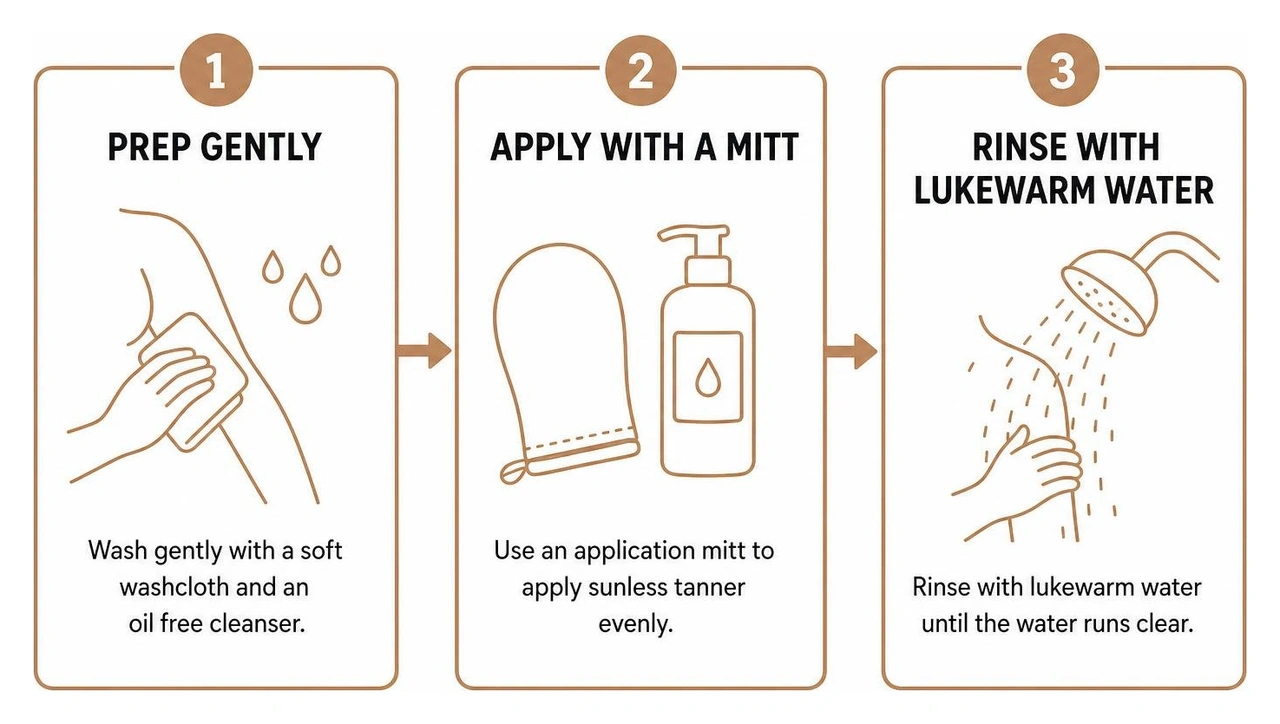
Good preparation makes all the difference when your skin is reactive. Never use stiff brushes, aggressive scrubs, or strong chemical peels over eczema prone areas. If your skin is calm, exfoliate lightly with an oil-free scrub or a soft washcloth and shave at least three hours before tanning. Wash with an oil-free cleanser, then let skin cool down.
Moisture timing is essential. Apply your favorite rich, fragrance-free body lotion the night before or earlier in the day. Avoid lotion immediately before applying tanner, because heavy creams can create a barrier that causes streaks. If you have small dry spots on elbows or knees, pat on only a very light layer and let it sink in completely before you begin.
Step by Step Application for Sensitive Skin
When you are ready to apply your tan, work slowly and use gentle tools:
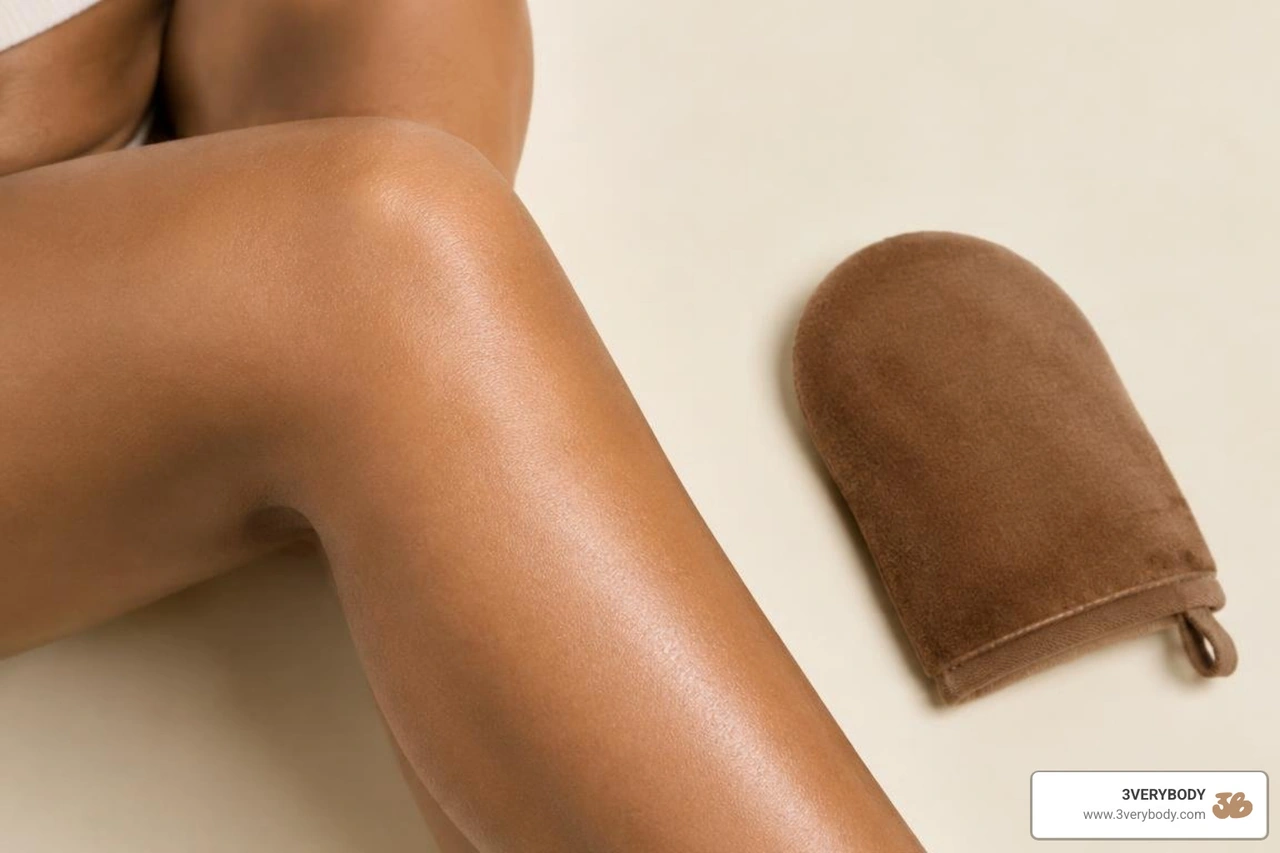
- Use an Application Mitt: Tanning Mitt is plush, double-sided, washable, and designed for even control without acting like an exfoliating or removal tool.
- Dispense Over a Sink: If you use an 8 oz spray like Life Proof Tan, spray it directly onto the mitt over a sink rather than spraying straight onto your body.
- Glide in Circular Motions: Start at your legs and work your way up your torso, smoothing in long strokes with gentle circles.
- Go Light on Dry Areas: Use only leftover product from the mitt on knees, ankles, elbows, and any rough patch.
- Finish Hands and Feet Last: Do hands last and blend them with the dry side of the mitt. Feather feet lightly too.
- Clean Special Spots: Right after you apply, wipe a damp Q-tip over light-colored tattoos and dark spots to lift a little tanner.
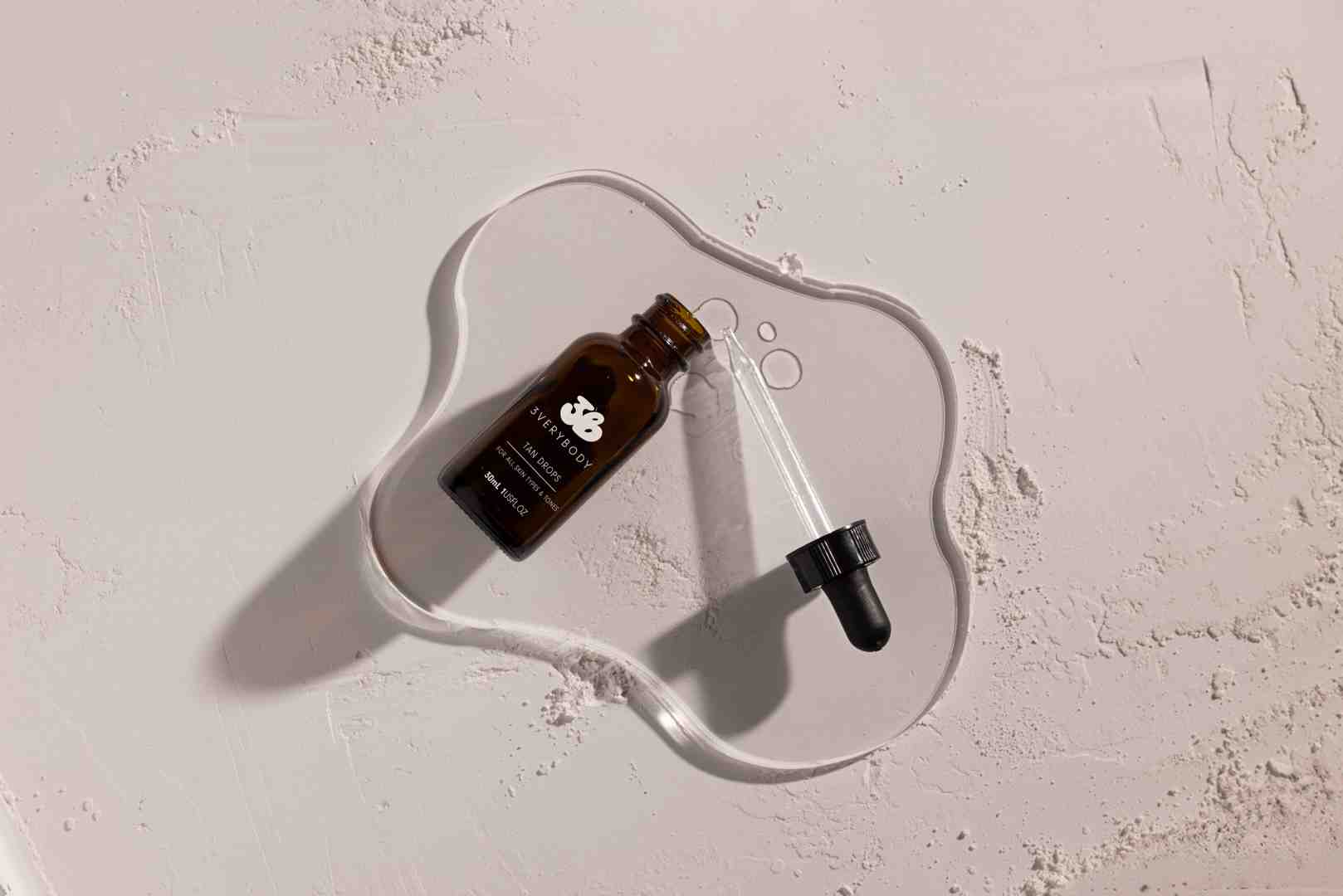
If you prefer building a soft glow gradually, exploring tanning drops for sensitive skin is an easy way to control your color. During development, avoid sweat, water, tight clothing, and friction so the color can set as evenly as your skin allows.
Best Formula Formats: Finding the Right Self Tanner for Eczema
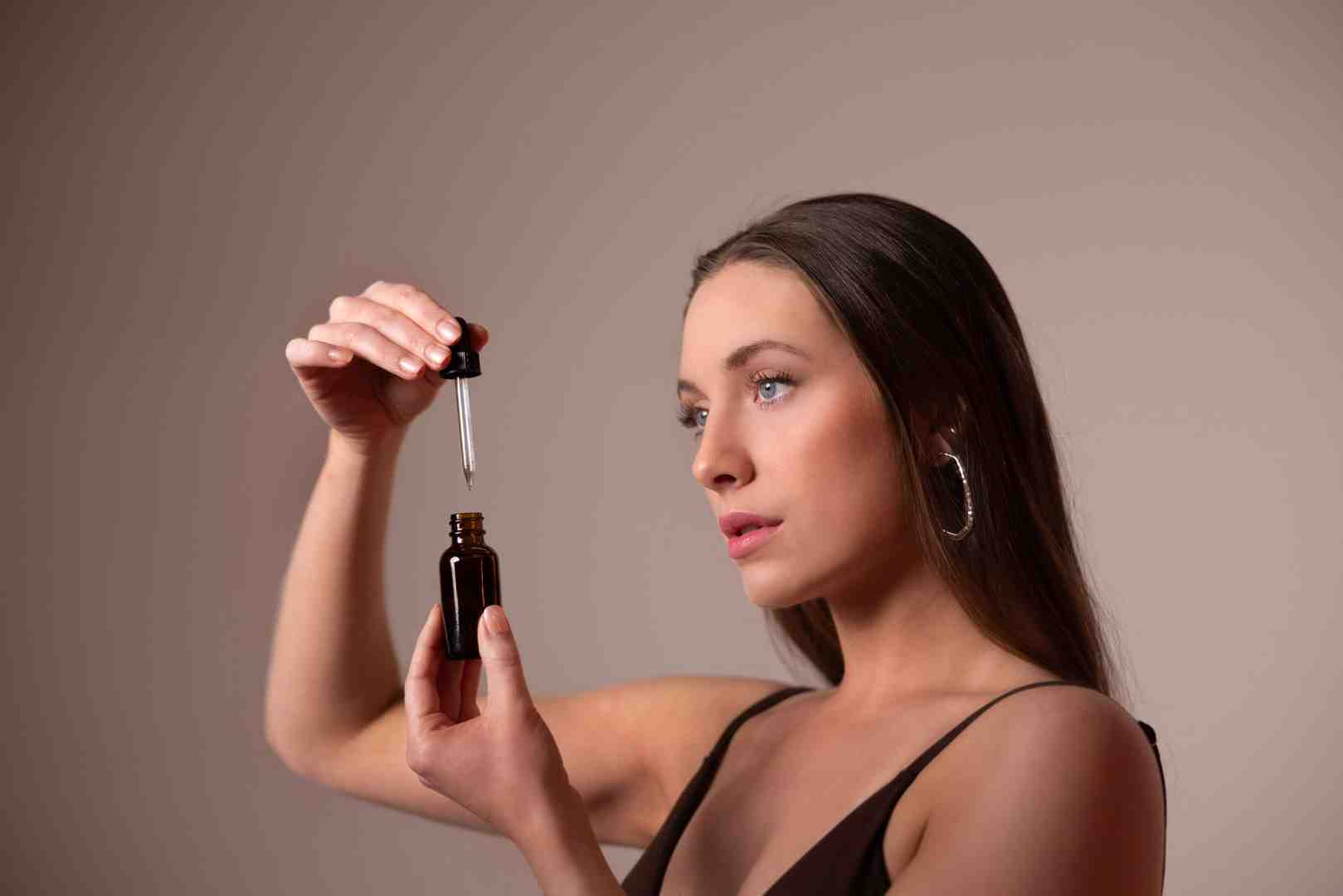
Different formats work better for different routines. Mixing concentrated drops into your daily cream lets you keep your proven moisture routine intact while adding color.
| Formula Format | How It Works | Best For | Application Tip |
|---|---|---|---|
| Tanning Drops | Mix two to four drops for face or four to six drops per body part into moisturizer | Sensitive or dry skin routines | Blend thoroughly in your palms before smoothing over skin |
| Water-Light Sprays | Lightweight liquid misted onto an application mitt | Quick-drying, non-sticky all-over color | Apply in long, sweeping circles starting from the feet up |
A water-based layer blends cleanly, feels lightweight, becomes touch-dry in a few minutes, and looks natural across fair to deep tones. Life Proof Tan is quick-drying, sweat-resistant, and designed for a super dark, natural-looking finish, with argan, avocado, rosehip and jojoba oils plus guarana. Tanning Drops focus on customizable face and body color with a lightweight feel, quick-drying wear, rosehip oil, and cucumber extract. Both formulas are vegan and free from parabens and sulfates, while Tanning Drops are also free from palm oil. For beginners, 3VERYBODY Kit brings it all together for salon-quality results at home: Life Proof Tan, Tanning Drops, Tanning Mitt, and a premium black drying towel. Keep expectations realistic: self tanner supports an even glow, but eczema texture and dryness can change how color develops slightly.
Post Tan Care and Flare Up Management
After applying your tan, wait at least one hour before rinsing, or leave it on overnight while you sleep for deeper color if your skin feels comfortable. During development, avoid sweat, water, tight waistbands, and heavy friction. When it is time to wash off the guide color, step into a lukewarm shower. Avoid hot water, body washes, soaps, and loofahs during this first rinse.
If your skin begins to itch, sting, or develop a rash, rinse the product off with cool water right away. Stop using the product and call your dermatologist, especially if the irritation doesn't settle. Avoid heavy scrubbing, hot showers, and drying cleansers between tans to reduce uneven fading too.
Frequently Asked Questions About Eczema and Self Tanning
Can self tanner cover eczema patches or pale marks?
Sunless tanners do not act like makeup concealers. Eczema can sometimes leave temporary light marks called post-inflammatory hypopigmentation. While a warm tan can soften the contrast between pale marks and surrounding skin, dry or rough patches may absorb extra DHA and turn darker. Keeping patches well moisturized ahead of time helps the tone look more balanced. Apply lightly over those spots, and never try to build color there with extra layers.
When should you avoid self tanning completely?
Do not use self tanners if you are experiencing an active eczema flare. Skip tanning whenever your skin has open cracks, raw spots, blisters, or weeping areas. Applying DHA or cosmetic ingredients to open skin can cause severe burning and increase the risk of contact allergies. Wait until your skin barrier is fully calm, intact, and healed before tanning. If you are unsure whether a patch is healed, wait longer or ask your dermatologist.
How long does sunless tan last on eczema prone skin?
A 3VERYBODY tan lasts about a week with proper care. Because eczema prone skin can shed surface cells unevenly, regular daily moisturizing is key to helping the color fade smoothly. Once the color fades, start fresh from square one with gentle prep. Do not keep layering new tanner over old patchy color; that can make dry areas look deeper than the rest of your skin. If you want a touch-up, rinse, moisturize, and wait until skin feels calm before reapplying lightly and evenly again next time.
Conclusion
You do not have to give up on a sun-kissed look just because you have sensitive skin. The safer path is simple: choose clean, fragrance-free products, patch test every new bottle, avoid active flares, prep gently, and keep your barrier moisturized. Self tanner is not a treatment for eczema, but it can be part of your routine when your skin is calm.
At 3VERYBODY, we create at-home tanning options designed for every skin type and tone. Life Proof Tan has no added fragrance, and both Life Proof Tan and Tanning Drops are vegan and free from parabens and sulfates. Check out Life Proof Tan for a sweat-resistant, quick-drying, natural-looking finish, or read our expert sunless tanning guides to find more routine tips. If you are new to self tanning, start light, use less on dry areas, and build color only after you know how your skin responds.
This post is general info, not medical advice. If you have a skin condition or you're unsure, talk to your dermatologist or doctor before trying a new product.