Why Does Your Skin Lose Its Sun-Kissed Color Faster in Fall and Winter?
To keep a natural-looking tan in fall and winter, focus on gentle prep, consistent barrier care, and buildable sunless products like hydrating tanning drops or a lightweight tinted tanning water. Reapply 1 to 2 times weekly, moisturize daily, and protect your skin from dry indoor heat so your color fades evenly instead of turning patchy.
As we move into the cooler months of late 2026, you might notice your summer bronze disappearing almost overnight. That sudden fade is not in your head—it comes down to the biology of your skin and how changing weather affects your moisture barrier.
Your skin naturally renews itself through an epidermal turnover cycle that takes roughly 28 days. Melanin—the pigment that gives your skin its sun-kissed tone—lives inside these outer surface cells. As new skin cells form below, older pigmented cells travel upward, dry out, and naturally shed away.
During fall and winter, environmental changes speed up this shedding process significantly:
- Plummeting Humidity: Crisp outdoor air holds far less moisture than warm summer air.
- Artificial Indoor Heat: Radiators and forced-air heating blast dry air into your home and workspace, pulling water directly out of your skin.
- Accelerated Water Loss: This combination spikes trans-epidermal water loss (TEWL), leaving your skin barrier compromised, parched, and flaky.
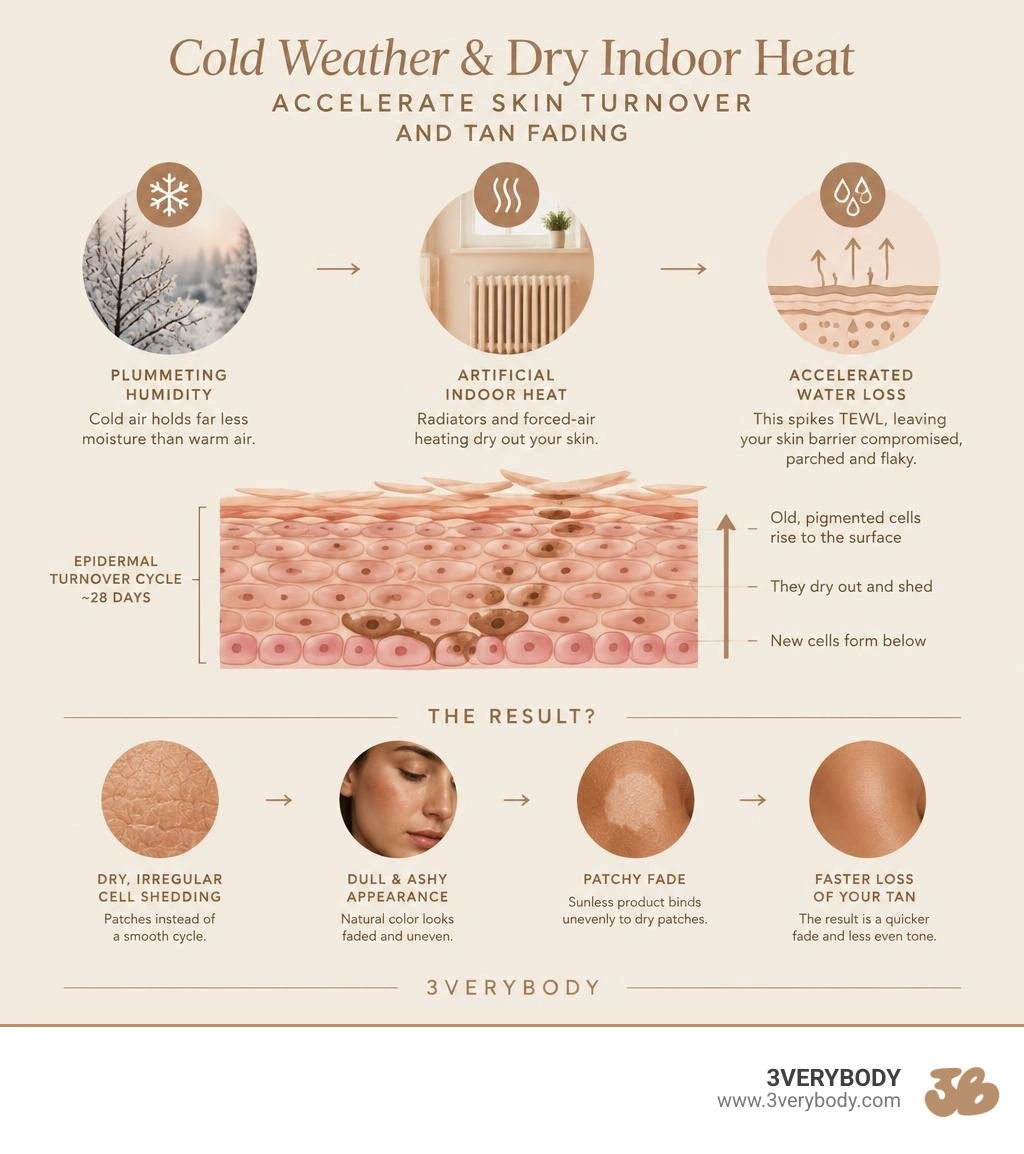
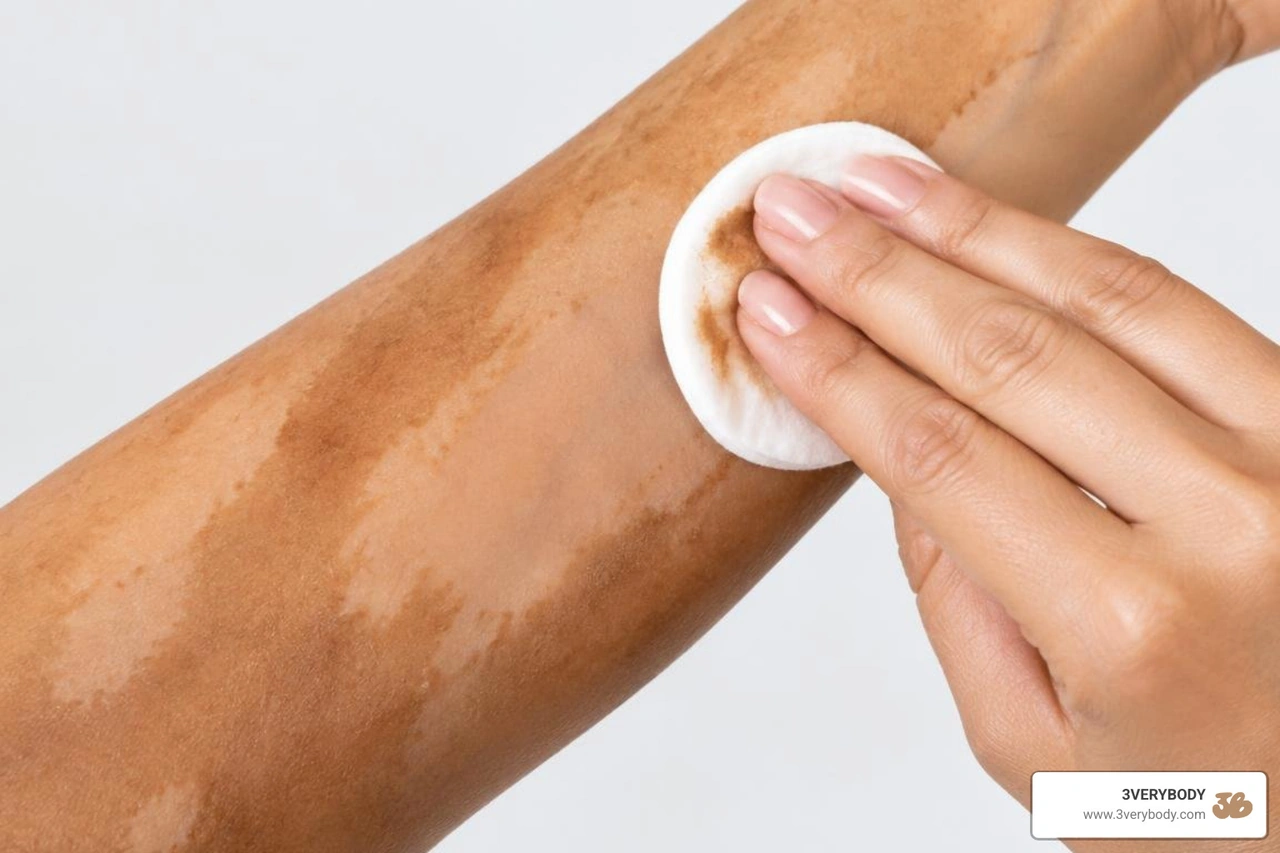
When your skin dries out, cell turnover becomes irregular. Parched surface skin sheds in uneven patches rather than a smooth cycle, causing natural color to look dull and ashy. If you apply a sunless product on top of dry patches, the DHA binds unevenly to concentrated dead skin cells, leading to rapid, patchy fading. So, how do I keep a natural-looking tan in fall and winter? It starts with understanding this seasonal shift and adjusting your routine to support your skin barrier.
What Is the Difference Between Maintaining a Glow and Preserving a Tan?
Understanding the distinction between a "glow" and a "tan" is the easiest way to keep your complexion looking effortless in cooler weather.
- A Tan refers strictly to pigment depth—either from melanin produced via sun exposure or from the active ingredient DHA (dihydroxyacetone) reacting with the surface amino acids of your skin.
- A Glow is a reflection of overall barrier health. When skin is smooth, deeply hydrated, and intact, its surface reflects ambient light evenly, giving you a fresh, luminous look regardless of your shade depth.
Trying to force a dark, mid-summer shade in the dead of winter rarely looks natural against soft winter sunlight and heavy cold-weather knitwear. Embracing a softer, golden warmth backed by healthy skin hydration creates a much more balanced result.
Choosing a hydrating self tanner helps nourish the skin barrier while developing subtle color, preventing that tight, dehydrated feel common in winter.
When building your cool-weather routine, look for formulas loaded with skin-supporting hydrators:
- Hyaluronic Acid & Glycerin: Powerful humectants that draw moisture deep into the epidermis.
- Ceramides & Squalane: Essential lipids that seal microscopic cracks in your moisture barrier.
- Argan Oil & Rosehip Oil: Nutrient-dense plant oils that soften rough texture and support supple skin without leaving a greasy film.
What Are the 5 Proven Methods to Maintain a Natural-Looking Tan Through Winter?
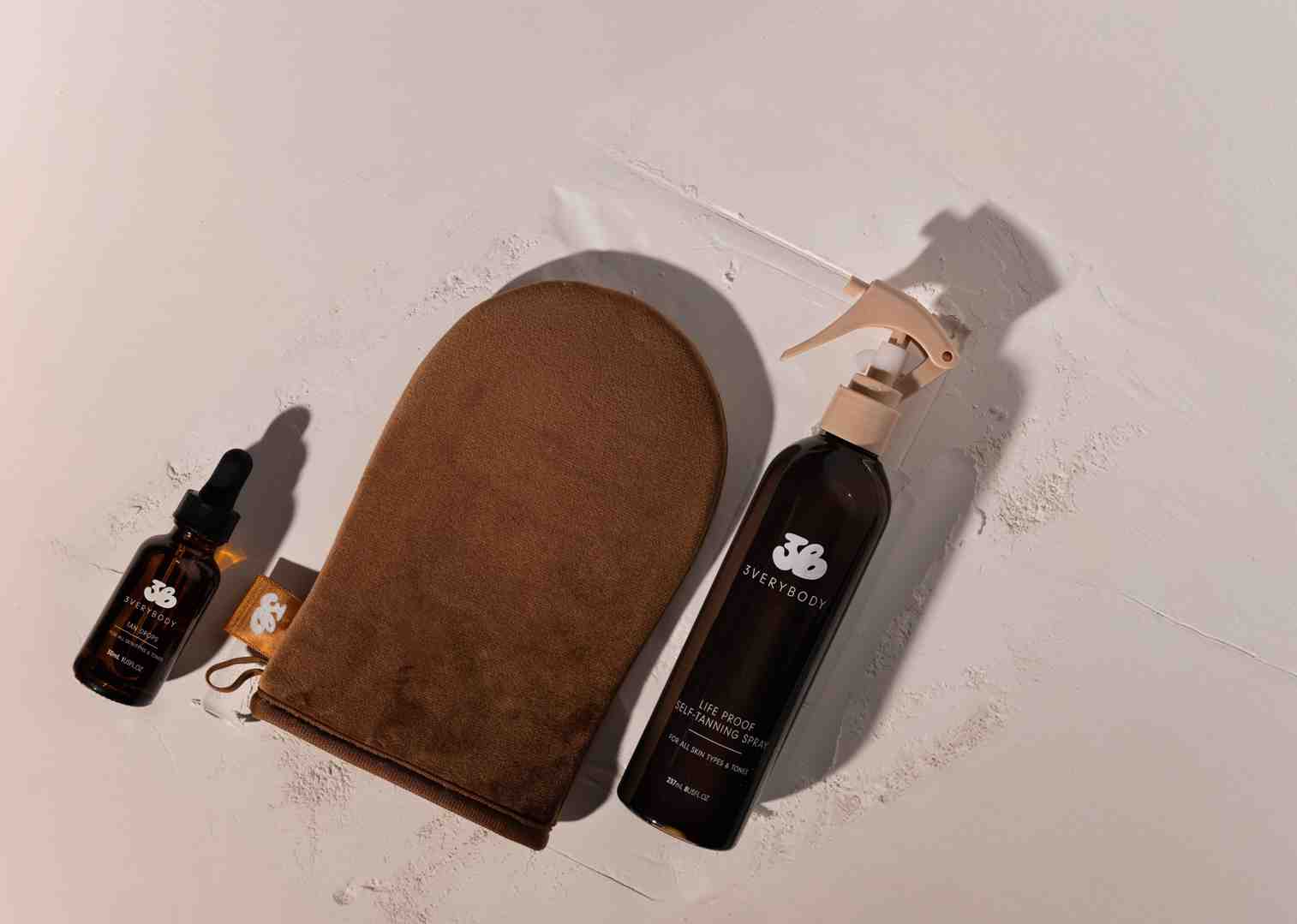
Maintaining a believable, year-round warmth during cold weather does not require daily tanning or complicated routines. Here are five practical methods that protect your skin barrier while sustaining an even, natural-looking finish.
Method 1: Build Customizable Color with Hydrating Tanning Drops
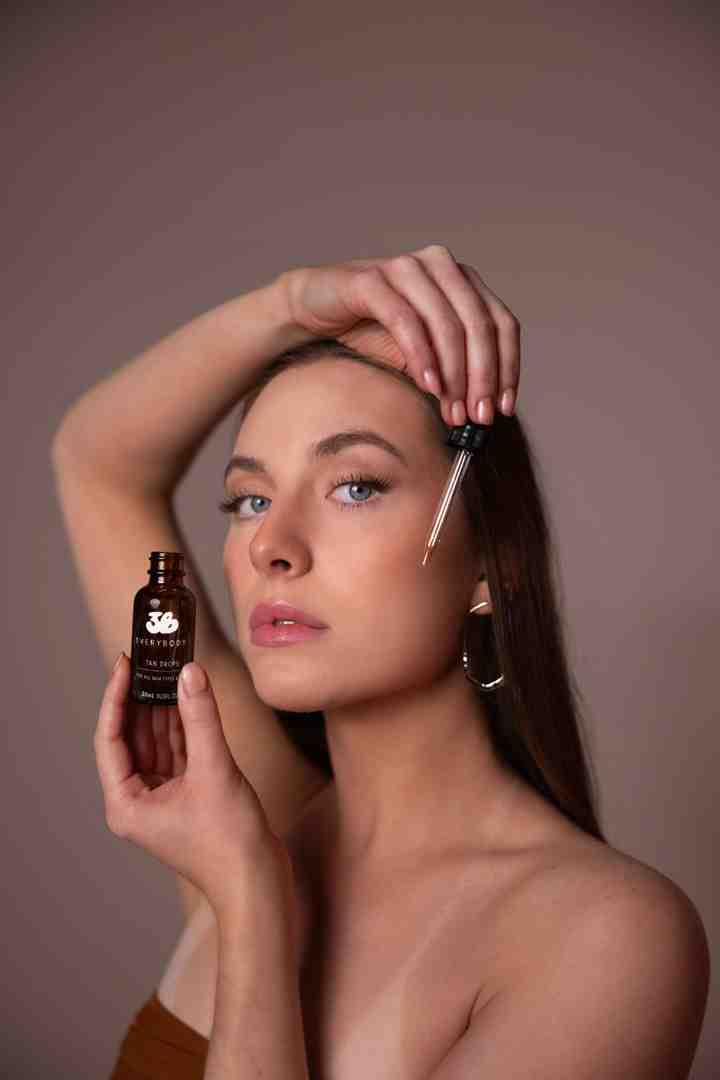
For everyday maintenance—especially on the face and neck—concentrated facial drops offer the highest level of control.
Instead of committing to a heavy all-over application, you mix our Tanning Drops directly into your favorite daily moisturizer, facial oil, or night cream.
Formulated with nourishing rosehip oil and cucumber extract, our Tanning Drops are lightweight, quick-drying, 100% vegan, and free from parabens, palm oil, and sulfates.
Using a dedicated gradual tanner for face routine lets you adapt your color from day to day. Reapplying 2 to 3 times per week maintains an even tone that seamlessly matches your body.
Method 2: Apply a Lightweight, Transfer-Resistant Tinted Tanning Water
If you want an all-over bronzed look without the heaviness of traditional formulas, water-based self-tanners are the ideal cool-weather choice.
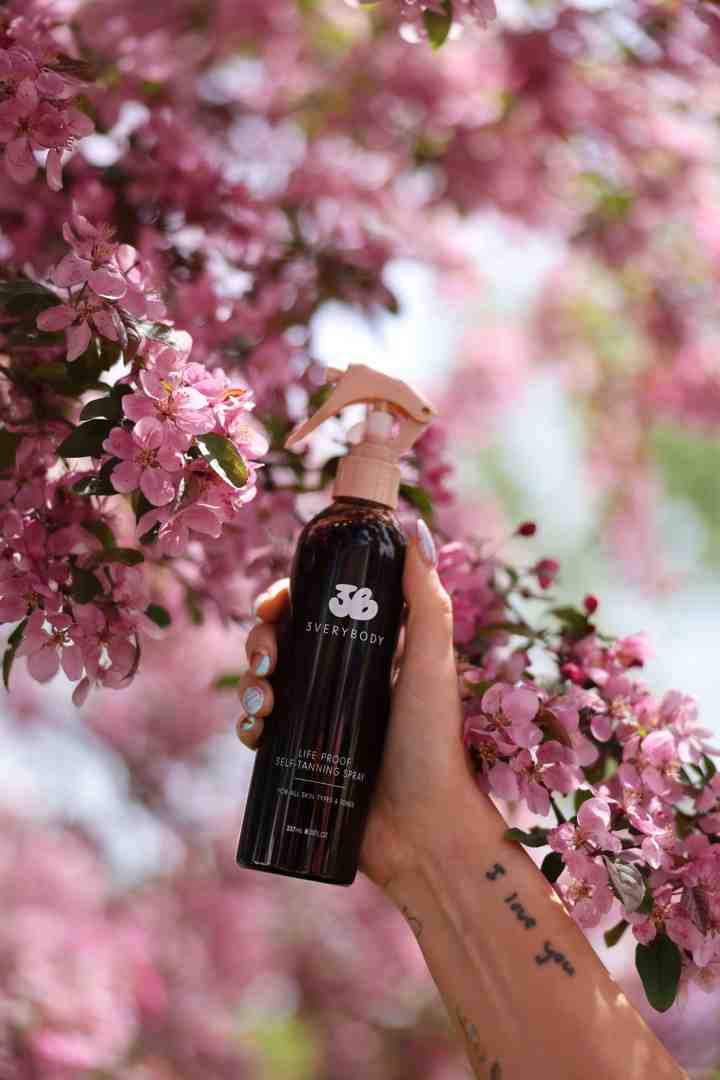
We intentionally created our Life Proof Tan as a tinted tanning water rather than a heavy mousse because a thinner, water-light layer blends cleaner, dries faster, and looks natural from very fair to deep skin tones.
Infused with argan oil, cucumber oil, caffeine, and guarana extract, Life Proof Tan provides a hydrating feel that is vegan, cruelty-free, and paraben-free. It is quick-drying—becoming touch-dry in a few minutes—and offers sweat-resistant and transfer-resistant wear designed to protect your winter sweaters, coats, and bed sheets while the color develops.
For smooth, controlled blending, apply it using The Mitt—our double-sided, washable applicator that ensures even application without stained palms. You can explore our full step-by-step breakdown on how to achieve a natural-looking tan without the sun to dial in your application technique.
Method 3: Use Consistent Barrier Care Between Applications
The secret to a long-lasting tan in winter is what you do between tanning days. Parched skin sheds quickly, taking your color with it.
- Lock In Moisture: Apply a rich body lotion twice daily, paying special attention to friction points like your shins, waistline, and wrists.
- Target Joint Buildup: Knees, elbows, and ankles tend to dry out first, leading to patchy fade-down. Smoothing a light layer of barrier cream over these spots keeps color looking uniform.
- Support Your Acid Mantle: Keeping your skin barrier strong helps your sunless color last about a week with proper care.
Method 4: Use Warm Styling to Complement Your Tan
You do not always need more self-tanning active to bring warmth to your complexion. Adjusting your wardrobe and cosmetics subtly enhances your undertones:
- Warm Knitwear Tones: Rich creams, warm camel, terracotta, and soft olive tones bring out golden undertones in your skin far better than stark cool whites or ash grays.
- Cream-Based Cosmetics: Swap drying powder bronzers for hydrating cream formulas on the high points of your face—the cheekbones, bridge of the nose, and forehead.
- Soft Lighting: In winter, opt for warm-temperature lighting at home to prevent skin from appearing washed out.
Method 5: Leverage Safe Winter UV Exposure with Consistent Sunscreen
Natural sunlight decreases significantly in late fall and winter. Across most of the United States—outside of southern Florida and Hawaii—the average winter UV Index hovers at or below 2.
If you spend time outdoors, you can still enjoy the wellness benefits of natural light while maintaining smart skin habits:
- Be Mindful of Reflection: Fresh snow reflects 80% to 90% of UV radiation, doubling your exposure from ground bounce, while UV levels rise about 10% for every 3,300 feet of elevation.
- Short Midday Walks: A quick 10-to-15-minute walk during peak daylight provides fresh air without prolonged UV strain.
- Always Wear Broad-Spectrum SPF 30+: Protecting exposed facial skin prevents photoaging and sun damage that cause uneven, blotchy pigment as color fades.
- Dietary Carotenoids: Snacking on foods rich in beta-carotene—like sweet potatoes, carrots, and dark leafy greens—supports a subtle, healthy warmth from the inside out.
For more seasonal self-tanning advice, explore our blogs and tips or check our application guide.
How Should You Prep and Care for Dry Skin to Prevent a Patchy Winter Tan?
Dry winter skin can absorb self-tanner unpredictably if not properly prepped. Following a simple, barrier-first routine ensures an even finish every time.
Winter-Proof Skin Preparation
- Exfoliate 24 Hours in Advance: Never exfoliate immediately before tanning. Buff your skin gently 24 hours prior using a mild, oil-free scrub or a soft washcloth to clear away loose surface cells without micro-tearing your barrier.
- Shave Ahead of Time: Shave at least 3 hours before application (or the night before) so hair follicles have time to close.
- Protect Anchor Zones: Right before applying your tanner, smooth a light, oil-free lotion over extra-dry spots—elbows, knees, ankles, knuckles, and heels. This prevents dry skin from absorbing excess product.
- Follow Expert Dry-Skin Guidelines: Check out our advice on self-tanning for dry skin for tailored techniques if you struggle with eczema or severe seasonal flaking.
Cold-Weather Tan Aftercare Habits
- Lower the Water Temperature: Steaming hot showers strip essential lipids and speed up skin peeling. Stick to short, lukewarm showers.
- Use Gentle, Sulfate-Free Cleansers: Switch to mild cream- or oil-based body washes that cleanse without stripping moisture.
- Pat Dry, Don't Rub: Rubbing aggressively with a coarse towel acts as accidental exfoliation. Gently pat skin dry.
- Moisturize on Damp Skin: Apply body lotion within three minutes of stepping out of the shower to trap surface hydration.
- Wear Loose Layers Post-Tan: For more aftercare tips, learn how to make your self-tan last longer so friction from tight clothing does not disrupt your developing color.
What Are the Differences Between Sunless Tanners and Natural Winter Sunlight?
When deciding how to keep your color in the cooler months, it helps to understand how sunless tanners compare to natural winter sun exposure:
| Feature | Sunless Self-Tanners (DHA-Based) | Natural Winter Sunlight |
|---|---|---|
| UV Exposure & Safety | 100% UV-free; helps avoid UV-induced sun damage and photoaging | Low ambient UV, but elevated risk via snow reflection |
| Skin Hydration Impact | Formulas with oils and humectants support hydration | Cold air and UV exposure dry out the skin barrier |
| Color Control | Highly customizable; build from subtle glow to rich bronze | Unpredictable; difficult to achieve color in low UV index |
| Transfer Risk | Minimal with quick-drying, transfer-resistant water formulas | No topical transfer, but requires exposed skin in freezing temps |
| Maintenance Routine | Reapply 1–2 times weekly at home in minutes | Requires consistent outdoor exposure and sunny conditions |
Dermatologists consistently advise against seeking intentional UV exposure in winter. Concentrated UV rays break down collagen, weaken the moisture barrier, and increase health risks.
Modern water-based self-tanners provide a reliable, skin-kind alternative that delivers a warm, non-orange tone year-round. To build an effortless routine, read our guide to everyday self-tanning and check our blogs and tips hub or our application guide for additional expert walkthroughs.
Frequently Asked Questions About Maintaining a Winter Tan
Can after-sun lotions or rich body balms help extend my winter tan?
Yes. Quality after-sun lotions containing soothing ingredients like aloe vera, shea butter, and glycerin help maintain your sunless tan. They lock in moisture, calm barrier irritation from dry indoor heating, and slow down the rapid desquamation of surface skin cells.
Why does my face lose color faster than the rest of my body during winter?
Facial skin naturally experiences a higher cell turnover rate than the body. It is also washed more frequently and treated with active skincare ingredients like chemical exfoliants (AHAs/BHAs), retinoids, and vitamin C. Mixing a few Tanning Drops into your night cream twice a week keeps your facial tone balanced with your neck and chest.
How can I prevent my winter self-tan from turning orange or streaky?
Unwanted orange tones do not come from the tanning active itself—they happen from overapplication, applying over parched skin, inadequate prep, or picking a shade too dark for your starting tone. In winter, opt for lightweight, buildable formulas that develop over 4 to 6 hours, prep dry areas with a light moisturizer, and apply with a quality mitt for even distribution.
How Can You Keep Your Glow Looking Natural Until Spring?
Maintaining healthy radiance through fall and winter comes down to gentle preparation, dedicated barrier care, and breathable sunless formulas. When you prioritize skin hydration and choose buildable, transfer-resistant products, keeping a subtle, natural-looking warmth through the coldest months becomes second nature.
For a complete, easy routine, The Kit pairs our Life Proof Tan, Tanning Drops, and The Mitt together for salon-quality results right at home.
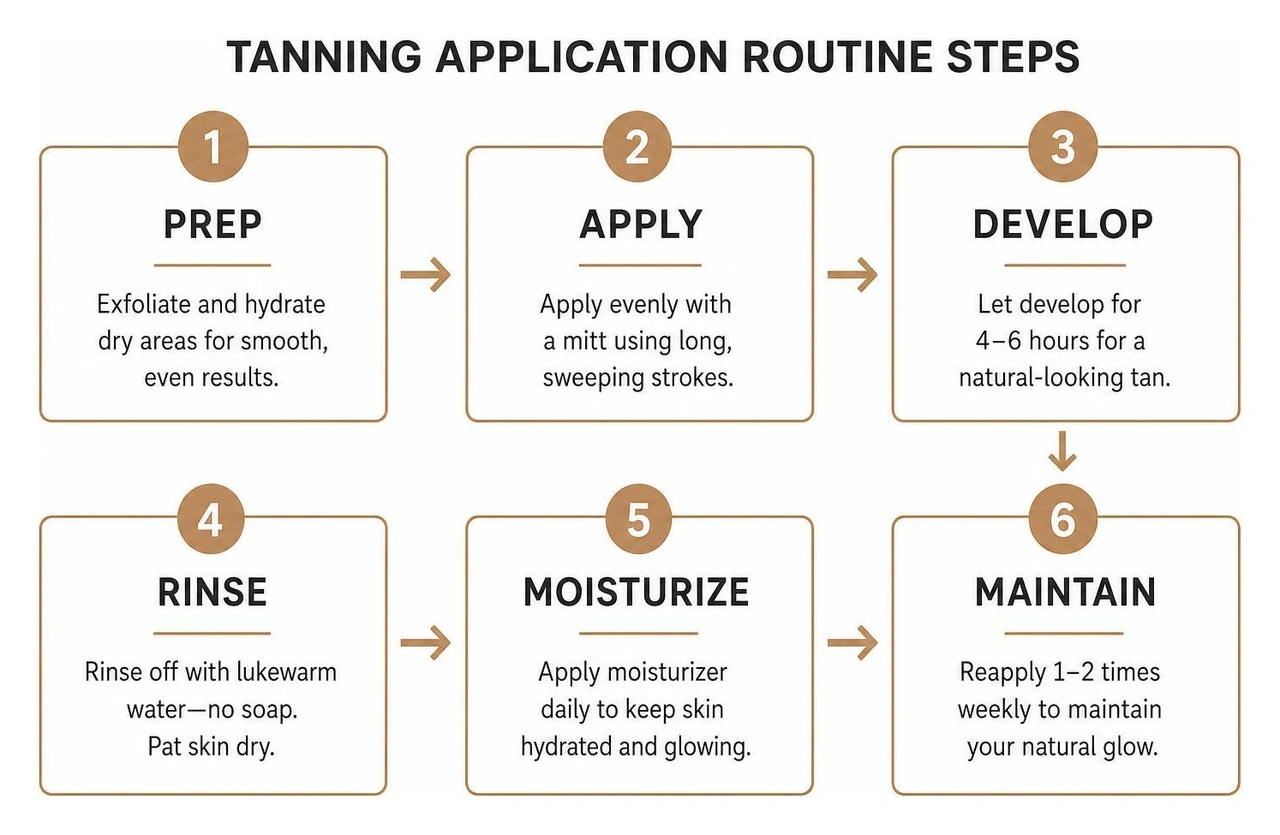
To plan your winter maintenance schedule, take a look at our guide on how long self-tanner lasts so you can keep your skin smooth, hydrated, and radiant straight through to spring.