When Can You Work Out After Self-Tanning?
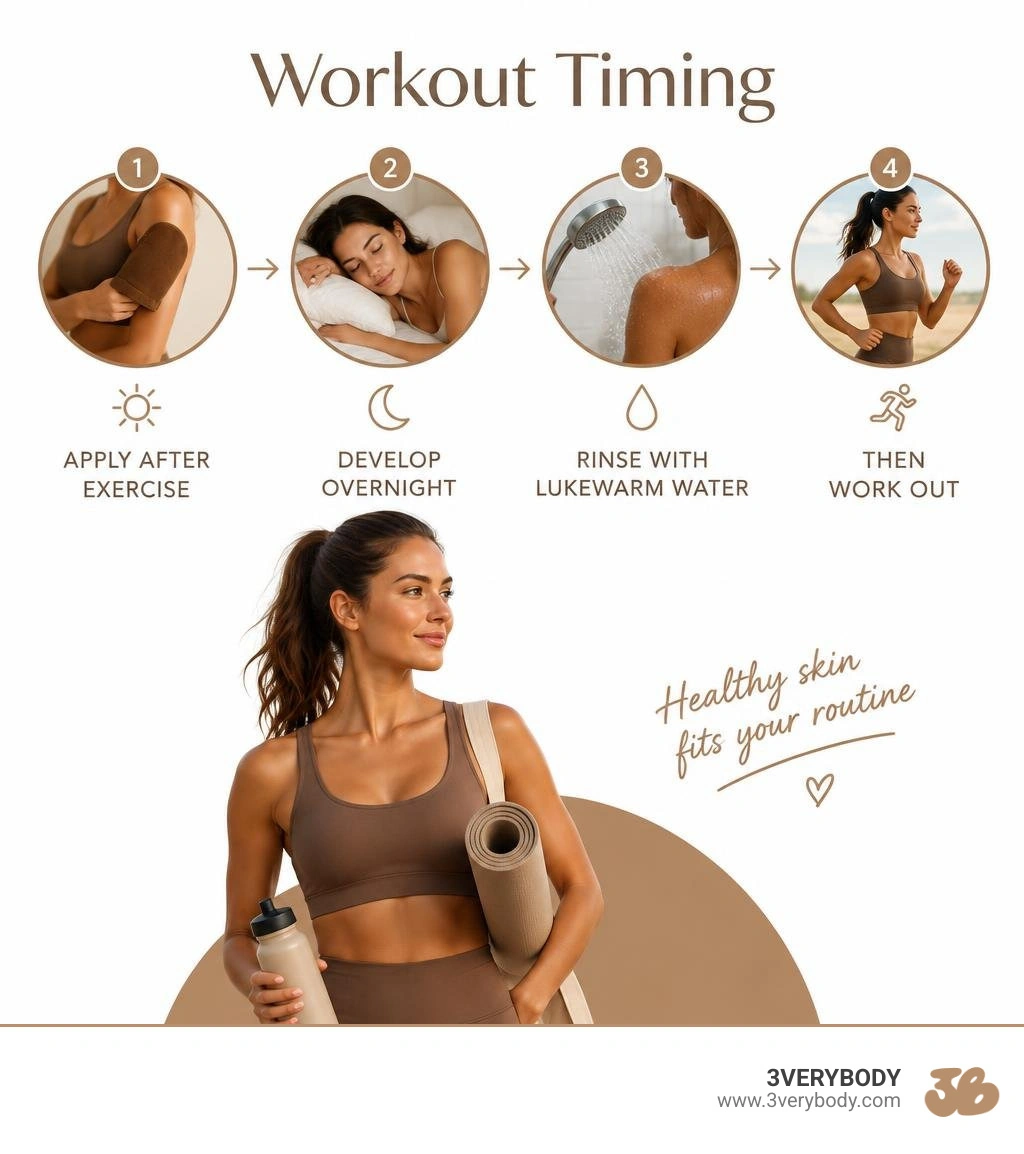
Wait until your self-tan has developed and you’ve taken your first lukewarm rinse before a sweaty workout. If you exercise daily, apply your tan after your last session, leave it on overnight for best results, and rinse before your next workout. Sweat during development can leave streaks or spots on active skin.
Here's how to fit your tan around your training so your color stays smooth and even.
Exactly How Long After Self Tanning Can You Work Out?
The safest rule is simple: never work out while your tan is actively developing. You want the active tanning ingredients to settle into the top layer of your skin without interruption or moisture disturbance. Giving your color time for uninterrupted development creates a balanced, lasting bronze base.
When you apply your tanner, allow it to sit on your skin throughout its full development window. Sleeping in your tan overnight gives you the most even, rich color. Once you wake up, take a quick, lukewarm rinse with water only. Avoid bar soaps, body washes, or rough loofahs during this first shower because they can strip away color before it sets properly into the outer skin cells. After you rinse off the excess guide color and pat yourself dry with a clean towel, you are ready to exercise.
For full details on shower timing, check out our guide on when to shower after fake tan.
How Long After Self Tanning Can You Work Out If You Exercise Daily?
If you train every single day, timing is everything. The ideal strategy is to apply your tanner at night after your last workout and evening shower of the day. If you shave, do it at least 3 hours before you apply.
Make sure your skin is clean, cool, and dry. Avoid applying body lotion immediately before your session, as oils create barriers against color absorption. Apply your product before bed, sleep in loose dark clothing, and take your lukewarm rinse the following morning. This schedule gives the color hours to set to help minimize the risk of sweat breaking up the finish during the day.
How Long After Self-Tanning Can You Work Out in the Morning?
If you prefer to tan during the day or need to hit the gym early the next morning, plan your session around your rinse. Even if you wake up ready for an early run, do not start sweating before you step into the shower.
Rinse off with cool or lukewarm water first to wash away the top layer. Once that initial rinse is done, your tan is set and ready to handle an active workout.
Why Sweating Too Soon Affects Your Color
Sweat is mostly water, salt, and minerals. When your body heats up during physical activity, sweat droplets form on the surface of your skin. If your tan has not finished developing, those droplets create channels through the formula. This leads to water spots, drip lines, and patchy sections across your arms, chest, and back.
Tight gym gear also causes friction. Sports bra bands, tight waistbands, and sneakers rub against damp skin, lifting the product right off high-contact areas. Choosing a sweat-resistant fake tan helps support an even fade once developed, but sweat during the initial hours will almost always disturb your results. Unwanted orange tones happen from overapplication, dry skin, poor prep, or choosing a shade too deep for your starting skin tone rather than the workout itself.
Sunless tanners work on the outermost layer of dead skin cells, which is why friction and heavy moisture during development can easily displace color before it sets properly into outer skin cells. Protecting that outer layer gives you reliable results.
High-Heat Workouts, Saunas, and Swimming
Activities that involve extreme heat or water require extra care. Hot yoga, steam rooms and saunas make you sweat a lot, which can soften your tan before it sets. High humidity combined with heat increases skin friction against apparel.
Pools and oceans present another challenge. Chlorine and saltwater can dry out the skin and speed up natural fading over time. Wait until after your first rinse before taking a dip or booking a heated class. To keep your color intact around water, take a look at our swimmer guide for self tanning.
How to Protect Your Glow at the Gym
Once your tan is fully developed and rinsed, a few small adjustments at the gym will keep your color looking fresh:
- Pat, never rub: Use a soft towel to gently pat away sweat during your workout. Rubbing with a coarse gym towel creates physical exfoliation that rubs color away.
- Wear loose clothing: Swap tight compression tops for breathable, loose-fitting workout clothes to minimize friction along seams.
- Skip harsh scrubs: Avoid rough body scrubs and loofahs after your tan develops, as abrasive physical exfoliation quickly strips color away.
- Rinse after training: Take a quick, cool or lukewarm rinse after working out to wash away sweat and salt.
- Moisturize daily: Hydrated skin holds color longer. Apply a gentle body lotion daily after showering.
| Gym Habit | Why It Protects Your Tan |
|---|---|
| Patting sweat with a soft towel | Prevents abrasive friction on high-contact zones |
| Wearing loose, dark fabrics | Reduces tight seam rub on shoulders and waist |
| Skipping harsh scrubs post-development | Prevents premature exfoliation and patchy fading |
| Rinsing with lukewarm water post-workout | Clears salt and sweat without stripping hydration |
| Daily moisturizing | Supports a smooth, even fade over the week |
Application Technique and Touch-Ups
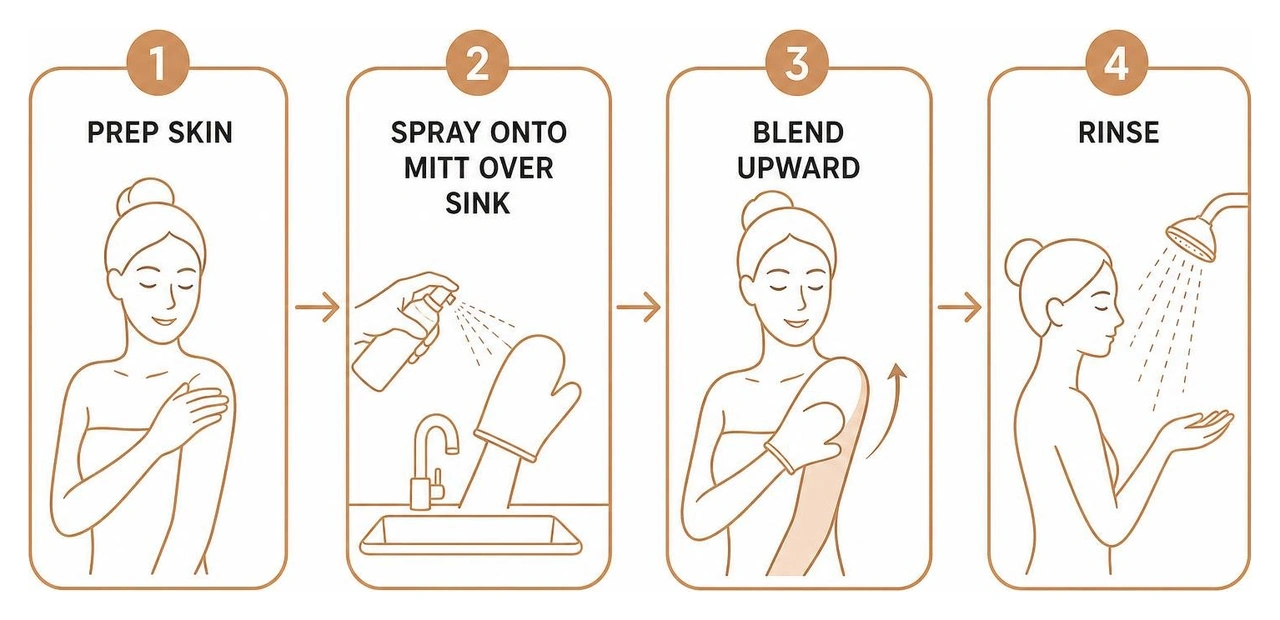
Great results start with proper prep and application. Exfoliate with an oil-free scrub, and if you shave, do it at least 3 hours before tanning. Avoid lotion immediately before applying your tanner. Moisturize the night before or earlier in the day. If needed, use only a very light layer of lotion on dry spots like knees and elbows, and let it sink in fully before tanning.
When applying Life Proof Tan, our sweat-resistant spray, spray it directly onto Tanning Mitt over a sink, never directly onto your skin. The mitt is a plush, double-sided application mitt that is washable and reusable for an even blend. Use circular motions beginning with your legs and working upward. Do your hands and feet last, blending them lightly with the dry side of the mitt. Life Proof Tan is quick-drying, enriched with argan, avocado, rosehip, and jojoba oils plus guarana extract, with no added fragrance, delivering a super dark, natural-looking finish while being vegan, cruelty-free, and free from parabens and sulfates. For face applications, always do a quick spot test first.
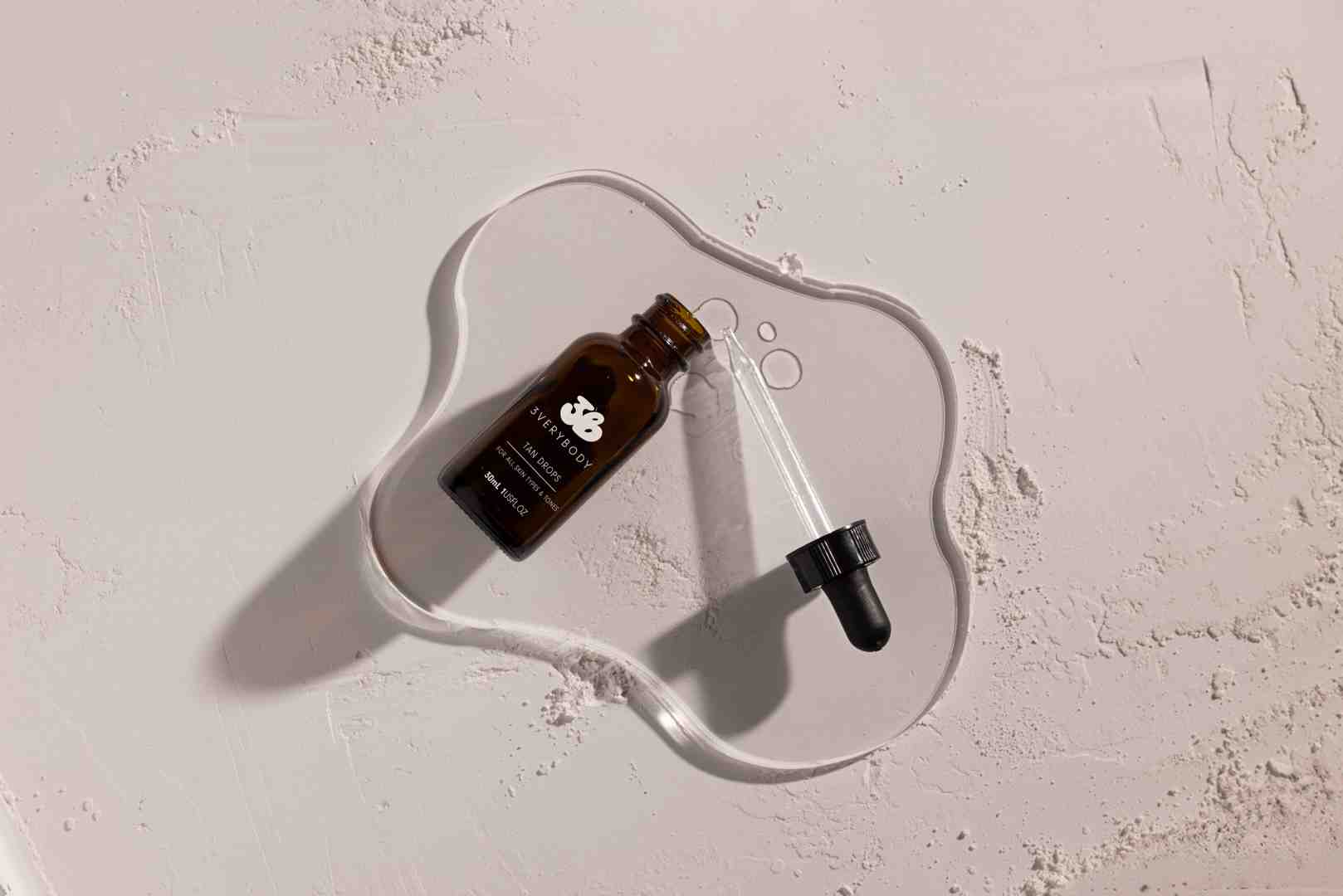
If you want to customize your depth, Tanning Drops come in a one-ounce dropper to mix into your regular moisturizer, serum, or oil so you control how deep your color goes. They are formulated for face and body without parabens, palm oil, or sulfates. If you are starting fresh, 3VERYBODY Kit contains Life Proof Tan, Tanning Drops, Tanning Mitt, and a premium black drying towel to bring everything together for salon-quality results at home.
Right after you apply, wipe a damp Q-tip over light-colored tattoos and dark spots to lift a little tanner. To fix areas that wear down faster from exercise, like inner thighs, hands, or feet, blend a small amount of product over the area to keep your tone balanced. A 3VERYBODY tan lasts about a week with proper care. When it fades, exfoliate and start fresh from square one.
Frequently Asked Questions About Working Out After Tanning
Can you exercise before your first rinse?
No. Exercising before your first rinse will cause sweat to mix with the cosmetic bronzer and active ingredients, leading to streaks, dripping, and uneven patches. Always complete your full development time and rinse with lukewarm water before working out.
What clothing should you wear to the gym?
Choose loose, breathable, dark fabrics made from natural cotton or moisture-wicking blends. Tight sports bras, restrictive compression leggings, and stiff elastic waistbands rub against warm skin when you move. Loose fits reduce friction and help prevent premature fading along your shoulders, underarms, ribcage, and hips.
How do you fix spots that fade first from exercise friction?
High-friction zones like your inner thighs, sports bra lines, and ankles may lighten faster than the rest of your body due to repetitive motion. Gently cleanse the area with mild water, apply a light dab of moisturizer, and use the mitt with a small amount of product to buff the lighter spots back to an even shade. You can also mix a few Tanning Drops into your body cream for subtle spot touch-ups between your weekly full applications.
Conclusion
You never have to choose between a consistent workout routine and a beautiful, natural-looking bronze glow. By giving your color time to develop overnight and taking that first lukewarm rinse before hitting the gym, you help your color stay smooth, balanced, and even through your training sessions.
Using a sweat-resistant formula like Life Proof Tan helps your color hold up through everyday workouts and busy schedules. For more routine advice, maintenance steps, and application guides, explore our more tanning tips and blogs to keep your routine effortless every week of the year.